Composting is a natural process that transforms organic waste into nutrient-rich soil amendments. This practice not only reduces the amount of waste sent to landfills but also enriches garden soil, promoting healthier plant growth. By composting kitchen scraps, yard waste, and other biodegradable materials, gardeners can create a sustainable cycle of nutrients. The process involves layering green materials, such as fruit and vegetable scraps, with brown materials like dried leaves and cardboard. Over time, microorganisms break down these materials, resulting in a dark, crumbly substance known as compost.
Mulching, on the other hand, involves covering the soil surface with organic or inorganic materials to retain moisture, suppress weeds, and regulate soil temperature. Organic mulches, such as wood chips, straw, or grass clippings, decompose over time, adding nutrients back into the soil. In contrast, inorganic mulches like gravel or plastic do not decompose but can still be effective in controlling weeds and conserving moisture. Both practices are integral to sustainable gardening, as they enhance soil health and reduce the need for chemical fertilisers and pesticides.
If you’re looking to enhance your gardening efforts this spring, you might find it beneficial to explore additional resources that delve into sustainable practices. One such article is “10 Eco-Friendly Ways to Prepare Your Garden for Spring,” which offers practical tips for creating a greener garden. For more in-depth guidance on eco-friendly gardening techniques, you can check out this related article on sustainable gardening practices at Eco-Friendly Home and Garden.
Organic Pest Control
Organic pest control encompasses a range of methods aimed at managing pests without the use of synthetic chemicals. This approach prioritises the health of the ecosystem and encourages biodiversity. One common method is the introduction of beneficial insects, such as ladybirds and lacewings, which prey on harmful pests like aphids. Additionally, companion planting can deter pests; for instance, planting marigolds alongside vegetables can repel nematodes and other unwanted insects.
Another effective strategy is the use of natural repellents made from plant extracts or essential oils. These can be sprayed on plants to deter pests while being safe for beneficial insects and the environment. Furthermore, maintaining healthy soil through composting and mulching can strengthen plants’ natural defences against pests. By fostering a balanced ecosystem in the garden, organic pest control not only protects plants but also supports overall biodiversity.
Water Conservation Techniques
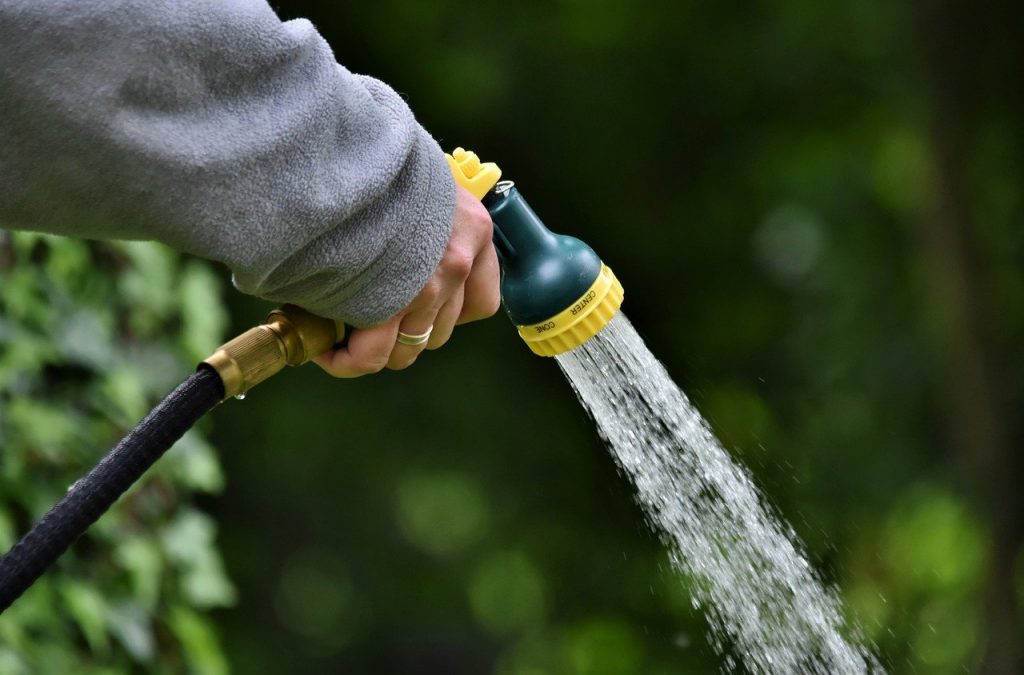
Water conservation is a critical aspect of sustainable gardening, particularly in regions prone to drought. Implementing techniques such as rainwater harvesting can significantly reduce reliance on municipal water supplies. By installing rain barrels or cisterns to collect runoff from roofs, gardeners can store water for irrigation during dry spells. This practice not only conserves water but also reduces stormwater runoff, which can lead to erosion and pollution.
Drip irrigation systems are another effective method for conserving water in the garden. Unlike traditional sprinklers that distribute water evenly across a large area, drip irrigation delivers water directly to the plant roots. This targeted approach minimises evaporation and runoff, ensuring that plants receive the moisture they need without wasting resources. Additionally, mulching around plants helps retain soil moisture by reducing evaporation rates. Together, these techniques contribute to a more sustainable approach to gardening that prioritises efficient water use.
Planting Native Species
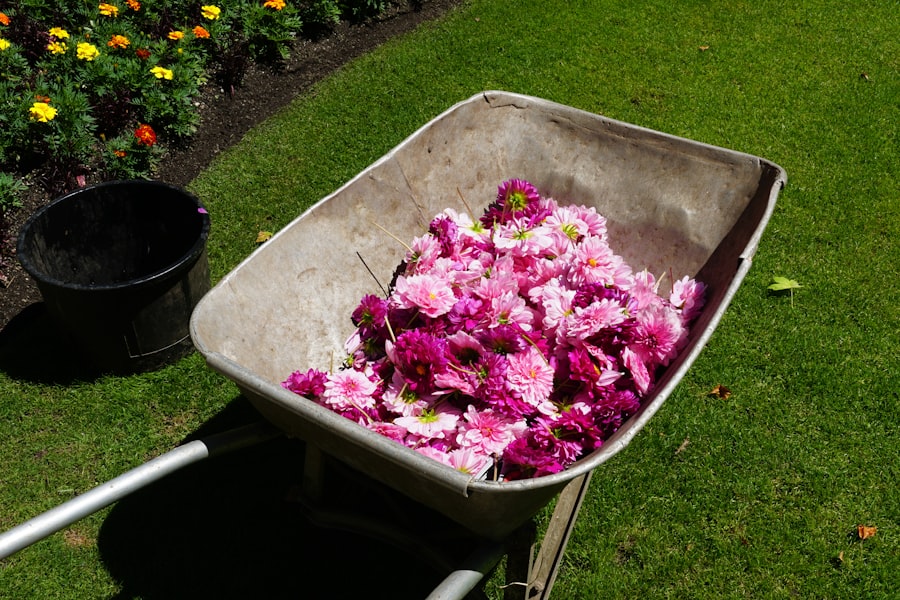
Planting native species is a fundamental practice in sustainable gardening that supports local ecosystems. Native plants are adapted to the local climate and soil conditions, making them more resilient and easier to maintain than non-native varieties. They require less water and fewer chemical inputs, as they have evolved alongside local pests and diseases. By incorporating native species into gardens, gardeners can create habitats that support local wildlife, including pollinators like bees and butterflies.
Moreover, native plants often provide essential food sources for local fauna. For example, many birds rely on native berries for sustenance during migration periods. By choosing to plant native species, gardeners contribute to the preservation of local biodiversity and help combat habitat loss caused by urbanisation and agricultural expansion. This practice not only enhances the aesthetic appeal of gardens but also fosters a deeper connection between people and their local environment.
As you prepare your garden for spring, you might find it beneficial to explore additional sustainable practices that can enhance your eco-friendly efforts. One insightful article that complements the tips on preparing your garden is focused on creating an eco-friendly home, offering easy steps to sustainable living. By integrating these principles into your gardening routine, you can foster a more harmonious relationship with nature. To read more about these sustainable practices, visit this article.
Implementing Sustainable Garden Design
| Eco-Friendly Method | Description | Benefits | Estimated Time to Implement | Materials Needed |
|---|---|---|---|---|
| Composting | Recycle kitchen scraps and garden waste into nutrient-rich compost. | Reduces landfill waste, enriches soil naturally. | Ongoing throughout the season | Compost bin, organic waste |
| Rainwater Harvesting | Collect rainwater to use for watering plants. | Conserves water, reduces water bills. | 1-2 hours to set up | Water butt, guttering |
| Mulching | Apply organic mulch to retain moisture and suppress weeds. | Improves soil health, reduces watering needs. | 1-3 hours | Straw, wood chips, or leaf mould |
| Planting Native Species | Choose plants native to your region for better adaptation. | Supports local wildlife, requires less maintenance. | Varies by plant type | Native seeds or plants |
| Using Organic Fertilisers | Apply natural fertilisers instead of chemical ones. | Promotes healthy soil and plants without toxins. | 30 minutes to 1 hour | Organic fertiliser (e.g., seaweed, manure) |
| Encouraging Pollinators | Plant flowers that attract bees and butterflies. | Enhances pollination, boosts biodiversity. | 1-2 hours | Pollinator-friendly plants |
| Natural Pest Control | Use companion planting and beneficial insects to manage pests. | Reduces chemical pesticide use, protects ecosystem. | Varies | Companion plants, ladybirds, or lacewings |
| Reducing Lawn Area | Replace parts of lawn with wildflower meadows or shrubs. | Conserves water, supports wildlife. | Several hours to days | Wildflower seeds, shrubs |
| Using Recycled Materials | Build garden beds or paths with reclaimed wood or bricks. | Reduces waste, lowers environmental impact. | Varies | Recycled wood, bricks, or stones |
| Water-Efficient Irrigation | Install drip irrigation or soaker hoses to minimise water use. | Conserves water, targets plant roots directly. | 2-4 hours | Drip irrigation kit or soaker hoses |
Sustainable garden design involves creating landscapes that are environmentally friendly and resource-efficient. This approach considers factors such as plant selection, layout, and maintenance practices to minimise environmental impact. One key principle is to design gardens that require minimal inputs while maximising ecological benefits. For instance, incorporating permaculture principles can lead to self-sustaining systems that mimic natural ecosystems.
Another important aspect of sustainable garden design is the use of zoning techniques to optimise space and resources. By grouping plants with similar water and sunlight needs together, gardeners can create microclimates that enhance growth while reducing waste. Additionally, incorporating features such as rain gardens or bioswales can help manage stormwater runoff effectively. These designs not only improve the functionality of gardens but also contribute to broader environmental goals by promoting biodiversity and reducing resource consumption.
Using Recycled and Upcycled Materials
The use of recycled and upcycled materials in gardening is an innovative way to reduce waste while enhancing garden aesthetics and functionality. Many gardeners are now repurposing items such as old pallets, tyres, and containers to create unique planters or garden structures. This practice not only diverts waste from landfills but also encourages creativity in garden design. For example, an old wooden pallet can be transformed into a vertical garden, providing space-saving solutions for small areas.
In addition to aesthetics, using recycled materials can also be cost-effective. Many gardeners find that sourcing materials from local recycling centres or even their own homes can significantly reduce expenses associated with traditional gardening supplies. Furthermore, upcycling promotes a culture of sustainability by encouraging individuals to think critically about consumption patterns and resource use. By integrating recycled materials into their gardens, individuals contribute to a circular economy that values reuse over disposal.
Creating a Wildlife-Friendly Habitat
Creating a wildlife-friendly habitat in gardens is essential for supporting biodiversity and fostering healthy ecosystems. This can be achieved by incorporating features that provide food, shelter, and nesting sites for various species. Planting a diverse range of native plants is one effective way to attract pollinators and other beneficial wildlife. Additionally, providing water sources such as birdbaths or small ponds can further enhance the habitat’s appeal.
Another important aspect is creating shelter through features like brush piles or rock gardens. These structures offer refuge for small mammals and insects while promoting natural pest control by attracting predators. Furthermore, avoiding chemical pesticides and herbicides ensures that wildlife remains safe in the garden environment. By prioritising wildlife-friendly practices, gardeners not only enhance their own outdoor spaces but also contribute to the conservation of local ecosystems.
Adopting Green Lawn Care Practices
Green lawn care practices focus on maintaining healthy lawns while minimising environmental impact. Traditional lawn care often relies heavily on chemical fertilisers and pesticides; however, adopting organic alternatives can lead to healthier soil and grass without harming surrounding ecosystems. For instance, using compost as a natural fertiliser enriches the soil with nutrients while improving its structure.
Additionally, implementing practices such as mowing at higher heights can promote deeper root growth and reduce water needs. This method encourages grass to develop a robust root system that can withstand drought conditions better than shorter-cut lawns. Moreover, aerating the lawn allows for better water infiltration and nutrient absorption, further enhancing overall health without resorting to synthetic inputs. By embracing green lawn care practices, gardeners can maintain attractive outdoor spaces while contributing positively to environmental sustainability.