The jewellery industry has long been scrutinised for its environmental impact and ethical concerns, particularly regarding the sourcing of materials. Eco-friendly jewellery seeks to address these issues by utilising sustainable practices and materials. This includes the use of recycled metals, ethically sourced gemstones, and lab-created diamonds, which significantly reduce the ecological footprint associated with traditional mining practices. By choosing eco-friendly jewellery, consumers can support artisans and brands that prioritise environmental stewardship and social responsibility.
In addition to the materials used, eco-friendly jewellery often incorporates innovative designs that reflect a commitment to sustainability. Many designers are now creating pieces that are not only aesthetically pleasing but also tell a story about their origins and the processes involved in their creation. This transparency allows consumers to make informed choices and fosters a deeper connection between the wearer and the piece. As awareness of environmental issues grows, eco-friendly jewellery is becoming increasingly popular, appealing to those who wish to express their values through their fashion choices.
Organic Chocolate and Wine
Organic chocolate and wine have gained popularity as consumers become more conscious of the ingredients and production methods behind their favourite indulgences. Organic chocolate is made from cocoa beans that are grown without the use of synthetic pesticides or fertilisers, promoting biodiversity and healthier ecosystems. This approach not only benefits the environment but also enhances the flavour profile of the chocolate, as organic farming practices often lead to richer, more complex tastes. Many brands also focus on fair trade practices, ensuring that farmers receive a fair wage for their labour.
Similarly, organic wine is produced from grapes cultivated without harmful chemicals, allowing for a more natural fermentation process. The absence of synthetic additives in organic wines often results in a purer taste that reflects the terroir of the vineyard. As consumers seek out healthier and more sustainable options, organic chocolate and wine have emerged as appealing choices for those looking to indulge responsibly. These products not only satisfy cravings but also align with a growing desire for ethical consumption.
Sustainable Flower Bouquets

Sustainable flower bouquets are an increasingly popular choice for those looking to celebrate special occasions while minimising their environmental impact. Traditional flower farming often involves the use of harmful pesticides and extensive water resources, leading to significant ecological damage. In contrast, sustainable floristry focuses on sourcing flowers from local growers who employ eco-friendly practices, such as organic farming and permaculture techniques. This not only reduces the carbon footprint associated with transportation but also supports local economies.
Moreover, sustainable flower bouquets often incorporate seasonal blooms, which are more readily available and require fewer resources to cultivate. By choosing seasonal flowers, consumers can enjoy arrangements that are not only beautiful but also environmentally responsible. Additionally, many florists are now offering options for biodegradable packaging and compostable materials, further reducing waste. As awareness of environmental issues continues to grow, sustainable flower bouquets provide a meaningful way to celebrate life’s moments while honouring the planet.
Ethical Clothing and Accessories

The fashion industry is one of the largest contributors to environmental degradation and social injustice worldwide. Ethical clothing and accessories aim to counteract these issues by prioritising fair labour practices, sustainable materials, and environmentally friendly production methods. Brands that focus on ethical fashion often ensure that workers are paid fair wages and work in safe conditions, addressing the exploitation that is prevalent in many garment factories.
In addition to ethical labour practices, many brands are now turning to sustainable materials such as organic cotton, Tencel, and recycled fabrics. These materials not only reduce the environmental impact of clothing production but also offer consumers high-quality alternatives to conventional textiles. The rise of ethical clothing has led to a growing market for second-hand and vintage items, promoting a circular economy that extends the life cycle of garments. By choosing ethical clothing and accessories, consumers can make a positive impact on both people and the planet while expressing their personal style.
For those looking to celebrate a Sustainable Valentine’s Day, exploring ethical gift ideas can enhance the occasion while being mindful of the environment. One insightful article that delves into the principles of sustainability and eco-friendliness is available at this link. It provides a comprehensive understanding of what it means to be eco-conscious, which can inspire couples to choose gifts that not only express their love but also contribute positively to the planet.
Zero Waste Home Goods
| Gift Idea | Material | Eco-Friendly Aspect | Estimated Carbon Footprint (kg CO₂e) | Reusability |
|---|---|---|---|---|
| Organic Cotton Clothing | Organic Cotton | Biodegradable, pesticide-free farming | 5 | High |
| Fair Trade Chocolate | Cocoa, Sugar | Supports ethical farming, reduced child labour | 3 | Low |
| Reusable Beeswax Wraps | Beeswax, Cotton | Reduces plastic waste | 1 | High |
| Plant a Tree in Their Name | Tree Sapling | Carbon sequestration | -20 | Very High |
| Upcycled Jewellery | Recycled Metals | Reduces mining impact | 2 | High |
| Eco-Friendly Scented Candles | Soy Wax, Essential Oils | Biodegradable, non-toxic | 1.5 | Medium |
| Zero Waste Beauty Products | Natural Ingredients | Plastic-free packaging | 1 | Medium |
| Handmade Pottery | Clay | Locally sourced materials | 4 | High |
| Organic Herb Garden Kit | Seeds, Soil | Promotes home-grown food | 0.5 | Very High |
| Solar-Powered Charger | Solar Cells, Plastic | Renewable energy use | 6 | High |
| Second-Hand Books | Paper | Reduces demand for new paper | 0.2 | High |
| Natural Fibre Throw Blanket | Wool, Cotton | Biodegradable, sustainable fibres | 4 | High |
| Eco-Friendly Wine | Grapes | Organic farming, sustainable packaging | 3.5 | Low |
| Reusable Coffee Cup | Bamboo, Silicone | Reduces single-use waste | 2 | Very High |
| Charity Donation in Their Name | N/A | Supports environmental causes | 0 | N/A |
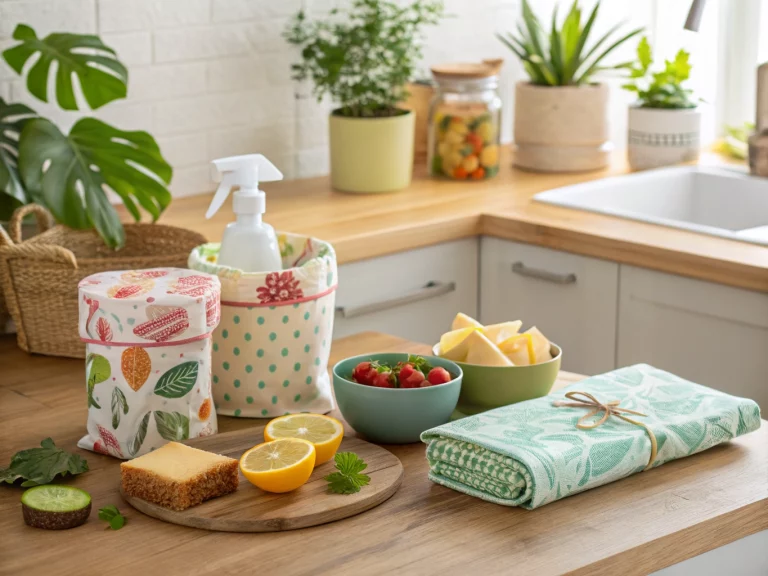
The zero waste movement has gained traction as individuals seek to reduce their environmental footprint and minimise waste in their daily lives. Zero waste home goods encompass a range of products designed to eliminate single-use items and promote sustainability within households. These products include reusable bags, beeswax wraps, stainless steel containers, and compostable cleaning supplies. By opting for zero waste alternatives, consumers can significantly reduce their reliance on disposable items that contribute to landfill waste.
In addition to practical items, zero waste home goods often emphasise durability and longevity. Many brands focus on creating high-quality products that are designed to last, reducing the need for frequent replacements. This approach not only benefits the environment but also encourages consumers to adopt a more mindful attitude towards consumption. As awareness of waste issues continues to grow, zero waste home goods offer practical solutions for those looking to live more sustainably while maintaining a functional and aesthetically pleasing home.
If you’re looking for ways to celebrate love while being mindful of the planet, consider exploring the article on Sustainable Valentine’s Day: 15 Ethical Gift Ideas for Eco-Conscious Couples. This piece offers a variety of thoughtful suggestions that not only express affection but also align with eco-friendly values. For more insights on sustainable living, you can check out the work of Andy, who shares valuable tips and ideas on creating a greener lifestyle. To read more, visit Andy’s articles.
Eco-Conscious Experiences
Eco-conscious experiences provide an opportunity for individuals to engage with nature while supporting sustainable practices. These experiences can range from eco-tourism adventures to workshops focused on environmental conservation. For instance, many travel companies now offer eco-friendly tours that prioritise local communities and minimise environmental impact. Activities such as wildlife conservation volunteering or guided hikes in protected areas allow participants to connect with nature while contributing positively to the environment.
In addition to travel experiences, eco-conscious workshops offer hands-on opportunities for individuals to learn about sustainability practices. These may include classes on organic gardening, upcycling crafts, or cooking with local ingredients. By participating in these experiences, individuals can gain valuable skills while fostering a deeper understanding of environmental issues. Eco-conscious experiences not only provide enjoyment but also empower individuals to make informed choices in their everyday lives.
DIY and Upcycled Gifts
DIY and upcycled gifts have become increasingly popular as people seek unique and personalised presents while minimising waste. Creating gifts from scratch allows individuals to infuse their personality into each item, making them more meaningful for the recipient. Whether it’s handmade candles, knitted scarves, or custom artwork, DIY gifts showcase creativity and thoughtfulness that store-bought items often lack.
Upcycling is another effective way to create gifts while reducing waste. This practice involves repurposing old or discarded items into new products, giving them a second life rather than contributing to landfill waste. For example, glass jars can be transformed into decorative storage containers or old clothing can be turned into tote bags or quilts. Upcycled gifts not only demonstrate resourcefulness but also promote sustainability by encouraging others to rethink their consumption habits. Both DIY and upcycled gifts offer an opportunity for individuals to express their creativity while making environmentally conscious choices.
Charitable Donations in Your Partner’s Name
Making charitable donations in a partner’s name is a thoughtful way to celebrate special occasions while supporting causes that matter to them. This gesture not only reflects an understanding of your partner’s values but also contributes positively to society by providing financial support to organisations working towards various social or environmental goals. Whether it’s a donation to a wildlife conservation group or a local food bank, this act of kindness can have a lasting impact.
In addition to traditional donations, many organisations now offer options for sponsoring specific projects or initiatives in someone’s name. This allows donors to see the tangible results of their contributions while honouring their loved ones’ passions. Charitable donations can foster a sense of community and shared purpose between partners, reinforcing bonds through shared values and commitments to making a difference in the world. By choosing this route for gift-giving, individuals can create meaningful connections that extend beyond material possessions.