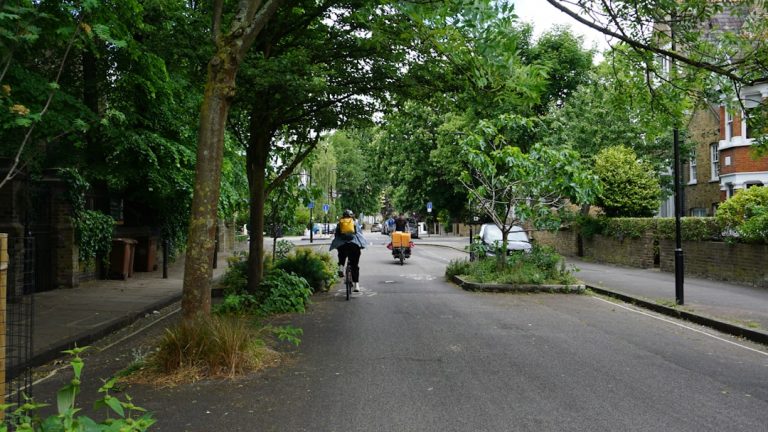
Living a more eco-friendly life really boils down to making conscious choices that reduce your impact on the planet. It’s not about perfection, but about progress – taking steps, big or small, to tread a little lighter each day. Think of it as a journey of continuous improvement, where every decision, from your shopping habits to your energy use, contributes to a healthier environment for us all. It’s about being practical, understanding what works for you, and steadily building more sustainable routines.
One of the most impactful ways to be eco-friendly is to simply consume less. Before you buy anything new, ask yourself if you truly need it. This isn’t about deprivation, but about intentionality.
The Power of “No”
Learning to say no to impulse purchases or things you’ll only use once or twice is a game-changer. Often, the urge to buy is fleeting. Give yourself a 24-hour rule before making non-essential purchases to see if you still feel the same. This can save you money and reduce waste significantly.
Invest in Quality, Not Quantity
When you do need to buy something, prioritise items that are built to last. Cheaper, disposable goods might seem appealing initially, but they often end up in landfills sooner, costing you more in the long run and contributing to a cycle of waste. Think about the lifecycle of a product before you commit.
Repair, Don’t Replace
Before tossing something broken, consider if it can be repaired. From mendable clothing to fixing appliances, a quick search online for tutorials or a visit to a local repair shop can often save items from an early grave. It’s a skill worth cultivating and can be surprisingly satisfying.
Borrow, Don’t Buy
For items you only use occasionally, like specialist tools or party decorations, see if you can borrow from friends, family, or community groups. Local libraries and community centres are also increasingly offering ‘libraries of things’ where you can borrow all sorts of useful items, reducing the need for individual ownership.
Second-Hand is First-Class
The world of second-hand goods is vast and varied. Op shops, vintage stores, online marketplaces, and boot sales are treasure troves of perfectly good items – from clothing and furniture to books and electronics. Buying pre-loved not only saves resources by extending a product’s life but often saves you a bob or two as well.
For those interested in enhancing their eco-friendly lifestyle, the article on efficient green roofing installation for sustainable buildings provides valuable insights into creating a more sustainable home. By incorporating green roofs, homeowners can significantly improve energy efficiency and promote biodiversity. To explore this topic further, you can read the full article here: Efficient Green Roofing Installation for Sustainable Buildings.
Master Your Meals: Food for Thought
Our dietary choices and how we manage food have a significant environmental footprint. Making mindful decisions around food can reduce waste, support local economies, and lower your carbon impact.
Embrace Seasonal & Local Produce
Eating food that’s in season and grown locally reduces the energy required for transportation and storage. It also often tastes better and supports local farmers. Get to know what’s in season in the UK by checking out local market stalls or signing up for a veg box scheme.
Reduce Food Waste
This is a big one. Globally, a huge amount of food is wasted, which is a tragedy considering the resources that went into producing it. Meal planning can be a powerful tool here. Only buy what you need, use up leftovers creatively, and understand best-before vs. use-by dates.
Composting for the Win
If you have a garden, or even a small balcony, consider composting your food scraps. It turns kitchen waste into nutrient-rich soil, reducing landfill burden and enriching your garden naturally. There are various types of composters, from traditional bins to worm farms, to suit different spaces.
Mind Your Meat Consumption
Reducing your intake of meat, particularly red meat, can significantly lower your carbon footprint. Livestock farming is resource-intensive. You don’t have to go fully vegetarian or vegan overnight, but incorporating more plant-based meals into your week is a great step. Explore new recipes and enjoy the culinary adventure.
Grow Your Own
Even a small herb pot on a windowsill or a few tomato plants in grow bags can make a difference. Growing your own food reduces packaging, transport, and gives you fresh, organic produce right at your fingertips. It’s also incredibly rewarding and a great way to reconnect with nature.
Tame Your Tech & Energy Habits

Our modern lives are intrinsically linked to technology and electricity, both of which have environmental implications. Small adjustments to how we use and manage these can add up to substantial benefits.
Unplug ‘Vampire’ Devices
Many electronics, even when turned off, still draw a small amount of power – this is known as “phantom load” or “vampire drain.” Unplugging chargers and appliances when not in use, or using smart power strips, can save a surprising amount of electricity over time.
Embrace Energy Efficiency
When buying new appliances, look for high energy efficiency ratings (the A+++ symbols on labels). These might have a slightly higher upfront cost, but they’ll save you money on your electricity bills in the long run and use fewer resources.
LED Lighting Throughout
If you haven’t already, switch all your light bulbs to LEDs. They use significantly less energy than traditional incandescent or even CFL bulbs and last much longer. While the initial investment is more, the savings on electricity and replacement costs are substantial.
Smart Thermostat Savings
Consider investing in a smart thermostat. These devices learn your routines, allow you to control heating from your phone, and can optimise energy use, often resulting in lower heating bills and reduced energy consumption. They’re particularly useful for avoiding heating an empty house.
Extend Device Lifespan
Instead of upgrading your smartphone, laptop, or tablet every year, try to make them last longer. Keep them charged properly, protect them with cases, and consider professional repairs if something goes wrong. E-waste is a growing problem, and extending the life of your gadgets helps combat this. When it’s finally time to let an old device go, make sure to recycle it responsibly through designated e-waste programs.
Go Green with Your Getaways and Transport

How we travel has a huge impact on our carbon footprint. Making conscious choices about our journeys, both daily commutes and holiday adventures, can lead to significant environmental savings.
Prioritise Active Travel
For shorter distances, walking or cycling are fantastic options. They’re zero-emission, great for your health, and often quicker than driving in congested areas. If safety is a concern, look for dedicated cycle paths or quieter routes.
Embrace Public Transport
For longer commutes or city travel, public transport like buses, trains, and trams are generally much more energy-efficient per person than individual cars. Get to know your local public transport network and see how you can integrate it into your routine.
Consider Car Sharing and Carpooling
If driving is unavoidable, explore car-sharing schemes or carpooling with colleagues or friends. Reducing the number of single-occupancy vehicles on the road lessens traffic congestion, lowers emissions, and can save on fuel costs.
Mindful Flying
Air travel is a significant contributor to carbon emissions. For holidays, consider options closer to home that can be reached by train or coach. If flying is necessary, try to fly direct to reduce fuel consumption from multiple take-offs and landings, and consider offsetting your carbon footprint through reputable schemes, though it’s important to understand this isn’t a perfect solution.
Electric and Hybrid Vehicles
If you’re in the market for a new car, consider an electric vehicle (EV) or a hybrid. While both have their own environmental considerations related to battery production, they offer significantly lower tailpipe emissions and are becoming increasingly efficient. Research ongoing advancements in battery recycling and ethical sourcing when making your choice.
In the pursuit of a more sustainable lifestyle, exploring energy-efficient solutions is essential for reducing our carbon footprint. One particularly insightful article discusses the benefits of modern boilers and their role in promoting eco-friendly living. By upgrading to a more efficient system, homeowners can significantly lower their energy consumption while enjoying enhanced comfort. For further information, you can read the article on boilers and discover how these innovations contribute to a greener future.
Embrace the Outdoors and Community
| Category | Metric |
|---|---|
| Energy | Renewable energy usage |
| Transport | Carbon emissions from transportation |
| Waste | Percentage of waste recycled |
| Water | Water usage reduction |
Sustainable living isn’t just about individual consumption; it’s also about fostering a connection with nature and engaging with your community to create broader change.
Connect with Nature Regularly
Spend time outdoors. Whether it’s a walk in a local park, a hike in the countryside, or tending to a garden, connecting with nature reminds us why we’re making these efforts. It instils a deeper appreciation for the environment and often inspires further sustainable actions.
Get Involved Locally
Look for local environmental groups, community gardens, or clean-up initiatives. Participating in these activities not only makes a tangible difference but also connects you with like-minded individuals and strengthens community bonds. Collective action often achieves more than individual efforts alone.
Advocate for Change
Beyond personal actions, speak up and use your voice. Support businesses that demonstrate strong environmental values. Write to your local MP or council about environmental concerns. Vote for policies and politicians who prioritise sustainability. Your voice, combined with others, can drive systemic change.
Educate Yourself and Others
Stay informed about environmental issues and sustainable solutions. Read articles, watch documentaries, and share what you learn with friends and family. A gentle, non-judgmental approach to sharing information can inspire others to make their own steps towards a more eco-friendly lifestyle.
Support Sustainable Businesses
Where possible, choose businesses that are committed to sustainable practices. This might mean opting for companies with ethical supply chains, those that use renewable energy, or those that actively work to reduce their environmental footprint. Your spending power is a powerful tool for encouraging greener business practices. Look for certifications and transparent reporting.
Embracing an eco-friendly life is a journey, not a destination. It’s about being mindful and making continuous, small improvements. Don’t feel overwhelmed by the scale of the challenge; instead, focus on what you can realistically achieve. Every single step, no matter how small, contributes to a healthier planet for us all. Your efforts, combined with those of others, create a ripple effect that genuinely makes a difference.