So, you’re looking to make your living room a bit more planet-friendly? Excellent! The good news is, it’s totally achievable without having to sacrifice comfort or style. In fact, embracing eco-conscious choices often leads to a more unique and inviting space. It’s about making thoughtful decisions, big and small, that benefit both your home and the environment. Think of it as an ongoing journey, not a one-off renovation.
When it comes to furniture, the biggest impact comes from how it’s made and where it comes from. This is where you can make some really substantial eco-friendly gains.
Embrace Second-Hand and Upcycled Pieces
This is hands down one of the most effective ways to be eco-friendly. Buying pre-loved furniture means you’re not contributing to the demand for new production, which often involves resource extraction and manufacturing emissions.
The Thrill of the Hunt
British charity shops, car boot sales, and online marketplaces like Gumtree and Facebook Marketplace are treasure troves. You’d be amazed at the quality and character you can find. A slightly scuffed chest of drawers might just need a fresh coat of paint, or an old armchair could be transformed with new upholstery.
Giving Old Pieces New Life
Upcycling isn’t just a trend; it’s a fantastic way to personalise your space while being sustainable. Paint, fabric, and a bit of creativity can turn a drab piece into a showstopper. Think about what you already have – could that old coffee table be sanded down and re-stained? Could a vintage trunk become a stylish storage solution?
Prioritising Sustainable Materials
If buying new is unavoidable or preferable for certain items, then focusing on the materials used is crucial.
Responsibly Sourced Wood
Look for certifications like the Forest Stewardship Council (FSC) seal. This ensures the wood comes from forests managed in an environmentally and socially responsible way. Fast-growing bamboo is another excellent option, as it’s highly renewable.
Recycled and Reclaimed Materials
Furniture made from recycled plastic, metal, or even reclaimed timber from old buildings can be incredibly stylish and has a significantly lower environmental footprint. Each piece often tells a story too, which adds to the charm.
Durable and Repairable Designs
Flimsy furniture that falls apart after a year isn’t eco-friendly, no matter how sustainably it was initially made. Invest in quality pieces that are built to last and can be repaired if needed.
Built to Endure
Consider solid wood construction over particle board. Well-made metal frames are generally durable. The longer an item stays out of landfill, the better.
The Value of Good Craftsmanship
Supporting local artisans often means getting a higher quality product that’s built with care and an eye for longevity. Plus, you’re supporting your local economy – a double win.
Creating an eco-friendly living room is an essential step towards a more sustainable home, and it can be complemented by incorporating green practices in your garden as well. For those interested in enhancing their outdoor spaces while conserving resources, the article on sustainable gardens offers valuable insights into water conservation in design. You can read more about it here: Creating Sustainable Gardens: Water Conservation in Design. By integrating these principles, you can create a harmonious balance between your indoor and outdoor environments.
Soft Furnishings: Comfort with Conscience
Your sofa, cushions, and curtains play a huge role in the comfort and aesthetic of your living room. Making eco-conscious choices here can significantly reduce your environmental impact.
Choosing Eco-Friendly Fabrics
The textile industry has a big footprint, so opting for sustainable materials is a smart move.
Natural Fibres
Organic cotton, linen (made from flax), and hemp are fantastic choices. They typically require less water and fewer pesticides to grow than conventional cotton. Look for certifications like GOTS (Global Organic Textile Standard) for assurance.
Recycled and Upcycled Textiles
Fabric made from recycled plastic bottles (RPET), or even upcycled denim or wool, is becoming more readily available. This diverts waste from landfill and reduces the demand for virgin materials.
Wool: A British Favourite
British wool is a wonderfully sustainable option. It’s renewable, durable, breathable, and naturally flame-resistant, reducing the need for chemical treatments. Plus, supporting British wool farmers is a great way to boost local industries.
Sustainable Stuffing and Fillings
What’s inside your cushions and sofa matters too.
Natural Fillings
Look for cushions filled with natural latex, kapok, wool, or even recycled cotton. These are generally healthier for your home environment too, as they off-gas fewer volatile organic compounds (VOCs).
Recycled Options
Recycled polyester fibre (often made from plastic bottles) is a common and effective filling for cushions and pillows. While not degradation-free like natural fibres, it diverts waste and is a better alternative to virgin polyester.
Second-Hand and Vintage Textiles
Curtains, rugs, and cushions from charity shops or antique markets can add a unique touch and are incredibly eco-friendly. Sometimes, all they need is a good wash or a bit of repair.
A Unique Aesthetic
Vintage fabrics often have a character and quality that’s hard to replicate. They can add a real story to your room.
Repair and Re-purpose
Don’t dismiss a slightly damaged piece. A small tear can be mended, or a larger piece of fabric could be cut down to make smaller cushions.
Energy Efficiency: Lighting and Beyond
An eco-friendly living room isn’t just about what you buy; it’s also about how you use energy within the space.
Smart Lighting Choices
Lighting can contribute significantly to your energy consumption.
LED Bulbs: The Obvious Choice
If you haven’t already, switch all your bulbs to LEDs. They use dramatically less electricity than traditional incandescent bulbs and last much, much longer, meaning fewer replacements and less waste.
Maximising Natural Light
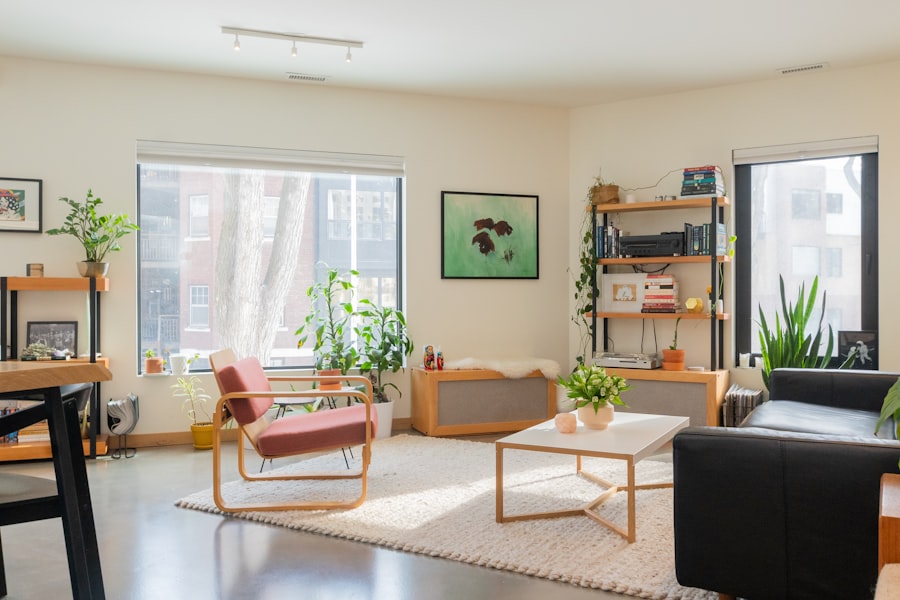
Arrange your furniture to make the most of natural daylight. Keep curtains open during the day and avoid blocking windows with large items. This reduces the need for artificial lighting and can also boost your mood.
Smart Plugs and Energy Management
Even when off, many appliances draw ‘phantom’ power.
Unplug When Not in Use
Get into the habit of unplugging electronics like TVs, sound systems, and chargers when you’re not using them. It might seem small, but it adds up.
Smart Plugs for Simplicity
Smart plugs allow you to switch off multiple devices at once via an app or voice command, making phantom drain a non-issue without the hassle of individually unplugging everything.
Draft Proofing and Insulation
Keeping heat in during winter and out during summer is key to reducing your heating and cooling demands.
Seal Those Gaps
Check around windows and doors for drafts. Simple self-adhesive draft excluders can make a big difference. For older properties, consider secondary glazing.
Thicker Curtains and Blinds
In winter, close thick curtains or thermal blinds at dusk to trap heat in. In summer, keep them closed during the hottest parts of the day to keep the room cooler.
Decor and Accessories: The Finishing Touches
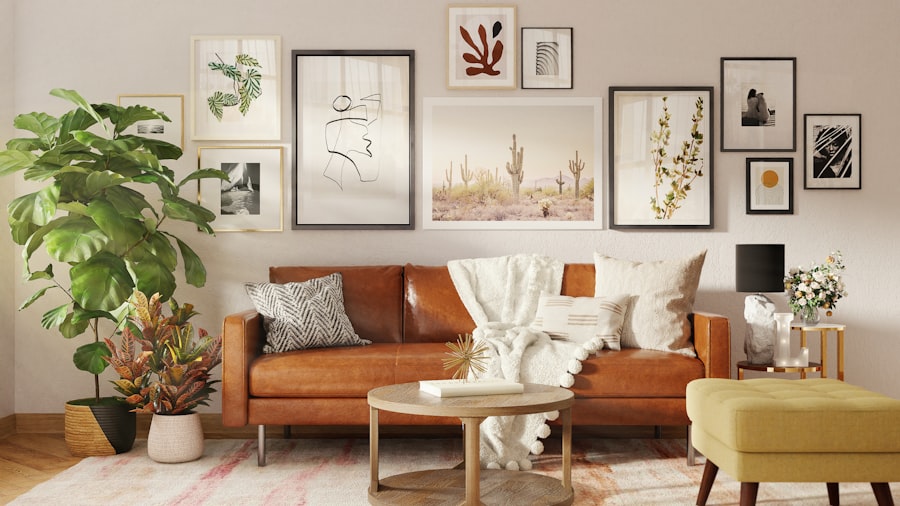
Once you have the big items sorted, it’s time to think about the smaller pieces that truly make a space feel like home. This is another area where you can inject a lot of personality while staying eco-conscious.
Thoughtful Decorative Items
Every item you bring into your home has a story. Make sure that story is a sustainable one.
Locally Made and Handcrafted
Support local artists and craftspeople. Handcrafted items often have a much smaller carbon footprint than mass-produced goods, and they bring a unique, authentic feel to your space. Plus, you’re helping your community thrive.
Vintage and Antique Finds
From ceramic vases to interesting artwork, vintage items add character and history. They’re also an excellent example of circular economy in action – no new resources are used.
Natural Materials
Display items made from sustainably sourced wood, stone, terracotta, or recycled glass. These materials often bring a calming, earthy feel to a room.
Bringing the Outdoors In
Plants aren’t just pretty; they actually improve your indoor air quality by absorbing toxins and releasing oxygen.
Houseplants for Health and Beauty
Choose easy-care varieties if you’re new to plants. Think snake plants, peace lilies, or spider plants – all excellent air purifiers.
Sustainable Planters
Look for planters made from recycled materials, terracotta, or sustainably sourced wood. Or, upcycle old tins or jars into unique decorative pots.
Ethical Artwork and Photography
The art you choose can also reflect your eco-values.
Second-Hand Art
Charity shops and antique markets are great for finding unique paintings and prints. A simple frame change can completely transform a piece.
Digital Art and Prints
Supporting independent artists through digital art purchases or prints on recycled paper can be a sustainable way to decorate your walls. Look for artists who use eco-friendly printing methods.
Creating an eco-friendly living room is just one aspect of sustainable home design, and if you’re looking to expand your green efforts, you might find inspiration in a related article on environmentally friendly gardening. This piece offers valuable insights into how to cultivate a garden that complements your eco-conscious lifestyle. You can read more about it here. By integrating both indoor and outdoor spaces with sustainable practices, you can enhance your home’s overall harmony with nature.
Mindful Maintenance and Cleaning
“`html
| Aspect | Metric |
|---|---|
| Energy-efficient lighting | LED bulbs usage |
| Sustainable furniture | Percentage of furniture made from recycled materials |
| Air quality | Number of indoor plants |
| Recycling | Amount of recycled materials used in decor |
| Water conservation | Usage of water-saving fixtures |
“`
Even after you’ve created your eco-friendly living room, how you maintain it can further enhance its sustainability.
Eco-Friendly Cleaning Products
The chemicals in many conventional cleaning products can be harmful to your health and the environment when they enter waterways.
Natural Alternatives
Bicarbonate of soda, white vinegar, and lemon juice are incredibly effective for many cleaning tasks and are far better for the planet. There are also many excellent eco-friendly brands available now.
Reusable Cleaning Cloths
Swap disposable wipes and paper towels for washable microfibre cloths or old cotton t-shirts. This significantly reduces waste.
Extending the Life of Your Purchases
The most eco-friendly item is often the one you already own and can keep using.
Minor Repairs
Don’t throw away a cushion with a missing button or a small tear. Learning basic sewing skills can save you money and keep items in use for longer.
Regular Care
Follow care instructions for your furniture and fabrics. Regular dusting, vacuuming, and appropriate cleaning will help extend their lifespan.
Considering Air Quality
Beyond plants, there are other ways to ensure your indoor air is healthy and free from pollutants.
Avoid VOCs
Volatile Organic Compounds (VOCs) are often found in paints, varnishes, and even some new furniture. When buying new, look for low-VOC or zero-VOC options.
Ventilation is Key
Even in colder weather, opening windows for short bursts can significantly improve air quality by letting out stale air and potential airborne pollutants.
Creating an eco-friendly living room is a journey, not a destination. It’s about making conscious choices that align with your values, looking for opportunities to reuse and recycle, and investing in pieces that will stand the test of time. It doesn’t mean sacrificing comfort or style; in fact, it often leads to a warmer, more authentic, and ultimately more enjoyable space. Every decision, big or small, contributes to a more sustainable home and a healthier planet. So, take your time, enjoy the process, and build a living room you can truly feel good about.