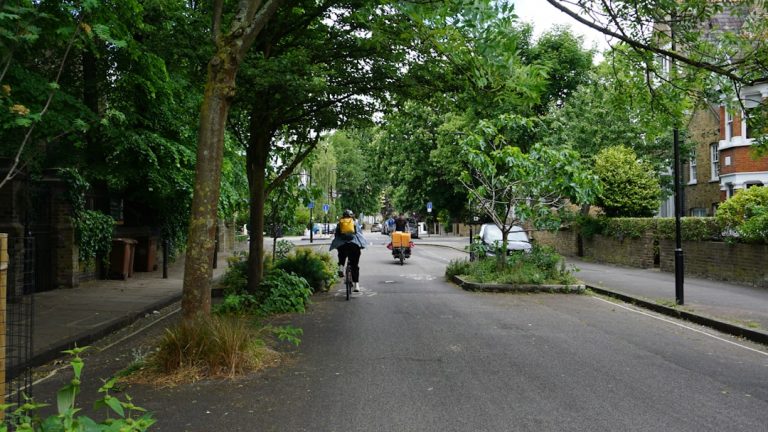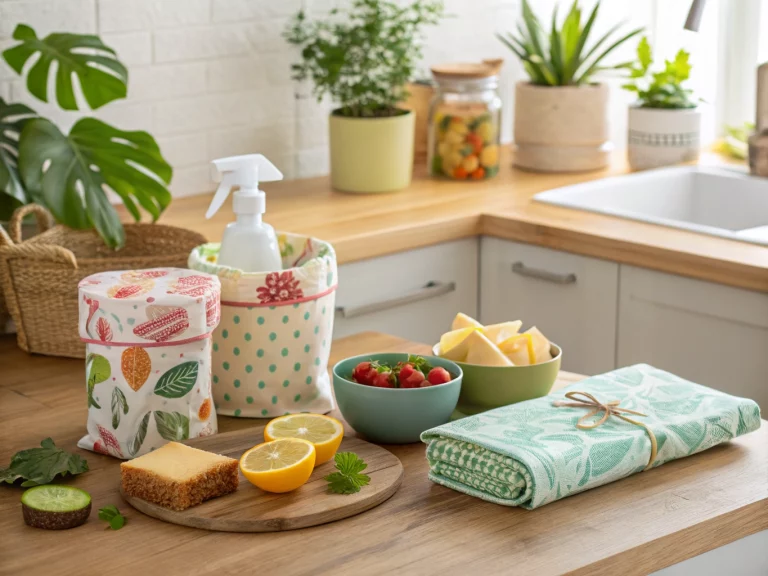
So, you’re thinking about making your home a bit more eco-friendly, British style? Good on you! It’s really not as daunting as it might sound. The good news is, creating a sustainable home here in the UK is about smart choices, not necessarily completely overhauling your life. It’s about understanding what works in our climate and with our existing housing stock, and making practical, sensible changes. Forget the sci-fi eco-domes; we’re talking about genuinely achievable improvements that will not only help the planet but also make your home cosier and your bills a bit lighter.
Let’s dive into what that actually looks like, from the ground up.
Think of your home’s fabric as its protective layer. For us Brits, this often means dealing with older buildings, which can be both a blessing and a curse when it comes to sustainability. While many have character, they can also be prone to losing heat. Getting this right is probably the most impactful thing you can do.
Insulation: The Big One
This is where you’ll see the biggest difference, both in your comfort and your energy bills. When we talk about insulation in the UK, it’s usually with an eye to our damp and often chilly weather.
Loft Insulation: An Easy Win
If your loft isn’t already insulated, or if it’s just a thin layer, this is your absolute priority. It’s relatively inexpensive, especially if you do it yourself with mineral wool rolls. Make sure it’s at least 270mm thick. You’re essentially creating a barrier against heat escaping through the roof – and a lot of heat does try to escape that way. It’s a no-brainer for saving energy.
Wall Insulation: Cavity Walls
Most houses built between the 1920s and the 1980s have cavity walls – that’s a gap between the inner and outer brickwork. Filling this gap with insulation can make a massive difference. It’s usually done by specialist companies who drill small holes and inject insulation (often blown mineral wool or polystyrene beads). It’s a bit more involved than loft insulation, but the payback in terms of reduced heating bills is significant. It’s important to ensure your property is suitable for this and that it’s done by accredited installers to avoid damp issues.
Solid Wall Insulation: Older Homes
For pre-1920s houses, you’re likely to have solid walls, which means the wall is just a single layer of brick. This is more complex to insulate. You can either insulate externally (adding a layer of insulation and a new finish) or internally (adding insulation boards to the inside of your walls). External insulation can change the look of your house, which might not be desirable, and internal insulation means you lose a bit of room space. It’s a bigger job, but for very old, uninsulated properties, it can dramatically improve energy efficiency and comfort.
Draught-Proofing: Small Gaps, Big Impact
You’d be amazed at how much heat escapes through tiny gaps. Think about where draughts come from in your home.
Doors and Windows: The Usual Suspects
The most common culprits are around doors and windows. Weather stripping is your friend here. It’s a flexible material that you can stick around the frames of doors and windows to seal up gaps when they’re closed. It’s cheap, easy to apply, and makes an immediate difference to comfort and heat loss. For sash windows, which are common in older British properties, you can get special draught excluders that fit into the sliding mechanism.
Other Escape Routes: Chimneys and Floorboards
Don’t forget about chimneys. If you have an unused fireplace, a chimney balloon or a chimney sheep can prevent a massive amount of warm air from disappearing up the flue in winter. We often forget about floors too. If you have suspended timber floors, especially downstairs, draughts can come up through the gaps between floorboards. Again, draught-proofing these gaps can help, though it’s a bit more fiddly.
For those looking to enhance their sustainability efforts at home, a particularly insightful article can be found at Eco-Friendly Home and Garden. This resource offers a variety of tips and tricks aimed at reducing your greenhouse carbon footprint, making it easier to adopt environmentally friendly practices in your daily life. By implementing these strategies, you can contribute to a more sustainable future while enjoying the benefits of a greener home.
Heating Systems: Staying Warm Efficiently
How you heat your home is a huge factor in its sustainability. The UK’s heating landscape is a mix of old and new, but there are definitely smarter ways to stay warm.
Boiler Efficiency: The Heart of Your System
If you’ve got a gas boiler, its efficiency is key. Modern condensing boilers are significantly more efficient than older models. They capture heat from the exhaust gases that would otherwise be lost up the flue. If your boiler is getting on a bit (over 15 years old), it’s worth considering an upgrade. While it’s a significant investment, the energy savings over time can offset the cost.
Regular Servicing: Keeping it Ticking Over
Regardless of its age, make sure your boiler is serviced regularly. A well-maintained boiler runs more efficiently and is less likely to break down. It’s a bit like taking your car for its MOT – it keeps things running smoothly and safely.
Low-Carbon Heating Options: The Future
As we move away from fossil fuels, alternative heating systems are becoming more prevalent and, importantly, more accessible.
Heat Pumps: Harnessing Ambient Energy
Heat pumps are gaining traction. They work by extracting heat from the outside air or the ground and transferring it into your home. Air source heat pumps are the most common, absorbing heat from the air even when it’s cold. Ground source heat pumps use pipes buried underground. They use electricity to run, but for every unit of electricity they use, they can produce three to four units of heat, making them very efficient. They can be more expensive to install upfront, but government grants are available to help.
Solar Thermal: Hot Water from the Sun
Solar thermal panels use sunlight to heat water, which then circulates through your home. They’re most effective in the summer months, reducing the amount of energy needed for hot water. They’re a good addition to your existing heating system, rather than a standalone solution in the UK climate, but they definitely contribute to reducing your reliance on other energy sources for your hot water.
Smart Thermostats: Taking Control
One of the simplest yet most effective ways to save energy is to use a smart thermostat. These allow you to control your heating remotely via your phone, and more importantly, they learn your habits and can optimise heating schedules automatically. You can set different temperatures for different times of the day and even when you’re out, ensuring you’re not needlessly heating an empty house. It’s about gaining control and being more mindful of your energy use.
Water Efficiency: Precious Resource Management
Water might seem plentiful in the UK, but treating and pumping it uses a considerable amount of energy and resources. Making sure we don’t waste water is a simple yet effective sustainability step.
Low-Flow Fixtures: Simple Swaps
You can make a big difference with some straightforward swaps. Low-flow showerheads and tap aerators reduce the amount of water used without a noticeable difference in pressure. It’s a little change that adds up.
Fixing Leaks: Don’t Let it Drip Away
A dripping tap might seem trivial, but over time, it wastes a significant amount of water. Get into the habit of checking for leaks and fixing them promptly. It’s easy to forget about that slow drip under the sink or the slightly leaky toilet, but they’re silent energy and water wasters.
Rainwater Harvesting: Nature’s Supply
For those with gardens, setting up a water butt to collect rainwater is a great idea. This harvested water can be used for watering plants, washing cars, or even flushing toilets (with the right setup). It’s a free, sustainable water source that eases the pressure on mains water.
Energy Generation: Empowering Your Home
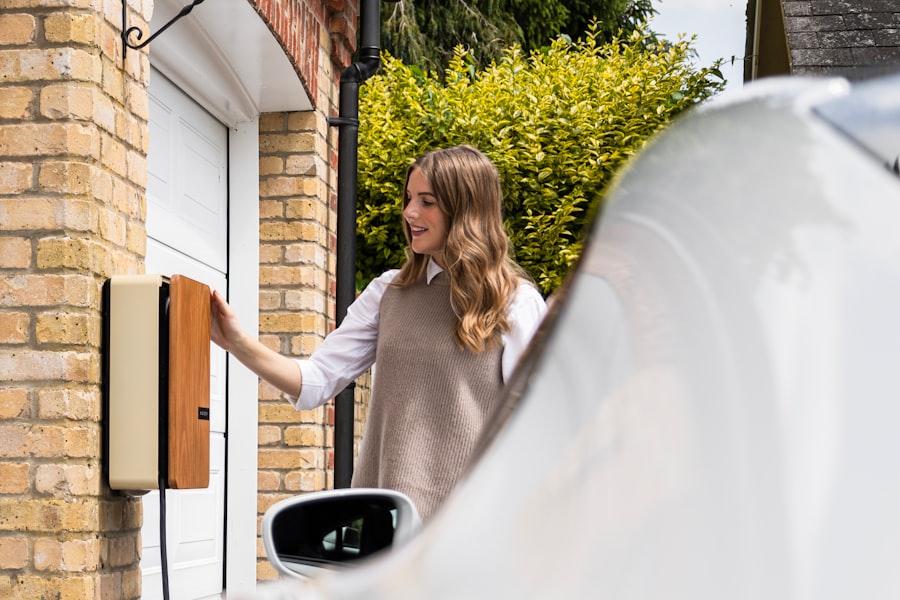
Moving beyond just reducing consumption, actively generating your own clean energy is a powerful step towards a sustainable home.
Solar Photovoltaic (PV) Panels: Harnessing Sunlight
Solar PV panels are probably the most recognisable form of home energy generation. They convert sunlight into electricity. While the UK isn’t exactly the sunniest place on earth, the technology is efficient enough for them to be worthwhile.
Optimising Your Roof Space
The best place for PV panels is usually a south-facing roof, but east or west-facing roofs can also be productive. It’s about maximising the sunlight they receive. You’ll see a reduction in your electricity bills, and depending on your system, you might even get paid for the excess electricity you feed back into the grid through something called the Smart Export Guarantee (SEG).
Battery Storage: Storing Your Sunshine
To make the most of your solar PV, consider adding battery storage. This allows you to store the electricity generated during the day for use at night or on cloudy days, further reducing your reliance on the grid. It’s a bit more of an investment, but it significantly increases your energy independence.
Microgeneration: More Than Just Solar
While solar PV is the most common, there are other forms of microgeneration that might be suitable depending on your location. For example, if you live near a stream, a small micro-hydro system could be an option, though these are quite niche for domestic properties.
Creating a sustainable home is an essential step towards reducing our environmental impact, and there are numerous strategies to achieve this. For those interested in innovative designs that promote eco-friendly living, a great resource is an article that discusses various sustainable house designs. You can explore these ideas further in this insightful piece on sustainable house designs. By incorporating these principles into our homes, we can contribute to a healthier planet while enjoying the benefits of energy efficiency and reduced utility costs.
Sustainable Materials and Waste Reduction: Building and Living Mindfully
| Area | Metric |
|---|---|
| Energy | Use of renewable energy sources |
| Water | Reduction in water consumption |
| Waste | Recycling and composting rate |
| Transport | Use of public transport or cycling |
| Food | Consumption of locally sourced and organic food |
Sustainability isn’t just about energy and water; it’s also about the materials we use and how we manage our waste. Making conscious choices can have a ripple effect.
Choosing Greener Building Materials
When undertaking renovations or building extensions, consider the environmental impact of the materials you choose.
Reclaimed and Recycled Materials: Giving Age a New Life
Salvaged bricks, reclaimed timber, and recycled insulation are fantastic options. They reduce the need for virgin materials, save energy in production, and often have a unique character that adds to the charm of your home. Many builders and architectural salvage yards specialise in these.
Low-VOC Paints and Finishes: Healthier Homes
Volatile Organic Compounds (VOCs) in paints and finishes can be harmful to both our health and the environment. Opt for low-VOC or zero-VOC paints, natural plasters, and sustainable wood finishes. Your home will smell fresher, and you’ll be breathing cleaner air.
Reducing and Reusing Waste
The amount of waste we generate as households is a significant environmental issue. Practising good waste management at home makes a difference.
The Power of the Three Rs: Reduce, Reuse, Recycle
It sounds simple, but diligently following the principles of reduce, reuse, and recycle is fundamental.
Reduce Consumption: Buy Less, Buy Better
Before buying something new, ask yourself if you really need it. Opt for quality items that will last longer, rather than disposable ones. This applies to everything from food to furniture.
Reuse What You Can: Give Things a Second Life
Get creative with reusing items. Old jars can become storage containers, worn-out clothing can be used as cleaning rags, and furniture can often be upcycled.
Efficient Recycling: Know Your Local System
Familiarise yourself with your local council’s recycling guidelines. Different areas accept different types of plastics and materials. Making sure you’re recycling correctly maximises the effectiveness of the system.
Composting: Turning Scraps into Gold
Food waste is a major contributor to landfill gases. Composting your food scraps and garden waste turns them into a valuable soil conditioner for your garden. Whether you have a large garden or a small balcony, there are composting solutions for every home.
In conclusion, creating a sustainable home in Britain is a journey. It’s about making informed, practical decisions that suit our climate and our way of life. By focusing on the fabric of your home, optimising your heating and water systems, embracing renewable energy, and being mindful of the materials you use and the waste you produce, you can build a home that’s not only kinder to the planet but also more comfortable and economical to live in. Start with the easy wins, and gradually build on them – every step you take makes a positive difference.