We all want a home that’s comfortable and healthy, but increasingly, we’re also looking for ways to reduce our environmental impact. Eco-friendly living spaces, sometimes referred to as “Eco Live Homes,” are designed with this in mind – aiming to minimise energy consumption, waste, and overall carbon footprint. It’s about building and living smarter, not just greener, and making choices that benefit both your wallet and the planet in the long run.
At its core, eco-friendly design isn’t about slapping on a solar panel and calling it a day. It’s an integrated approach that considers every aspect of a home’s lifecycle, from initial plans to daily living. Think of it as a holistic philosophy rather than a checklist.
Passive Design Strategies
This is where the magic really happens, often before you even lay a brick. Passive design leverages natural elements to keep your home comfortable without relying heavily on artificial heating or cooling.
- Optimised Orientation: Placing your home strategically to make the most of the sun’s path throughout the day and year is crucial. In the UK, this often means maximising south-facing windows for winter warmth while minimising west-facing exposure to avoid summer overheating.
- Natural Ventilation: Designing windows, vents, and internal layouts to encourage airflow can dramatically reduce the need for air conditioning. Cross-ventilation, where prevailing winds can push air through one opening and out another, is particularly effective.
- Thermal Mass: Materials like concrete, brick, or high-density plasterboard can absorb and store heat during the day and release it slowly at night, helping to stabilise internal temperatures. This is especially useful for evening warmth in cooler climates.
- Strategic Shading: Overhangs, awnings, and deciduous trees can block harsh summer sun while allowing warming winter rays to penetrate. It’s about smart sun management.
Energy Efficiency Beyond the Basics
While passive design lays the groundwork, active systems and material choices play a significant role in reducing ongoing energy use.
- High-Performance Insulation: This is non-negotiable. Walls, roofs, and floors should be exceptionally well-insulated to prevent heat loss in winter and heat gain in summer. Think beyond standard requirements; aim for superior U-values.
- Airtight Construction: Even the best insulation won’t work if your home is full of draughts. Air sealing around windows, doors, and all penetrations is critical to prevent uncontrolled air leakage, often measured by an air permeability test.
- Efficient Windows and Doors: Double or triple glazing with low-emissivity (low-e) coatings and inert gas infills (like argon) significantly improves thermal performance, keeping warmth in and cold out.
- Renewable Energy Sources: Solar photovoltaic (PV) panels for electricity generation and solar thermal panels for hot water are popular and increasingly cost-effective options, reducing reliance on fossil fuels. Heat pumps, whether air source or ground source, are also excellent for efficient heating and cooling.
- Smart Home Technology: Thermostats that learn your schedule, smart lighting, and energy monitoring systems can help you manage and reduce energy consumption without sacrificing comfort.
For those interested in creating a sustainable living environment, the article on eco-friendly fans at Eco Friendly Home and Garden offers valuable insights. It explores various energy-efficient fan options that not only enhance comfort but also contribute to reducing energy consumption in eco live homes. By incorporating such sustainable solutions, homeowners can significantly lower their carbon footprint while enjoying a more pleasant indoor atmosphere.
Sustainable Material Choices: Building Smarter
What your home is made of has a huge impact on its environmental footprint. Choosing materials wisely can reduce embodied energy, support local economies, and create a healthier indoor environment.
Low Embodied Energy Materials
Embodied energy refers to the total energy consumed by all the processes associated with the production of a building, from mining and manufacturing of materials to transport and assembly.
- Timber Frame Construction: A fantastic option, particularly if sourced from sustainably managed local forests. Timber is a renewable resource, locks away carbon, and has relatively low embodied energy compared to steel or concrete.
- Reclaimed and Recycled Materials: Using salvaged bricks, timber, or even reclaimed metals reduces demand for new resources and keeps materials out of landfill. It often adds unique character too.
- Natural Insulators: Materials like sheep’s wool, hemp, cellulose (recycled paper), and wood fibre boards offer excellent insulation properties alongside lower embodied energy and often better breathability than synthetic counterparts.
- Local Sourcing: Reducing transportation distances for materials significantly lowers their overall carbon footprint. Seek out local suppliers and manufacturers wherever possible.
Rethinking Conventional Materials
Sometimes, it’s not about completely abandoning traditional materials, but choosing smarter versions or using them more efficiently.
- Low-VOC Paints and Finishes: Volatile Organic Compounds (VOCs) in conventional paints can off-gas harmful chemicals into your home for years. Opt for low or zero-VOC alternatives for better indoor air quality.
- Sustainable Flooring: Consider certified sustainable timber, bamboo (a fast-growing grass), natural linoleum (made from linseed oil), cork, or recycled content carpets.
- Water-Saving Fixtures: Low-flow showerheads, dual-flush toilets, and aerators on taps can drastically cut water consumption without compromising performance.
Water Management: A Precious Resource
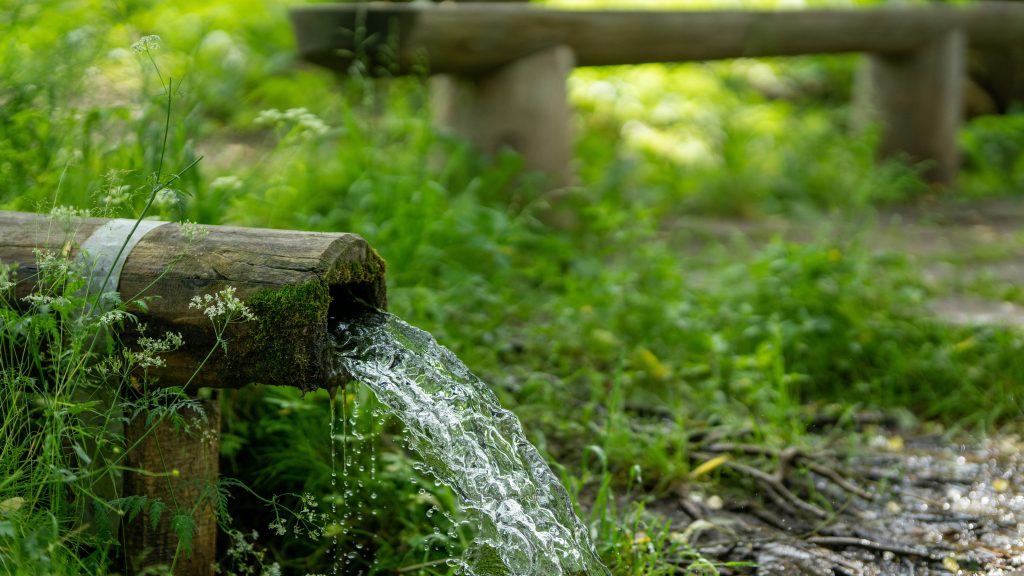
Water scarcity is a growing concern globally, and our homes can play a major role in conserving this vital resource.
Rainwater Harvesting
Collecting rainwater from your roof is a simple yet effective way to reduce reliance on mains water for non-potable uses.
- Non-Potable Uses: Harvested rainwater is ideal for flushing toilets, watering gardens, and even for laundry with appropriate filtration. This significantly reduces your mains water bill and your environmental impact.
- Simple Systems: Basic systems involve a storage tank connected to your downpipes, while more advanced setups can integrate into your internal plumbing.
Greywater Recycling
Greywater is the wastewater from baths, showers, and washing machines (but not toilets or kitchen sinks). It can be safely reused for certain purposes.
- Garden Irrigation: The most common and straightforward application. Greywater, particularly from showers and baths, can be directly diverted to irrigate your garden, especially if using eco-friendly soaps and detergents.
- Toilet Flushing: More complex systems can filter and treat greywater to a standard suitable for flushing toilets, offering significant water savings within the home.
Minimising Waste: Design for Longevity
A truly eco-friendly home isn’t just about what goes into it, but also what doesn’t end up in landfill during its lifetime.
Durable and Repairable Designs
Favouring quality over cheapness and designing components that can be easily repaired or replaced extends the life of your home and its fittings.
- Robust Construction: Building well from the outset minimises the need for frequent repairs or replacements. Choose durable finishes and fixtures that can withstand daily wear and tear.
- Modular Elements: Designs that allow for parts to be upgraded or replaced individually rather than tearing out entire systems can reduce future waste.
Waste Management During Construction
The construction phase itself generates a tremendous amount of waste. Planning ahead can dramatically reduce this.
- Deconstruction over Demolition: If renovating, consider carefully salvaging reusable materials rather than simply demolishing and discarding.
- On-Site Recycling: Designate specific bins for different waste streams (timber, metal, plasterboard, etc.) to facilitate recycling and minimise landfill contributions.
- Efficient Material Usage: Careful planning and ordering can minimise off-cuts and waste from new materials.
Eco live homes are becoming increasingly popular as more people seek sustainable living solutions. One important aspect of creating an eco-friendly home is proper insulation, which not only reduces energy consumption but also enhances comfort. For those interested in learning more about sustainable insulation options, a related article discusses various eco-friendly materials and techniques that can significantly improve your home’s energy efficiency. You can read more about this in the article on eco-friendly home insulation.
Creating a Healthy Indoor Environment
| Property | Location | Energy Rating | Water Usage |
|---|---|---|---|
| Green Oasis | London | A+ | Low |
| Eco Haven | Manchester | A | Moderate |
| Nature’s Retreat | Edinburgh | B | Low |
Eco-friendly homes aren’t just good for the planet; they’re healthier for the people living in them.
Good Ventilation and Air Quality
Beyond just temperature control, good ventilation is vital for maintaining a healthy internal atmosphere.
- Moisture Control: Proper ventilation prevents condensation and damp, which can lead to mould growth – a significant health hazard.
- Pollutant Removal: Everyday activities, furnishings, and cleaning products can release pollutants. Effective ventilation helps to flush these out, improving air quality and reducing issues like asthma and allergies.
- Heat Recovery Ventilation (HRV) / Mechanical Ventilation with Heat Recovery (MVHR): In highly airtight homes, these systems are crucial. They continuously extract stale air and supply fresh, filtered air, but crucially, they recover heat from the outgoing air to warm the incoming air, maintaining energy efficiency.
Natural Light and Biophilic Design
Connecting with nature inside your home has proven benefits for well-being.
- Maximise Daylight: Thoughtful window placement not only saves on electricity for lighting but also boosts mood and productivity. Large windows with good views can make a space feel bigger and brighter.
- Views to Nature: Designing spaces that offer views of greenery, whether it’s your garden or a nearby park, can reduce stress and enhance mental well-being.
- Indoor Plants: Incorporating plants can improve air quality, add natural beauty, and foster a connection to the natural world within your home.
Non-Toxic Materials
Your choice of interior finishes directly impacts the air you breathe.
- Natural Materials: Opt for natural alternatives like wool carpets, solid timber furniture, and natural stone, which typically don’t off-gas harmful chemicals.
- Sustainable Furnishings: Look for furniture made from sustainably sourced materials with non-toxic finishes and glues.
Eco live homes are increasingly becoming popular as people seek sustainable living solutions. One interesting aspect of these homes is their ability to integrate seamlessly with nature, promoting biodiversity and supporting local wildlife. For those interested in enhancing their outdoor spaces, an insightful article on creating a wildlife-friendly garden can provide valuable tips and benefits. You can read more about this topic in the article here. By adopting such practices, eco live homes not only reduce their environmental impact but also contribute positively to the ecosystem.
The Financial Aspect: Investment vs. Cost
While the initial outlay for an eco-friendly home can sometimes be higher, it’s crucial to look at the long-term financial picture.
Reduced Running Costs
This is often the most significant and immediate financial benefit.
- Lower Energy Bills: Superior insulation, efficient appliances, and renewable energy systems drastically reduce heating, cooling, and electricity costs. These savings accumulate over the lifespan of the home.
- Reduced Water Bills: Water-saving fixtures and rainwater harvesting can lead to noticeable reductions in your water utility bills.
Potential for Grants and Incentives
Governments and local authorities often provide schemes to encourage eco-friendly building.
- Government Grants: Keep an eye out for schemes like the Boiler Upgrade Scheme or grants for insulation upgrades, which can help offset upfront costs for specific technologies.
- Reduced Stamp Duty/Council Tax: While less common for new builds, some areas may offer incentives for homes meeting certain environmental standards.
Increased Property Value
Eco-friendly homes are increasingly appealing to buyers, leading to higher property values.
- Market Appeal: As environmental awareness grows, homes with lower running costs and a smaller carbon footprint are becoming highly desirable, attracting a premium.
- Future-Proofing: Investing in energy efficiency now can protect your home from future energy price hikes and increasingly stringent environmental regulations.
Creating an Eco Live Home is a journey, not a destination. It involves careful planning, thoughtful choices, and a commitment to not just building a house, but creating a healthy, efficient, and truly sustainable living space for years to come. It’s an investment in your comfort, your finances, and the planet.