As the seasons change and the days grow longer, many individuals feel the urge to refresh their living spaces. Spring cleaning, a tradition that dates back centuries, offers an opportunity to declutter, organise, and rejuvenate one’s home. However, in recent years, there has been a growing awareness of the environmental impact of cleaning practices. Sustainable spring cleaning not only focuses on tidying up but also emphasises eco-friendly methods that minimise harm to the planet. This approach encourages individuals to consider the materials they use, the waste they generate, and the overall footprint of their cleaning routines.
Sustainable spring cleaning involves a holistic view of home maintenance, integrating environmentally conscious choices into every aspect of the process. From selecting biodegradable cleaning products to implementing strategies for reducing waste, this method promotes a healthier living environment. By adopting sustainable practices during spring cleaning, individuals can contribute to a larger movement towards environmental stewardship while also creating a more pleasant and organised home.
Eco-Friendly Cleaning Products and Tools
The choice of cleaning products plays a significant role in sustainable spring cleaning. Traditional cleaning agents often contain harsh chemicals that can be detrimental to both human health and the environment. In contrast, eco-friendly cleaning products are formulated with natural ingredients that are less harmful and often biodegradable. These products can effectively clean surfaces without releasing toxic fumes or contributing to water pollution. Many brands now offer plant-based alternatives that are just as effective as their conventional counterparts, making it easier for consumers to make responsible choices.
In addition to selecting eco-friendly cleaning solutions, the tools used for cleaning can also impact sustainability efforts. Reusable cloths made from organic materials, such as cotton or bamboo, can replace disposable paper towels, significantly reducing waste. Similarly, using a mop with washable pads instead of disposable ones can further minimise environmental impact. Investing in durable tools that can withstand repeated use not only supports sustainable practices but also saves money in the long run. By prioritising eco-friendly products and tools, individuals can create a cleaning routine that aligns with their values while maintaining a clean and healthy home.
Sorting and Donating Unwanted Items

A crucial aspect of spring cleaning is sorting through belongings and identifying items that are no longer needed or used. This process not only helps declutter living spaces but also presents an opportunity to donate unwanted items to those in need. Many charitable organisations welcome donations of clothing, household goods, and other items that can be reused or repurposed. By donating rather than discarding these items, individuals can extend their lifecycle and reduce waste in landfills.
When sorting through belongings, it is helpful to adopt a systematic approach. One effective method is the “four-box” technique, where individuals designate boxes for keep, donate, recycle, and trash. This method encourages thoughtful decision-making about each item’s fate and helps ensure that usable items do not end up in the rubbish bin. By actively participating in the donation process, individuals contribute to their communities while promoting a culture of reuse and sustainability.
Upcycling and Repurposing Old Items
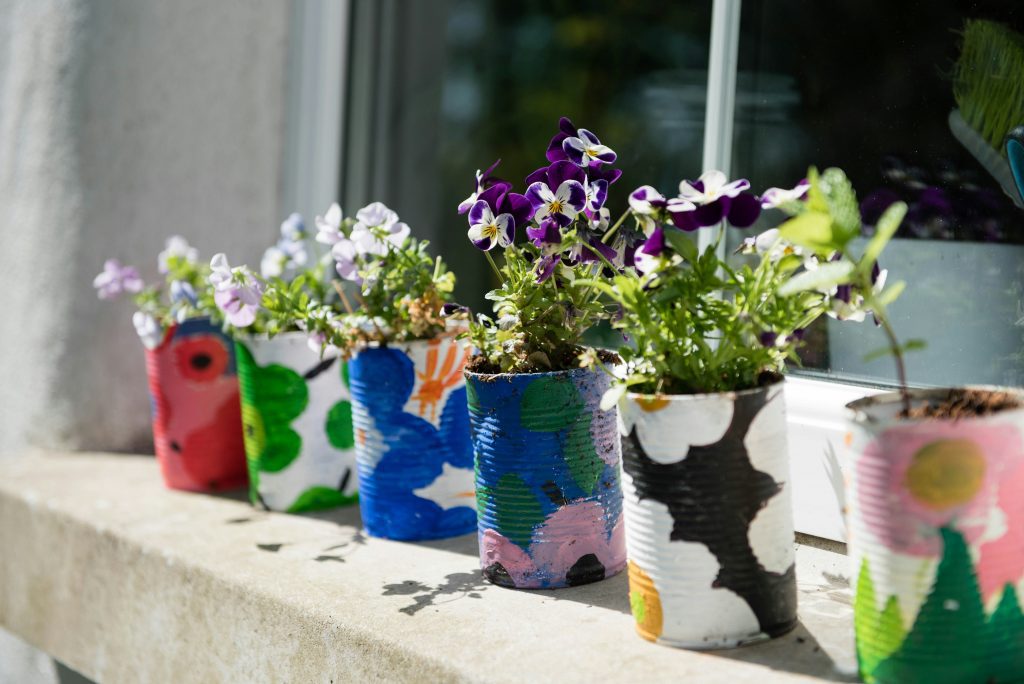
In addition to donating unwanted items, upcycling presents an innovative way to breathe new life into old possessions. Upcycling involves transforming discarded or unused items into something functional or aesthetically pleasing. This creative process not only reduces waste but also encourages individuals to think outside the box when it comes to their belongings. For example, an old wooden ladder can be repurposed into a unique bookshelf, while glass jars can serve as stylish storage containers.
The benefits of upcycling extend beyond environmental considerations; it also fosters creativity and resourcefulness. Engaging in upcycling projects can be a fulfilling way to spend time, allowing individuals to express their personal style while contributing to sustainability efforts. Moreover, upcycled items often carry a story or history that adds character to a home. By embracing upcycling as part of spring cleaning, individuals can reduce waste while creating unique pieces that reflect their values and creativity.
As you embark on your journey to declutter the eco-friendly way, you may find inspiration in the article on environmental stewardship, which highlights the importance of preserving our precious planet. This resource offers valuable insights into sustainable practices that can complement your spring cleaning efforts. By adopting these eco-conscious habits, you can not only tidy your home but also contribute positively to the environment. For more information, you can read the full article here.
Proper Disposal of Hazardous Waste
| Metric | Eco-Friendly Practice | Impact | Tips |
|---|---|---|---|
| Waste Reduction | Donating or recycling unwanted items | Reduces landfill waste by up to 60% | Sort items into donate, recycle, and reuse piles |
| Water Usage | Using natural cleaning solutions | Decreases water pollution and chemical runoff | Use vinegar, baking soda, and lemon for cleaning |
| Energy Consumption | Cleaning with manual tools instead of electric | Reduces energy use by 30% | Opt for brooms and cloths over vacuum cleaners when possible |
| Plastic Waste | Using reusable cleaning cloths and containers | Minimises single-use plastic waste | Choose cloths made from natural fibres and refillable bottles |
| Air Quality | Ventilating rooms during cleaning | Improves indoor air quality by reducing chemical fumes | Open windows and doors to allow fresh air circulation |
While many items can be donated or repurposed during spring cleaning, some materials require special attention due to their hazardous nature. Items such as batteries, paint, electronics, and certain cleaning products can pose risks to both human health and the environment if disposed of improperly. It is essential for individuals to be aware of local regulations regarding hazardous waste disposal and to seek out designated collection points or recycling facilities.
Many communities offer specific days for hazardous waste collection or have permanent drop-off locations where residents can safely dispose of these materials. By taking the time to properly dispose of hazardous waste, individuals not only protect their immediate environment but also contribute to broader public health efforts. Understanding the importance of responsible disposal is a key component of sustainable spring cleaning and reflects a commitment to environmental stewardship.
Sustainable Storage Solutions
As spring cleaning progresses and spaces become more organised, it is important to consider sustainable storage solutions that help maintain order while minimising environmental impact. Traditional storage options often involve plastic bins or containers that contribute to plastic waste. Instead, individuals can explore alternatives made from sustainable materials such as bamboo, recycled cardboard, or fabric. These options are not only environmentally friendly but can also add a touch of style to storage areas.
Incorporating multifunctional furniture into living spaces is another effective strategy for sustainable storage. For instance, ottomans with hidden compartments or benches with built-in storage can help maximise space while reducing clutter. Additionally, utilising vertical space through shelves or wall-mounted organisers can free up floor space and create a more open environment. By prioritising sustainable storage solutions during spring cleaning, individuals can create organised spaces that reflect their commitment to eco-friendly living.
Creating a Green Cleaning Routine
Establishing a green cleaning routine is essential for maintaining a sustainable home beyond the spring cleaning season. This routine should incorporate eco-friendly products and practices that promote cleanliness without compromising environmental integrity. For instance, individuals can create homemade cleaning solutions using simple ingredients like vinegar, baking soda, and essential oils. These natural alternatives are often just as effective as commercial cleaners and significantly reduce chemical exposure in the home.
In addition to using eco-friendly products, adopting efficient cleaning practices can further enhance sustainability efforts. For example, implementing a regular cleaning schedule can prevent the buildup of dirt and grime, reducing the need for intensive cleaning sessions that require more resources. Furthermore, focusing on one area at a time allows for thoroughness without overwhelming oneself with the entire task at once. By creating a green cleaning routine that prioritises sustainability, individuals can maintain a clean home while minimising their ecological footprint.
Maintaining a Clutter-Free Home
The final step in sustainable spring cleaning is developing habits that support a clutter-free home throughout the year. Maintaining organisation requires ongoing effort and mindfulness about what enters one’s living space. Adopting a “one in, one out” policy can be an effective strategy; for every new item brought into the home, an old item should be removed. This practice helps prevent accumulation and encourages thoughtful purchasing decisions.
Additionally, regular decluttering sessions can help keep spaces organised and manageable. Setting aside time each month to assess belongings ensures that items do not pile up over time. Engaging family members in this process fosters a collective sense of responsibility towards maintaining an organised environment. By cultivating habits that prioritise organisation and sustainability, individuals can enjoy the benefits of a clutter-free home long after the spring cleaning season has ended.
In conclusion, sustainable spring cleaning encompasses various practices aimed at creating a cleaner home while minimising environmental impact. From choosing eco-friendly products to implementing effective storage solutions and maintaining organisation throughout the year, each step contributes to a more sustainable lifestyle. By embracing these principles during spring cleaning and beyond, individuals can foster a healthier living environment for themselves and future generations while actively participating in the global movement towards sustainability.