As the days grow shorter and temperatures drop, many people find themselves seeking warmth and comfort indoors. Winter can be a challenging season for both people and plants, but incorporating houseplants into your living space can provide a refreshing contrast to the cold, dreary weather outside. Winter houseplants not only enhance the aesthetic appeal of your home but also contribute to a more inviting atmosphere. They can serve as a reminder of the vibrancy of nature, even when the landscape outside is barren and grey.
Houseplants have gained popularity in recent years, with many individuals recognising their potential to improve indoor environments. During winter, when natural light is limited and heating systems can dry out the air, selecting the right plants becomes crucial. Understanding which species thrive in these conditions can help you create a lush indoor garden that flourishes despite the season. This article will explore the benefits of houseplants in winter, recommend some of the best options for brightening your home, and provide essential care tips to ensure your plants thrive during the colder months.
If you’re looking to enhance your indoor environment this winter, you might also be interested in how to make your home more eco-friendly beyond just houseplants. A related article, From Scrap to Cash: The Basics of Metal Recycling, provides valuable insights into recycling metal and reducing waste, which can complement your efforts to create a healthier living space. By incorporating both greenery and sustainable practices, you can enjoy a more vibrant and environmentally conscious home during the colder months.
Benefits of Houseplants in Winter
The presence of houseplants during winter offers numerous advantages that extend beyond mere aesthetics. One significant benefit is their ability to improve indoor air quality. Many houseplants are known for their air-purifying properties, which can help remove toxins and pollutants from the air. This is particularly important during winter when homes are often sealed tight against the cold, leading to a build-up of indoor air contaminants. By introducing houseplants into your living space, you can create a healthier environment for yourself and your family.
In addition to enhancing air quality, houseplants can also have a positive impact on mental well-being. The winter months can often lead to feelings of isolation or seasonal affective disorder (SAD) due to reduced sunlight and outdoor activity. Engaging with plants can provide a sense of purpose and connection to nature, which is especially beneficial during this time. Studies have shown that caring for plants can reduce stress levels and promote feelings of happiness and contentment. Thus, having houseplants in your home during winter can serve as a natural remedy for the seasonal blues.
Top 5 Houseplants for Brightening Your Home
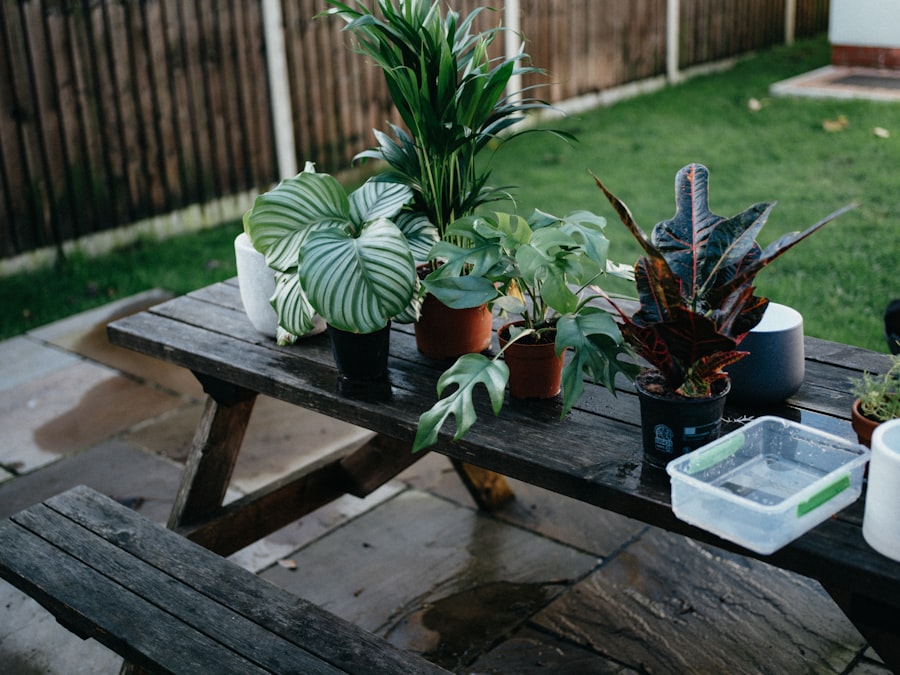
When selecting houseplants for winter, it is essential to choose varieties that can thrive in lower light conditions while still adding vibrancy to your space. One excellent option is the Pothos (Epipremnum aureum), known for its heart-shaped leaves and trailing vines. Pothos is incredibly adaptable and can tolerate a range of lighting conditions, making it an ideal choice for winter months when sunlight is scarce. Its lush foliage can bring a touch of greenery to any room.
Another popular choice is the Snake Plant (Sansevieria trifasciata), which is renowned for its resilience and low maintenance requirements. This plant can survive in low light and infrequent watering, making it perfect for busy individuals or those new to plant care. The upright leaves add a modern touch to interiors while also improving air quality by filtering out harmful toxins.
The ZZ Plant (Zamioculcas zamiifolia) is another excellent candidate for winter houseplant enthusiasts. With its glossy leaves and ability to thrive in low light, the ZZ Plant is both attractive and forgiving. It requires minimal care, making it suitable for those who may not have a green thumb. Additionally, its unique appearance can serve as a conversation starter in any room.
For those looking for a splash of colour, the Christmas Cactus (Schlumbergera) is an ideal choice. Blooming during the winter months, this plant produces vibrant flowers in shades of pink, red, or white, adding a festive touch to your home. Unlike traditional cacti, the Christmas Cactus prefers indirect light and regular watering, making it easier to care for during the colder season.
Lastly, consider the Spider Plant (Chlorophytum comosum), which is known for its arching leaves and small offshoots called “pups.” This hardy plant thrives in various lighting conditions and is particularly effective at purifying indoor air. Its ability to adapt makes it an excellent choice for winter months when light levels fluctuate.
How to Care for Winter Houseplants
Caring for houseplants during winter requires some adjustments compared to other seasons. One of the primary considerations is light exposure. With shorter days and lower sunlight intensity, it may be necessary to reposition your plants closer to windows or consider using grow lights to supplement natural light. Observing how your plants respond to their environment will help you determine their specific needs.
Watering practices also need to be modified during winter months. Many houseplants enter a period of dormancy during this time, requiring less water than they would in spring or summer. Overwatering can lead to root rot, so it is essential to check the moisture level of the soil before watering. A general rule of thumb is to allow the top inch of soil to dry out before adding more water.
Humidity levels can also drop significantly during winter due to heating systems. Many houseplants thrive in higher humidity environments, so it may be beneficial to increase humidity around your plants. This can be achieved by misting them regularly or placing a tray of water near them to create a more humid microclimate. Grouping plants together can also help maintain humidity levels as they release moisture into the air.
If you’re looking to enhance your indoor environment this winter, you might also find interest in an article about adopting eco-friendly habits at home. It offers practical tips that complement the benefits of houseplants, helping you create a more sustainable living space. You can read more about it in this insightful piece on eco-friendly habits that can further improve your home’s atmosphere.
Air-Purifying Houseplants for a Healthier Home
| Houseplant | Light Requirements | Air Purification Rating | Watering Frequency | Ideal Temperature (°C) | Additional Benefits |
|---|---|---|---|---|---|
| Snake Plant (Sansevieria) | Low to bright indirect light | High | Every 2-3 weeks | 15-27 | Removes toxins like formaldehyde and benzene |
| Spider Plant (Chlorophytum comosum) | Bright indirect light | High | Once a week | 13-24 | Easy to propagate and pet-friendly |
| Peace Lily (Spathiphyllum) | Low to medium indirect light | High | Once a week, keep soil moist | 18-26 | Produces beautiful white flowers |
| Rubber Plant (Ficus elastica) | Bright indirect light | Medium | Every 1-2 weeks | 16-24 | Helps reduce airborne toxins |
| Boston Fern (Nephrolepis exaltata) | Indirect light, prefers humidity | High | Keep soil consistently moist | 16-24 | Great for humidifying indoor air |
In addition to their aesthetic appeal, many houseplants are recognised for their air-purifying capabilities. The Peace Lily (Spathiphyllum) is one such plant that excels in removing common indoor pollutants such as formaldehyde and benzene. Its elegant white flowers add beauty while contributing to improved air quality, making it an excellent choice for bedrooms or living areas.
The Boston Fern (Nephrolepis exaltata) is another effective air purifier that thrives in humid environments. This lush fern not only filters out toxins but also adds moisture back into the air, which can be particularly beneficial during dry winter months. Placing a Boston Fern in a bathroom or kitchen can enhance both aesthetics and air quality.
The Rubber Plant (Ficus elastica) is also known for its ability to purify air while being relatively easy to care for. Its large, glossy leaves make it an attractive addition to any room, and it has been shown to remove toxins such as formaldehyde from indoor spaces. The Rubber Plant prefers bright, indirect light but can adapt to lower light conditions as well.
Another noteworthy option is the Dracaena species, which includes several varieties known for their air-purifying properties. Dracaenas are hardy plants that can tolerate low light and irregular watering, making them suitable for various indoor environments. They are effective at removing pollutants like xylene and trichloroethylene from the air.
Finally, consider incorporating Aloe Vera (Aloe barbadensis miller) into your collection. While primarily known for its medicinal properties, Aloe Vera also acts as an air purifier by removing formaldehyde and benzene from indoor air. Its succulent nature means it requires minimal watering, making it an ideal choice for those who may forget regular plant care.
If you’re looking to enhance your indoor environment this winter, you might also be interested in understanding how to maintain a comfortable temperature in your home. A related article explores the benefits of heat pumps and how they operate to keep your living space cosy during the colder months. You can read more about it here. Combining the right houseplants with an efficient heating system can create a welcoming atmosphere while also improving air quality.
Creative Ways to Display Houseplants in Your Home
Displaying houseplants creatively can enhance their visual impact while adding character to your living space. One popular method is using hanging planters or macramé hangers that allow plants to cascade downwards from ceilings or shelves. This not only saves space but also creates an eye-catching display that draws attention upwards.
Another option is to create a plant shelfie by arranging various plants on shelves or bookcases. Mixing different heights, textures, and colours can create an appealing visual composition that showcases your collection effectively. Incorporating decorative pots or containers can further enhance the overall aesthetic.
For those with limited floor space, consider using wall-mounted planters or vertical gardens. These innovative displays allow you to maximise vertical space while creating a stunning focal point in any room. Wall-mounted planters come in various designs and materials, enabling you to choose options that complement your interior style.
Terrariums are another creative way to showcase houseplants indoors. These glass containers can house small plants like succulents or ferns while providing a mini-ecosystem that requires minimal maintenance. Terrariums can be placed on tables or shelves as decorative centrepieces that add interest to any room.
Lastly, consider grouping plants together on a plant stand or cart for a more dynamic display. Mixing different species with varying heights creates visual interest while allowing you to easily move them around as needed for optimal light exposure.
Winter Houseplant Maintenance Tips
Maintaining houseplants during winter requires attention to specific factors that may differ from other seasons. Regularly checking for pests is essential since indoor environments can sometimes become conducive to infestations due to dry air and limited airflow. Inspecting leaves and stems for signs of pests such as spider mites or aphids will help you catch any issues early on.
Fertilising practices should also be adjusted during winter months when many plants enter dormancy. Most houseplants require less fertilisation during this time; therefore, reducing or eliminating fertiliser applications until spring will prevent nutrient build-up in the soil.
Pruning dead or yellowing leaves is another important maintenance task during winter months. Removing these leaves not only improves the plant’s appearance but also allows it to focus its energy on healthy growth rather than sustaining dying foliage.
Additionally, keeping an eye on temperature fluctuations within your home is crucial for plant health during winter months. Avoid placing plants near heating vents or drafty windows where they may experience sudden temperature changes that could stress them out.
Lastly, consider rotating your plants periodically so that all sides receive equal exposure to light sources. This practice encourages even growth and prevents plants from leaning towards their light source.
Conclusion and Final Thoughts on Winter Houseplants
Incorporating houseplants into your home during winter offers numerous benefits that extend beyond mere decoration. From improving air quality to enhancing mental well-being, these green companions provide comfort and vitality during the colder months. By selecting suitable species that thrive in lower light conditions and adapting care routines accordingly, you can create an inviting indoor garden that flourishes despite seasonal challenges.
Moreover, exploring creative ways to display your plants adds an element of personal expression while transforming your living space into a vibrant sanctuary amidst winter’s chill. With proper maintenance and attention, your winter houseplants can thrive and bring joy throughout the season.
Ultimately, embracing winter houseplants not only enriches your home but also fosters a deeper connection with nature during a time when outdoor experiences may be limited. As you nurture these living companions through the colder months, you may find that they offer more than just beauty; they provide solace and inspiration as you await the return of spring’s warmth and vitality.