In recent years, there has been a growing interest in eco-friendly gardening practices. One such practice that has gained popularity is the use of peanut shell compost. Peanut shell compost is a nutrient-rich soil amendment that is made from the discarded shells of peanuts. Not only does it provide numerous benefits for plants, but it also helps reduce waste and improve soil health. In this article, we will explore the various benefits of peanut shell compost and how it can be used to create a more sustainable and eco-friendly garden.
Key Takeaways
- Peanut shell compost is an eco-friendly alternative to traditional fertilizers.
- Peanut shell compost is made from the discarded shells of peanuts.
- Peanut shell compost is nutrient-rich and can improve soil health.
- Using peanut shell compost can reduce waste and benefit the environment.
- Peanut shell compost is cost-effective and easy to use in your garden.
What is Peanut Shell Compost?
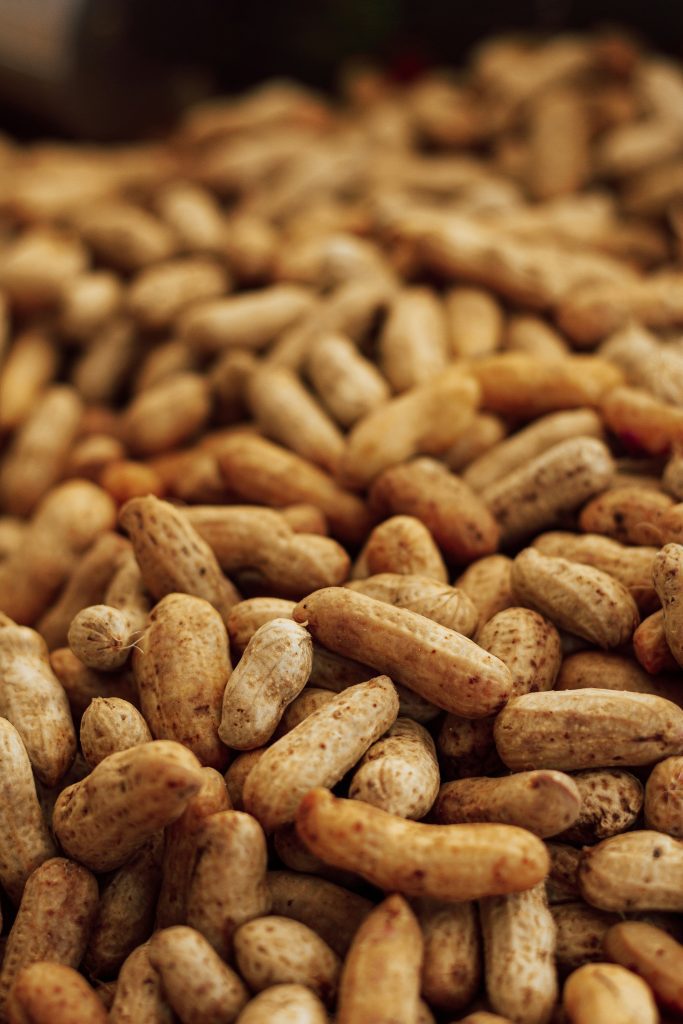
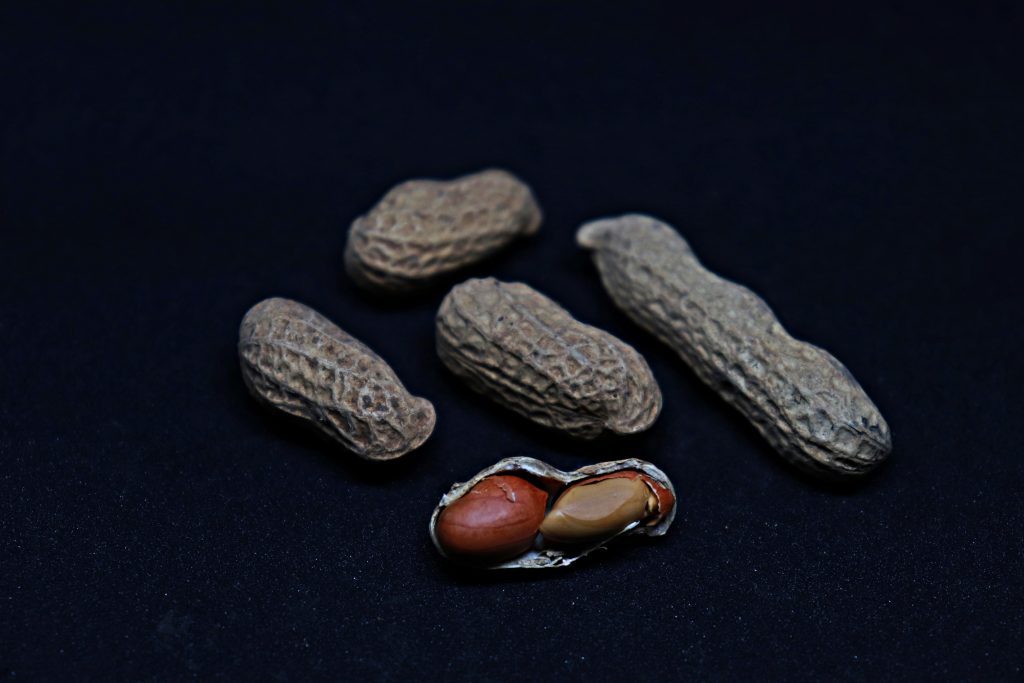
Peanut shell compost is a type of compost that is made from the shells of peanuts. It differs from other types of compost in that it is specifically made from peanut shells, rather than a mixture of various organic materials. The shells are collected from peanut processing facilities or farms and then broken down into smaller pieces before being composted.
How is Peanut Shell Compost Made?
The process of making peanut shell compost involves several steps. First, the peanut shells are collected and cleaned to remove any dirt or debris. Then, they are broken down into smaller pieces using a grinder or shredder. This helps to speed up the decomposition process.
Next, the shredded peanut shells are mixed with other organic materials, such as leaves, grass clippings, or kitchen scraps. This mixture provides a balanced blend of carbon and nitrogen, which are essential for the composting process. The materials are then placed in a compost bin or pile and regularly turned to ensure proper aeration and decomposition.
Nutrient-Rich Benefits of Peanut Shell Compost
| Nutrient | Amount | Benefit |
|---|---|---|
| Nitrogen | 2.5% | Improves plant growth and leaf development |
| Phosphorus | 1.5% | Stimulates root growth and flower development |
| Potassium | 1.2% | Enhances plant resistance to disease and stress |
| Calcium | 0.5% | Strengthens cell walls and improves fruit quality |
| Magnesium | 0.3% | Helps plants produce chlorophyll and enzymes |
Peanut shell compost is rich in nutrients and minerals that are beneficial for plant growth. It contains high levels of potassium, which helps promote strong root development and overall plant health. Additionally, it is a good source of phosphorus, which is essential for flower and fruit production.
Peanut shell compost also contains significant amounts of calcium, magnesium, and sulfur, which are important for soil fertility. These minerals help to improve soil structure, enhance nutrient availability, and promote beneficial microbial activity in the soil.
How Peanut Shell Compost Helps the Environment
One of the key benefits of using peanut shell compost is its positive impact on the environment. By using peanut shells that would otherwise be discarded as waste, we can reduce the amount of waste that ends up in landfills. This helps to minimize greenhouse gas emissions and conserve valuable landfill space.
Furthermore, peanut shell compost helps improve soil health and fertility. By adding organic matter to the soil, it increases its ability to retain moisture, reduces erosion, and promotes the growth of beneficial microorganisms. This, in turn, helps to reduce the need for synthetic fertilizers and pesticides, which can have harmful effects on the environment.
Cost-Effective Benefits of Using Peanut Shell Compost
Using peanut shell compost can also provide cost-effective benefits for gardeners. Compared to other fertilizers and soil amendments, peanut shell compost is relatively inexpensive to produce or purchase. It can be made at home using readily available materials or purchased from local suppliers at a reasonable cost.
Additionally, peanut shell compost is a long-lasting soil amendment. Once incorporated into the soil, it slowly releases nutrients over time, providing a continuous source of nourishment for plants. This reduces the need for frequent applications of fertilizers and saves money in the long run.
How to Use Peanut Shell Compost in Your Garden
Peanut shell compost can be used in various ways in your garden. It can be incorporated into the soil before planting to improve its fertility and structure. Simply mix it into the top few inches of soil using a garden fork or tiller.
Alternatively, you can use peanut shell compost as a top dressing around established plants. Spread a thin layer of compost around the base of the plants, taking care not to cover the stems or leaves. This will help to suppress weeds, retain moisture, and provide a slow-release source of nutrients.
Tips for Storing and Maintaining Peanut Shell Compost
To ensure the effectiveness of peanut shell compost, it is important to store and maintain it properly. Store the compost in a cool, dry place to prevent it from becoming moldy or attracting pests. It is also a good idea to cover the compost pile or bin with a tarp or lid to protect it from excessive moisture.
Regularly turn the compost pile or bin to promote proper decomposition and prevent odors. This can be done using a garden fork or compost turner. Additionally, monitor the moisture levels of the compost and add water if it becomes too dry or cover it if it becomes too wet.
Common Misconceptions About Peanut Shell Compost
There are some common misconceptions or concerns about using peanut shell compost that need to be addressed. One concern is the safety of using peanut shells that may have come into contact with allergens. However, studies have shown that the allergenic proteins in peanuts are not present in the shells, making them safe to use in compost.
Another misconception is that peanut shell compost may attract pests, such as rodents or insects. While it is true that pests may be attracted to organic materials, proper storage and maintenance can help minimize this risk. Additionally, incorporating the compost into the soil before planting can help prevent pests from accessing it.
The Future of Eco-Friendly Gardening with Peanut Shell Compost
In conclusion, peanut shell compost offers numerous benefits for both plants and the environment. Its nutrient-rich composition helps promote healthy plant growth, while its use reduces waste and improves soil health. By incorporating peanut shell compost into our gardening practices, we can create a more sustainable and eco-friendly future. So why not give it a try and see the difference it can make in your garden?
If you’re interested in sustainable gardening practices, you’ll love this article on how eco-gardeners are revolutionizing sustainable landscaping. It explores innovative techniques and ideas that can help you create an environmentally friendly garden. One such idea is peanut shell composting, which not only reduces waste but also enriches the soil with essential nutrients. To learn more about this fascinating topic, check out the article here.
FAQs
What is peanut shell compost?
Peanut shell compost is a type of organic fertilizer made from the shells of peanuts. The shells are broken down into a nutrient-rich soil amendment that can be used to improve soil quality and plant growth.
How is peanut shell compost made?
Peanut shell compost is made by collecting peanut shells and breaking them down into smaller pieces. The shells are then mixed with other organic materials, such as leaves or grass clippings, and allowed to decompose over time. The resulting compost can be used to enrich soil and promote healthy plant growth.
What are the benefits of using peanut shell compost?
Peanut shell compost is a natural and sustainable way to improve soil quality and promote healthy plant growth. It is rich in nutrients, including nitrogen, phosphorus, and potassium, which are essential for plant growth. Additionally, using peanut shell compost can help reduce waste by repurposing peanut shells that would otherwise be discarded.
How do you use peanut shell compost?
Peanut shell compost can be used in a variety of ways, including as a soil amendment, mulch, or fertilizer. To use as a soil amendment, mix the compost into the soil before planting. As a mulch, spread a layer of compost around the base of plants to help retain moisture and suppress weeds. As a fertilizer, mix the compost with water and apply to plants as needed.
Is peanut shell compost safe for all plants?
Peanut shell compost is generally safe for most plants, but it may not be suitable for plants that prefer acidic soil. Additionally, if the peanut shells were treated with pesticides or other chemicals, the resulting compost may not be safe for use in a garden. It is important to source peanut shells from a reputable supplier and ensure that they are free from contaminants before using them to make compost.