So, you’re thinking about going a bit greener, huh? That’s great! The idea of “eco-friendly living” might sound a bit daunting, like you need to become a woodland hermit overnight. But honestly, it’s a lot more about making small, sensible changes that add up. Think of it as tweaking your daily habits to be a bit kinder to the planet, without sacrificing your quality of life. It’s not about perfection, it’s about progress.
Here’s the straightforward answer: embracing eco-friendly living means making conscious choices about how you consume resources, manage waste, and interact with your environment. It’s about understanding the impact of your decisions and opting for alternatives that are less harmful, and ideally, even beneficial, to the planet. This isn’t about grand gestures; it’s about mindful living.
Making Your Home Greener
Your home is your sanctuary, and it’s also where a lot of our environmental impact originates. From the energy we use to the products we bring in, there are plenty of opportunities to green up your living space without a total overhaul.
Beating the Energy Guzzlers
Energy consumption is a big one. Heating, lighting, and all those appliances in your home add up. Reducing this drain not only helps the planet but also your wallet.
Smart Heating and Cooling
- Insulation is King: This is probably the most impactful thing you can do. Properly insulating your loft, walls, and floors means your heating system doesn’t have to work as hard in the winter, and your home stays cooler in the summer. It’s a bit of an investment upfront, but the long-term savings and comfort are significant. Draught-proofing around windows and doors is a cheap and cheerful first step.
- Thermostat Tactics: Don’t just crank the thermostat to the max. Lowering it by just a degree or two can make a noticeable difference. Consider a programmable thermostat so you can set it to reduce heating when you’re out or asleep.
- The Power of Layers: Before you reach for the thermostat, think about putting on a jumper or throwing on a blanket. It’s a simple, low-tech way to stay warm.
Lighting Up Responsibly
- Switch to LEDs: If you haven’t already, swap out those old incandescent bulbs for LEDs. They use a fraction of the energy and last much, much longer. It’s a no-brainer, honestly.
- Natural Light is Best: Open those curtains and blinds during the day. Maximise natural light whenever you can. It’s free, it’s good for you, and it saves energy.
- Be Mindful of Lights Out: It sounds obvious, but get into the habit of switching off lights when you leave a room. Get the whole household on board with this.
Water, Water Everywhere, But Use It Wisely
We often take clean water for granted, but it’s a precious resource. Being mindful of water usage at home can have a real impact.
Taps, Showers, and Flushing
- Fix Those Leaks: A dripping tap might seem minor, but it can waste litres of water every day. Get them fixed.
- Shorter Showers: Aim for shorter shower times. If you have a bath, consider filling it less. Technology like low-flow showerheads can also help significantly without sacrificing water pressure.
- Toilet Habits: Modern dual-flush toilets are designed to use less water per flush. If you have an older model, you can sometimes put a brick or a water-filled bottle in the cistern to reduce the amount of water used per flush.
Greening Your Cleaning Routine
Many conventional cleaning products are packed with harsh chemicals that can be harmful to both your health and the environment.
Natural and Effective Alternatives
- Vinegar and Bicarbonate of Soda: These are your best friends for eco-friendly cleaning. Bicarbonate of soda (baking soda) is a great abrasive and deodoriser, while white vinegar is a fantastic disinfectant and degreaser.
- Lemon Power: Lemons are brilliant for cutting through grease and leaving a fresh scent.
- DIY Cleaners: You can whip up effective cleaning solutions with just a few simple ingredients. For example, a spray bottle of diluted vinegar works wonders on windows and surfaces.
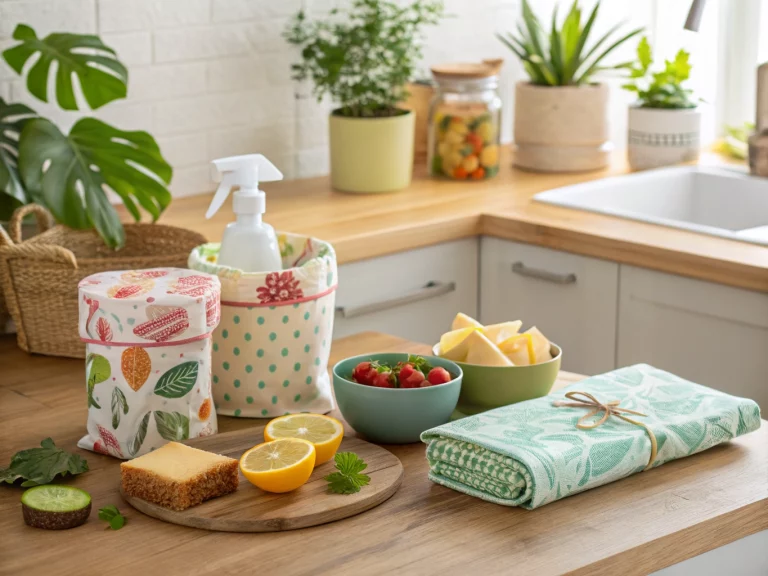
- Reusable Cloths: Ditch the paper towels and invest in a good set of microfibre cloths. They’re washable, reusable, and work well for most cleaning tasks.
For those interested in embracing eco-friendly practices in their daily lives, a related article that delves into sustainable architecture is available at Building a Sustainable Future: Designing Your Nature-Friendly House. This insightful piece explores innovative design concepts that not only minimise environmental impact but also enhance the overall quality of life in our homes. By integrating natural elements and sustainable materials, we can create living spaces that harmonise with the environment, making a significant contribution to eco-green living.
Conscious Consumption: What You Buy Matters
What we buy has a ripple effect throughout the world, from how things are made to how they’re disposed of. Thinking more consciously about our purchases is a cornerstone of eco-friendly living.
Reducing Your Waste Footprint
The mantra here is ‘reduce, reuse, recycle,’ and in that order. Recycling is important, but preventing waste in the first place is even better.
The Three Rs and Beyond
- Reduce – Buy Less: This is the most effective step. Before you buy something, ask yourself if you truly need it. Can you borrow it? Can you make do with what you already have?
- Reuse – Give Things a Second Life: Get creative! Jars for storage, old clothes for rags, furniture for upcycling projects. Embrace second-hand shops and online marketplaces.
- Recycle – When You Can’t Reduce or Reuse: Make sure you know what can and can’t be recycled in your local area and rinse containers properly to avoid contamination.
- Refuse – Say No to Unnecessary Items: This includes things like single-use plastic bags, straws, and excessive packaging. Carry a reusable shopping bag, a water bottle, and a coffee cup.
Smart Food Choices
Food production, transportation, and waste contribute significantly to environmental issues. Small changes in your diet can make a big difference.
From Farm to Fork, Responsibly
- Eat Seasonally and Locally: Produce that’s in season and grown nearby requires less energy to produce and transport, meaning a lower carbon footprint. Visit your local farmers’ market.
- Reduce Meat and Dairy: Producing meat and dairy products is resource-intensive. Even cutting down a few meals a week can have a positive impact. Explore delicious plant-based recipes!
- Minimise Food Waste: Plan your meals, store food correctly, and get creative with leftovers. Composting is also a fantastic way to deal with food scraps.
- Choose Sustainable Seafood: If you eat fish, look for sustainably sourced options. Your local fishmonger or guides from environmental organisations can help.
The Power of Secondhand and Sustainable Brands
When you do need to buy new, consider where it comes from and who made it.
Buying Better, Not Just More
- Thrift Stores and Charity Shops: These are treasure troves for clothing, furniture, books, and more. It’s often much cheaper and saves items from landfill.
- Repair, Don’t Replace: Can that broken item be fixed? Learning basic repair skills or supporting local repair businesses is a great way to reduce waste.
- Ethical and Sustainable Brands: While sometimes more expensive, supporting brands that prioritise environmental and ethical practices makes a difference. Look for certifications and transparency.
Greening Your Commute and Travel
How we get around is another major area where we can reduce our environmental impact.
Shifting Gears for the Planet
Rethinking your daily commute and travel choices can significantly cut down on emissions.
Getting Around Smarter
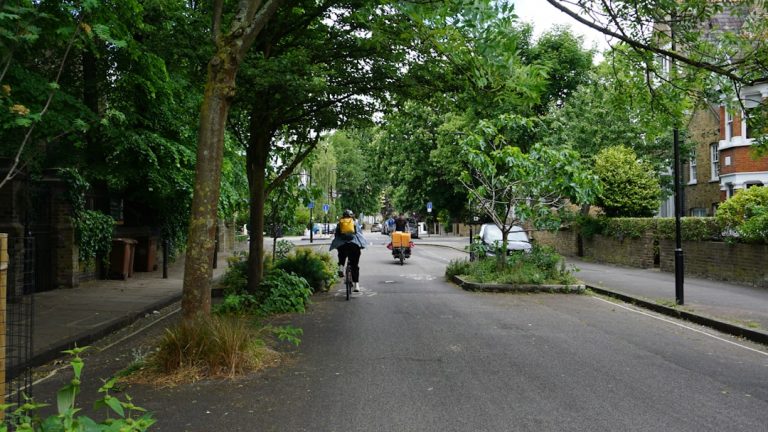
- Walk or Cycle: For shorter journeys, walking or cycling is the ultimate eco-friendly option. It’s free, it keeps you fit, and it has zero emissions.
- Public Transport: Buses and trains are generally much more efficient per passenger than individual cars. Make use of them when you can.
- Carpooling: If you must drive, share the journey with others. It reduces the number of cars on the road and splits fuel costs.
- Electric and Hybrid Vehicles: If you’re considering a new car, explore hybrid or electric options. The technology is improving all the time.
- Consider the Impact of Flights: Air travel has a very high carbon footprint. For shorter distances, consider trains or ferries. If you must fly, look into offsetting your carbon emissions.
Mindful Holidays
Even your holidays can be more eco-conscious.
Sustainable Holidays
- Staycations: Explore the beauty of your own country. It reduces travel emissions and often supports local businesses.
- Eco-Lodges and Sustainable Tourism: Look for accommodation that prioritises sustainability, whether it’s solar power, water conservation, or supporting local communities.
- Respect Local Environments: When you travel, be mindful of local ecosystems and cultures. Avoid single-use plastics and always take your rubbish with you.
Managing Your Waste Responsibly
Even with the best intentions, we all generate waste. How we manage it is crucial.
Beyond the Bin: Waste Management
Understanding your waste streams and finding better ways to handle them is key.
Composting for a Greener Garden
- Kitchen Scraps: Most organic waste from the kitchen (fruit and vegetable peels, coffee grounds, tea bags) can be composted. This diverts waste from landfill and creates nutrient-rich soil for your garden.
- Types of Composting: You can start a compost bin in your garden, use a wormery for smaller spaces, or for those in flats, look for local community composting schemes.
- What to Compost: Generally, you can compost fruit and vegetable scraps, eggshells, coffee grounds and filters, tea bags, grass clippings, and leaves. Avoid meat, dairy, oily foods, and diseased plants.
Reducing Plastic Pollution
Plastic is a huge environmental problem, particularly single-use plastics.
Cutting Out the Crucial Culprits
- Reusable Bags: Always have reusable shopping bags with you. Keep them in your car, by the door, or folded in your handbag.
- Water Bottles and Coffee Cups: Invest in a good reusable water bottle and a travel coffee cup. Carrying them with you becomes second nature.
- Say No to Single-Use Items: Refuse plastic straws, cutlery, and unnecessary packaging whenever possible.
- Bulk Buying: Where possible, buy items in bulk to reduce packaging. Bring your own containers if the shop allows.
- Choose Products with Less Packaging: Opt for loose produce over pre-packaged items, and look for brands that use minimal or sustainable packaging.
For those interested in embracing eco-friendly practices, exploring sustainable solutions can significantly enhance your green living journey. A particularly insightful article discusses various eco-sustainable solutions that can be implemented in your greenhouse to promote a healthier environment. You can read more about these innovative ideas in the article on greenhouse eco-sustainable solutions for a greener future. By adopting these practices, you can contribute to a more sustainable lifestyle while enjoying the benefits of gardening. To learn more, visit this article.
Connecting with Nature and Your Community
Eco-friendly living isn’t just about what you don’t do, but also about actively engaging with and supporting the natural world and your local community.
Nurturing the Green Around You
- Gardening for Wildlife: Even a small balcony garden can be a haven for insects and birds. Plant native species that provide food and shelter.
- Support Local Green Spaces: Volunteer at local parks, conservation projects, or community gardens.
- Education and Awareness: Learn more about local environmental issues and share your knowledge and enthusiasm with others.
Community Initiatives
Being part of a community can amplify your individual efforts.
Collective Action
- Local Swap Shops: Organise or participate in local events where people can swap clothes, books, or household items.
- Community Gardens: Get involved in a community garden. It’s a great way to grow food, connect with neighbours, and learn new skills.
- Support Local, Sustainable Businesses: Choose to buy from businesses in your community that demonstrate a commitment to environmental responsibility.
- Advocacy: Engage with local councils and representatives on environmental issues that matter to you.
Embracing eco-friendly living is a journey, not a destination. It’s about making informed choices, one step at a time. Don’t feel pressured to do everything at once. Pick one or two areas that feel manageable and start there. Every little bit genuinely does help. You’re not just doing the planet a favour; you’re often improving your own health, happiness, and financial well-being too. So, go on, take that first green step – it’s a good one.