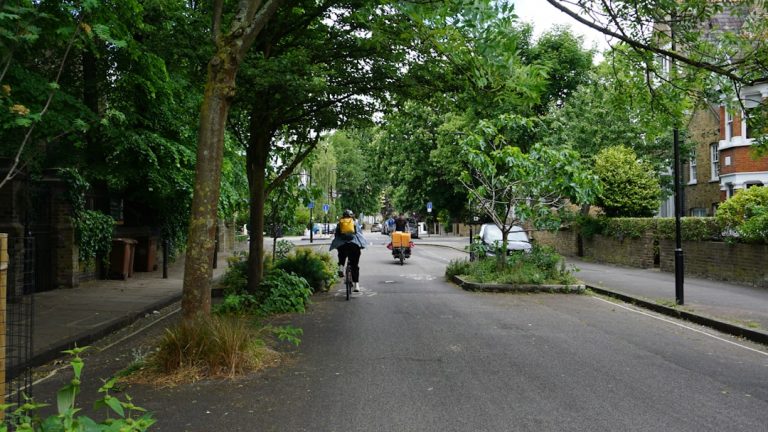
Embracing an eco-friendly lifestyle essentially means making conscious choices that lessen your negative impact on our planet. It’s about recognising that our everyday actions, from what we eat to how we travel, have consequences, and then adjusting those actions to be more sustainable. Think of it as a continuous journey of small, practical steps that collectively make a significant difference, not just for the environment, but often for your wallet and well-being too. It’s not about perfection; it’s about thoughtful progress.
Before we dive into actionable tips, it’s really helpful to get a grasp of what a “carbon footprint” is and why it matters. Basically, it’s a measure of the total greenhouse gas emissions caused directly and indirectly by an individual, organisation, event or product. Everything we do, buy, or consume has an associated carbon footprint. Understanding yours is the first step towards reducing it.
What is a Carbon Footprint?
Simplistically, it’s the sum of all emissions of greenhouse gases (like carbon dioxide, methane, nitrous oxide, and fluorinated gases) that are induced by your activities. Think about the energy used to heat your home, the fuel in your car, the factory emissions from manufacturing your clothes, and even the emissions from producing and transporting your food. All of these contribute to your personal footprint.
Why Does it Matter?
These greenhouse gases trap heat in the Earth’s atmosphere, leading to global warming and climate change. This, in turn, causes a whole host of problems: extreme weather, rising sea levels, loss of biodiversity, and threats to food security, among others. By reducing our individual carbon footprints, we contribute to mitigating these larger environmental issues. It’s about taking shared responsibility.
How to Estimate Your Footprint
There are several online calculators that can give you a rough estimate. Websites like the WWF or the Carbon Trust offer tools where you input information about your home energy use, travel habits, diet, and consumption patterns. While not perfectly precise, they provide a good starting point to identify your biggest impact areas. This objective data helps you prioritise where to focus your efforts.
For those interested in adopting an eco-friendly lifestyle, exploring sustainable home improvements is essential. A particularly insightful article on eco-friendly insulation can be found at Eco-Friendly Insulation for Sustainable Homes, which discusses various materials and methods that not only enhance energy efficiency but also contribute to a healthier living environment. By implementing these practices, homeowners can significantly reduce their carbon footprint while enjoying the benefits of a more sustainable home.
Rethinking Your Consumption Habits
One of the most impactful areas to address is how and what we consume. In our modern society, convenience often trumps sustainability, but a shift in mindset here can make a vast difference. It’s not about deprivation, but about conscious, informed choices.
The Power of “Reduce, Reuse, Recycle”
This mantra has been around for ages, and for good reason. It’s a hierarchy, though, and the order is crucial.
Reduce
This is the most important step. Can you genuinely live with less? Do you really need that new gadget, another piece of clothing, or that disposable item? Reducing consumption means buying less stuff in the first place. This saves resources, energy, and reduces waste before it even becomes waste. Think about borrowing instead of buying, repairing instead of replacing, and opting for durable, long-lasting items.
Reuse
Before something hits the bin, can it be repurposed? Glass jars make great storage containers. Old t-shirts can become cleaning cloths. Furniture can be upcycled. Reusable shopping bags, water bottles, and coffee cups are prime examples of simple, everyday reuse that significantly cuts down on single-use waste. This also extends to second-hand shopping – giving items a new lease on life.
Recycle
When you absolutely can’t reduce or reuse, then recycle. Understand what your local council collects and how to properly sort your waste. Contamination is a big issue in recycling, so making sure items are clean and correctly separated is important. However, remember recycling is an energy-intensive process and often a last resort, not a primary solution.
Ethical and Sustainable Shopping
Beyond the ‘3 Rs’, consider the entire life cycle of the products you buy.
Supporting Local Businesses
Buying locally often means fewer transportation emissions, but it also supports your community and local economy. Local produce, for example, travels shorter distances and is often fresher. Local crafts and services reduce the need for global supply chains.
Choosing Durable Over Disposable
Invest in quality over quantity. A well-made item that lasts for years is always more eco-friendly than several cheaper, disposable alternatives. Think about clothing made from resilient materials, kitchenware designed to endure, and electronics that can be repaired.
Investigating Supply Chains
This can be a more in-depth task, but for significant purchases, a little research goes a long way. Look for brands that are transparent about their sourcing, manufacturing processes, and labour practices. Are they using recycled materials? Do they have certifications for fair trade or environmental standards? It’s not always straightforward, but consumer demand drives change.
Greening Your Home and Garden

Your home is a significant contributor to your carbon footprint, mainly through energy consumption. Making your living space more eco-friendly can not only reduce your environmental impact but also save you a considerable amount of money on utility bills.
Energy Efficiency Indoors
Small changes can add up to big savings.
Smart Heating and Cooling
Insulate your home properly; draught-proofing windows and doors is a simple and effective first step. Use a smart thermostat to control your heating more efficiently, only heating rooms when and where they are needed. Turn down the thermostat by just one degree – you might not even notice the difference, but your energy bill certainly will. Wear an extra jumper before reaching for the thermostat.
Appliance Awareness
Unplug ‘vampire’ appliances – electronics that draw power even when turned off or in standby mode. Choose energy-efficient appliances when buying new ones; look for the A+++ ratings on the energy labels. Use washing machines and dishwashers only when full and at lower temperatures where possible.
Lighting Choices
Switch to LED bulbs. They use significantly less energy and last much longer than traditional incandescent or even CFL bulbs. Remember to turn off lights when you leave a room. Maximise natural light during the day by keeping curtains and blinds open.
Water Conservation
Water is a precious resource, and using it wisely is crucial.
Efficient Plumbing
Fix leaky taps and toilets promptly – a small drip can waste litres of water over time. Install low-flow showerheads and dual-flush toilets. Consider collecting rainwater for garden use.
Mindful Usage
Take shorter showers instead of baths. Turn off the tap while brushing your teeth or washing dishes. Only boil the amount of water you need in the kettle.
Eco-Friendly Garden Practices
Your garden can be a haven for biodiversity and a source of sustainable living.
Composting Food Waste
Composting your kitchen and garden waste creates nutrient-rich soil and reduces the amount of organic material sent to landfill, where it produces methane, a potent greenhouse gas. It’s a fantastic way to recycle nutrients back into your garden.
Water-Wise Gardening
Choose drought-tolerant plants suited to your local climate. Water plants in the early morning or late evening to minimise evaporation. Use mulch to retain soil moisture.
Supporting Pollinators
Plant native flowers and plants to attract bees, butterflies, and other essential pollinators. Avoid pesticides in your garden, as these chemicals harm beneficial insects and broader ecosystems. Create a small pond or bug hotel to provide habitat.
Sustainable Travel Choices
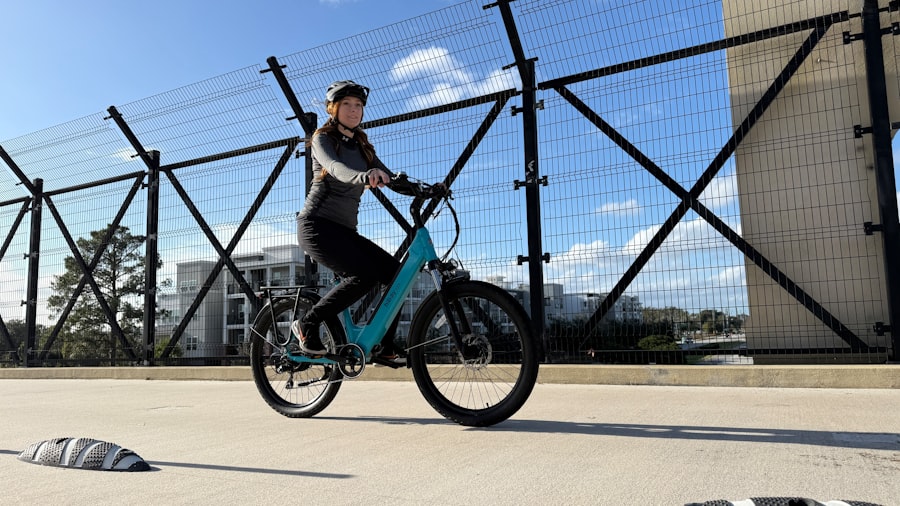
How we get around has a massive impact on our carbon footprint. Transport accounts for a significant chunk of global emissions, so rethinking our travel habits is a powerful step towards an eco-friendly lifestyle.
Embracing Active Travel
This is often the most sustainable and beneficial option for short to medium distances.
Walking
The simplest and most cost-effective form of transport. Good for your health, zero emissions, and a great way to experience your local area. For errands, commuting, or leisure, walking should always be the default consideration for viable distances.
Cycling
An excellent alternative for slightly longer distances. It’s healthy, efficient, non-polluting, and can often be quicker than driving in congested urban areas. Many cities are improving their cycling infrastructure, making it safer and more accessible. Consider an electric bike if hills or longer distances are a barrier.
Public Transport Prowess
When walking or cycling isn’t practical, public transport is often the next best choice.
Buses and Trains
Sharing transport with many other people significantly reduces per-person emissions compared to individual car journeys. Trains, especially electric ones, are highly efficient for longer distances, while buses are a great option for intra-city travel. Look into weekly or monthly passes to make it more cost-effective.
Carpooling
If driving is unavoidable, carpooling with others for commutes or longer journeys spreads the emissions and fuel costs amongst multiple people, making it a more efficient use of the vehicle.
Mindful Driving
For those times when you do need to use a car, there are ways to minimise your impact.
Efficient Driving Practices
Accelerate gently, maintain a steady speed, and anticipate traffic to avoid harsh braking. Regular vehicle maintenance, ensuring tyres are correctly inflated, and not carrying unnecessary weight can all improve fuel economy.
Electric and Hybrid Vehicles
If you are in the market for a new car, consider an electric vehicle (EV) or a hybrid. While their manufacturing has an environmental footprint, their operational emissions are significantly lower, especially if powered by renewable energy. Research charging infrastructure and battery life.
Rethinking Air Travel
Air travel has a disproportionately high carbon footprint, so it requires careful consideration.
Reducing Non-Essential Flights
Can that business meeting be done virtually? Can you explore destinations closer to home instead of flying long-haul? Cutting down on the number of flights taken is one of the most significant individual actions for reducing your carbon footprint.
Carbon Offsetting
If you must fly, consider offsetting your emissions. Many airlines offer this option, or you can use reputable third-party schemes that invest in projects like reforestation or renewable energy. While not a complete solution (it doesn’t actually remove the emissions you’ve just created), it does contribute to global efforts to reduce carbon. It’s important to research the quality and integrity of offsetting schemes.
For those looking to adopt a more eco-friendly lifestyle, exploring renewable energy options can be incredibly beneficial. One interesting development is the increasing popularity of small wind turbines among homeowners, which can significantly reduce reliance on fossil fuels. If you’re curious about how these turbines are making a difference in sustainable energy practices, you can read more in this insightful article on the topic. Discover how this innovative approach is transforming energy consumption by visiting homeowners embracing small wind turbines for sustainable energy.
Adopting a Plant-Rich Diet
| Metrics | Data |
|---|---|
| Carbon footprint | Reduced by 25% |
| Energy consumption | Decreased by 30% |
| Water usage | Reduced by 20% |
| Waste production | Minimised by 40% |
The food we eat has a substantial environmental footprint, from land use and water consumption to greenhouse gas emissions from livestock. Shifting your diet to be more plant-rich is one of the most effective ways to lower your personal environmental impact.
Reducing Meat and Dairy Consumption
Animal agriculture is a major contributor to greenhouse gas emissions and deforestation.
The Appeal of Plant-Based Meals
Incorporating more fruits, vegetables, grains, and legumes into your diet not only is healthier but also significantly reduces your carbon footprint. Even committing to one or two meat-free days a week can make a difference. Explore new recipes and cuisines – plant-based cooking can be incredibly diverse and delicious.
Sustainable Sourcing
If you do consume meat and dairy, choose products from sustainably managed farms where animal welfare and environmental practices are prioritised. Look for certifications that indicate higher standards.
Minimising Food Waste
Globally, a huge amount of food is wasted, contributing to emissions and squandering resources.
Smart Shopping
Plan your meals, make a shopping list, and stick to it to avoid impulse buys that might go to waste. Don’t be swayed by multi-buy offers if you won’t consume everything before it spoils.
Proper Storage
Understand how to store different types of food to maximise their shelf life. Use airtight containers for leftovers. Freeze portions of meals you won’t eat immediately.
Creative Cooking
Learn to use up leftovers or slightly past-prime ingredients. Wilted vegetables can often be revived in soups or stews. Stale bread can become croutons or breadcrumbs. Embrace “ugly” fruit and vegetables, which are often perfectly edible but supermarket aesthetic standards lead to their rejection.
The Benefits of Local and Seasonal Produce
Connecting with where your food comes from helps reduce emissions and supports local economies.
Reducing Food Miles
Buying local and seasonal produce means your food hasn’t travelled halfway across the world to reach your plate. This reduces transportation emissions and often means fresher, more flavourful ingredients.
Supporting Local Farmers
It fosters a stronger local food system and helps sustain local agriculture, which can be more resilient and environmentally conscious than industrial mega-farms. Farmers’ markets are a great place to find local and seasonal produce directly from the source.
Eating with the Seasons
Adjusting your diet to what’s naturally available seasonally often means food that tastes better and involves less energy-intensive cultivation (e.g., heated greenhouses). It also encourages more variety in your diet throughout the year.
Embracing an eco-friendly lifestyle is a journey, not a destination. It’s about making gradual, informed changes that align with your values and capacity. Start small, be consistent, and don’t be afraid to learn and adapt as you go. Every little bit truly does help, and collective action is how we make a meaningful impact on the health of our planet. It’s an investment in a more sustainable future, not just for ourselves, but for generations to come.