So, you’re curious about going a bit greener, aye? Embracing an eco-friendly lifestyle here in Britain isn’t about dramatic gestures or living in a mud hut. It’s really about making small, sensible changes that add up. Think of it as a bit of a practical upgrade to your daily routine, aiming to lessen your impact on the planet without turning your life upside down. It really is more about common sense and a bit of thoughtful planning than anything else.
Greening Your Grub: A Proper British Way
Food is a big one, isn’t it? What we eat and where it comes from makes a proper difference. It’s not just about the latest trendy ingredient; it’s often about rediscovering what’s good and local.
From the Soil to Your Spoon: The Importance of Local
We’ve got some cracking produce right here in the UK. Supporting local farmers means less air miles for your carrots and fewer lorries belching out fumes. It’s a simple win-win. Plus, when it’s in season, it tastes a whole lot better, doesn’t it?
- Seasonal Savvy: Get to know what’s growing when. Your greengrocer or local market will be a goldmine of information. No need for me to list it all out – you’ll soon work it out! It’s part of the fun.
- Farmers’ Markets: A weekend wander to a farmers’ market is a lovely way to spend a Saturday morning. You can chat to the people who grow your food, and it’s usually fresher.
- Veg Boxes: Many regions have brilliant “veg box” schemes. You get a curated selection of seasonal produce delivered straight to your door. It’s convenient and encourages you to try new things.
Cutting Down on Waste: The Rule of Three Rs (and Maybe Four)
Food waste is a huge problem, and frankly, a bit of a national embarrassment. It’s not just about the money down the drain, it’s the resources used to produce it.
- Reduce: Plan your meals. Knowing what you’re going to cook stops you buying too much and ending up with forgotten wilting veg.
- Reuse: Got leftover vegetables? Make a soup, a frittata, or add them to a stir-fry. Stale bread? Croutons or breadcrumbs. Get creative.
- Recycle: Compost your food scraps if you can. Even if you don’t have a garden, many councils offer food waste collections.
- Rot: This is essentially composting. If you’ve got a garden, get a compost bin. If not, look into local community composting initiatives.
Meat and Dairy: A More Mindful Approach
While not everyone is going to go full vegan (and that’s perfectly fine!), reducing our reliance on meat and dairy can have a significant environmental impact.
- Flexitarianism: This is a really accessible way to start. Simply aim to have a few meat-free days a week. Think hearty lentil stews, bean chilli, or a cracking mushroom risotto.
- Quality Over Quantity: If you do eat meat, consider buying from more ethical and sustainable sources. Look for free-range, organic, or local options. It might cost a little more, but you know it’s better for the animals and the environment.
- Plant-Based Alternatives: The market for plant-based milks, yogurts, and cheeses has exploded. There are some really tasty options out there now, so it’s worth exploring if you fancy trying something different.
For those looking to enhance their eco-friendly lifestyle, a great resource is the article on green landscaping, which provides innovative ideas for creating a sustainable garden. You can explore various techniques to reduce your environmental impact while enjoying a beautiful outdoor space by visiting this link.
Your Home, Greener and Cosier
Making your home more eco-friendly isn’t just good for the planet; it’s good for your wallet too, especially with those energy bills!
Energy Efficiency: The Foundation of a Greener Home
This is where you can make some serious savings and reduce your carbon footprint.
- Insulation: Loft and wall insulation are your best friends. It keeps the heat in during winter and out during summer, meaning less need for the boiler or air conditioning. It’s a bit of an upfront cost, but it pays for itself over time.
- Draught-Proofing: Simple, cheap, and effective. Seal up gaps around windows and doors. You’d be amazed how much heat escapes this way. Draught excluders are your friend.
- Efficient Appliances: When it’s time to replace white goods, look for those with high energy efficiency ratings. They might cost a little more initially, but they’ll use less electricity in the long run.
- Smart Thermostats: These are brilliant. You can control your heating remotely and set schedules so you’re not heating an empty house. It’s a game-changer for saving energy and money.
Water Wisely: Every Drop Counts
We’re pretty lucky in the UK to have good access to water, but it’s still a precious resource.
- Shorter Showers: It’s a classic for a reason. Cut down your shower time by a minute or two, and you’ll save a surprising amount of water and energy.
- Water-Saving Devices: Things like aerating showerheads and dual-flush toilets can make a big difference without you really noticing.
- Rainwater Harvesting: If you have a garden, consider a water butt for collecting rainwater. It’s perfect for watering plants.
Waste Not: Beyond the Kitchen Bin
Your home generates waste in more ways than just food.
- Recycling Right: Know what can and can’t be recycled in your area. Contaminated recycling streams can cause problems. Give packaging a quick rinse if needed.
- Reducing Packaging: Try to buy products with minimal packaging where possible, or opt for brands that use recycled or recyclable materials.
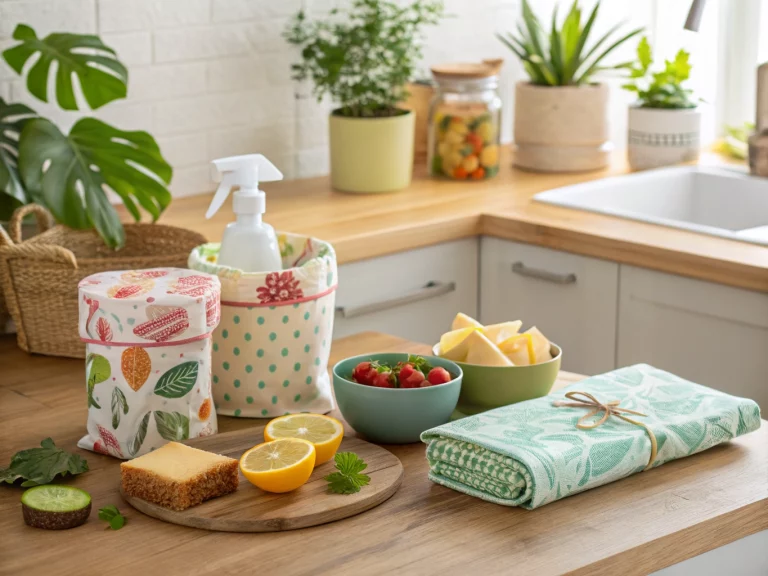
- Reusables: Swap disposable items for reusable ones. Think cloth shopping bags, reusable water bottles, coffee cups, and beeswax wraps instead of cling film.
On the Move: Smarter Travel Choices
How we get around has a massive impact. The car is often a necessity, but there are ways to make it greener.
Walking and Cycling: The Purest Forms of Transport
For shorter journeys, these are unbeatable. Good for your health and the environment.
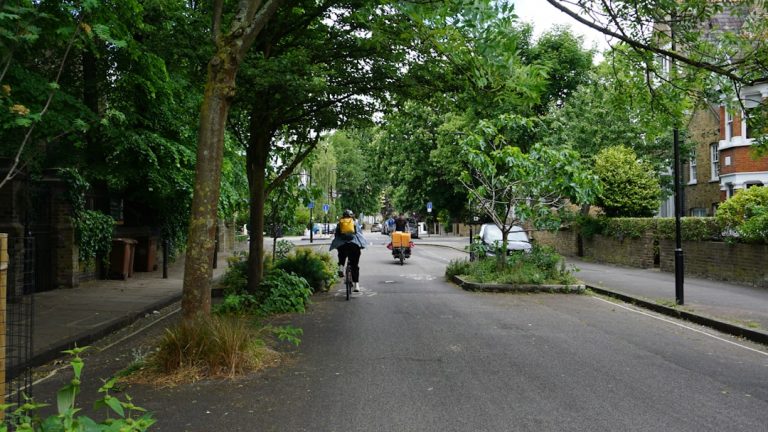
- Short Trips: If you’re only going a mile or two, leave the car at home. It’s often quicker anyway when you factor in parking.
- Cycle to Work Schemes: Many employers offer these, making it cheaper and easier to get a bike.
- Explore Your Local Area: You might be surprised what you discover just a short walk or cycle away.
Public Transport: The Backbone of Greener Commuting
Our rail and bus networks are pretty decent in many parts of the country.
- Train Travel: For longer distances, the train is almost always a greener option than flying or driving. Plus, you can relax and read a book.
- Buses: Local bus services are vital for reducing car dependency. While they can be slow, they’re a more sustainable choice for daily commutes or errands.
- Carpooling: If you have to drive, see if you can share the journey with colleagues or neighbours. It halves the emissions (and the fuel costs).
Electric Vehicles (EVs): A Growing Trend
EVs are becoming more common, and for good reason.
- Consider an EV: If you’re in the market for a new car, an electric vehicle is worth serious consideration. The running costs are lower, and your emissions are drastically reduced.
- Charging Infrastructure: This is improving all the time, with more charging points appearing on our streets and at workplaces.
Conscious Consumption: What We Buy Matters
Every purchase we make has an environmental footprint, from how it’s made to how it’s disposed of.
The Thrifty Way: Second-Hand is Smart
Pre-loved items are fantastic. They save resources and money.
- Charity Shops: A treasure trove for clothes, books, homeware, and more. You never know what gems you might find.
- Online Marketplaces: Sites like eBay and Vinted are great for buying and selling second-hand goods.
- Furniture and Homeware: Don’t overlook car boot sales or local selling groups for furniture and decor.
Quality Over Quantity: Buy to Last
It really is better to buy fewer, higher-quality items that will last longer, rather than cheap, disposable things that need replacing frequently.
- Durable Goods: Invest in well-made clothing, tools, and appliances. They might cost more upfront, but they’ll serve you better and generate less waste.
- Repair, Don’t Replace: If something breaks, see if it can be repaired before you buy a new one. There are increasingly more repair cafes popping up.
Ethical Brands and Certifications
When buying new, look for brands that are transparent about their environmental and ethical practices.
- Fairtrade: Ensures producers in developing countries receive fair wages and work in safe conditions.
- Forest Stewardship Council (FSC): For wood and paper products, look for the FSC logo to ensure they come from sustainably managed forests.
- Organic Certification: For food and textiles, this indicates that products are grown or made without harmful chemicals.
Adopting an eco-friendly lifestyle can significantly impact our environment, and one of the most rewarding ways to contribute is by cultivating a sustainable garden. For those looking to enhance their green spaces while being mindful of the planet, this article on essential tips for creating an eco-friendly garden offers invaluable insights. By implementing these strategies, you can not only beautify your surroundings but also promote biodiversity and reduce your carbon footprint. To explore these tips further, visit this resource and discover how small changes can lead to a more sustainable lifestyle.
Beyond the Individual: Community and Collective Action
While our personal choices are important, working together amplifies our impact.
Community Initiatives
There’s strength in numbers.
- Local Groups: Look for local environmental groups or sustainability networks. They often organise events, litter picks, or workshops.
- Community Gardens: Get involved in a local community garden. It’s a great way to grow your own food and meet like-minded people.
- Sharing Economy: From tool libraries to car-sharing clubs, these initiatives reduce the need for everyone to own everything.
Advocacy and Influence
Your voice can make a difference.
- Support Sustainable Businesses: Vote with your wallet by supporting companies that are genuinely trying to be more eco-friendly.
- Engage with Local Councils: Let your local authority know you care about environmental issues. This can influence local policies on waste management, green spaces, and transport.
- Talk About It: Have conversations with friends and family about what you’re doing and why. It’s not about being preachy, but about sharing practical tips and inspiring others.
Embracing an eco-friendly lifestyle in Britain is really about finding your own path. It’s a journey, not a destination, and every little step you take makes a difference. It’s about being thoughtful, making good choices, and perhaps rediscovering some old-fashioned common sense along the way.