Living a green lifestyle essentially means making daily choices that reduce your environmental impact. It’s about being more mindful of how your actions affect the planet, from the energy you use to the food you eat and the things you buy. It’s not about perfection overnight, but about consistent, practical steps towards a more sustainable way of living. Think of it as a gradual shift towards better habits, benefiting both you and the Earth in the long run.
Your living space is a prime spot to start making eco-friendly changes. Small adjustments here can lead to significant reductions in your carbon footprint and often save you money too.
Energy Efficiency Matters
Heating, cooling, and powering your devices account for a large portion of household emissions. Thinking about how you consume energy is a fantastic first step.
- Insulation and Draught Proofing: This is a big one. A well-insulated home loses less heat in winter and stays cooler in summer. Checking for draughts around windows, doors, and even electrical sockets and sealing them up can drastically cut down on energy waste. You can use simple draught excluders, weatherstripping, or even caulk for more permanent solutions. It’s often a relatively inexpensive fix with a significant return.
- Smart Thermostats: These clever devices learn your routines and adjust heating and cooling accordingly, preventing you from heating an empty house. Many can be controlled via your phone, giving you flexibility and more precise control over your home’s temperature, leading to less energy consumption.
- LED Lighting: If you haven’t switched to LEDs yet, now’s the time. They use significantly less energy and last much longer than traditional incandescent bulbs, saving you money on both electricity bills and replacement costs.
- Appliance Use: Be mindful of when and how you use your appliances. Only run your washing machine and dishwasher when they’re full. Consider air-drying clothes when possible, especially during warmer months. Unplug chargers and appliances when not in use – even in standby mode, they can draw a trickle of power (known as ‘phantom load’).
- Renewable Energy: This is a larger investment, but if you’re in a position to consider it, installing solar panels can significantly reduce your reliance on grid electricity and lower your bills. Even if you can’t install your own, many energy providers offer tariffs that source 100% renewable electricity. It’s worth checking what options are available in your area.
Water Conservation at Home
Water is a precious resource, and using it wisely is a key part of living green.
- Shorter Showers: This is a classic for a reason. Cutting a few minutes off your shower time each day adds up to a surprising amount of water saved over a year.
- Efficient Toilets & Taps: Low-flow showerheads and dual-flush toilets can dramatically reduce water usage without compromising performance. Leaky taps can waste a surprising amount of water over time; fixing them quickly is a simple yet effective measure.
- Mindful Gardening: If you have a garden, consider collecting rainwater in a butt for watering plants. Water your garden in the early morning or late evening to minimise evaporation. Opt for drought-resistant plants where possible.
For those interested in adopting an environmentally friendly lifestyle, a fascinating article on how to unclog your drains using soda offers a simple yet effective solution that avoids harsh chemicals. This method not only helps maintain your plumbing but also aligns with sustainable practices by utilising common household items. You can read more about this eco-friendly approach in the article available at Unclog Your Drains with Soda: A Simple Solution.
Ethical Consumption and Waste Reduction
What you buy and how you dispose of things makes a massive difference. Thinking before you purchase and prioritising reduction is crucial.
Reduce, Reuse, Recycle, Repair, Rot (The 5 Rs)
This hierarchy is your best friend when it comes to consumption.
- Reduce: The most effective step. Simply buy less, or buy things that are durable and long-lasting. Think about whether you truly need something before purchasing.
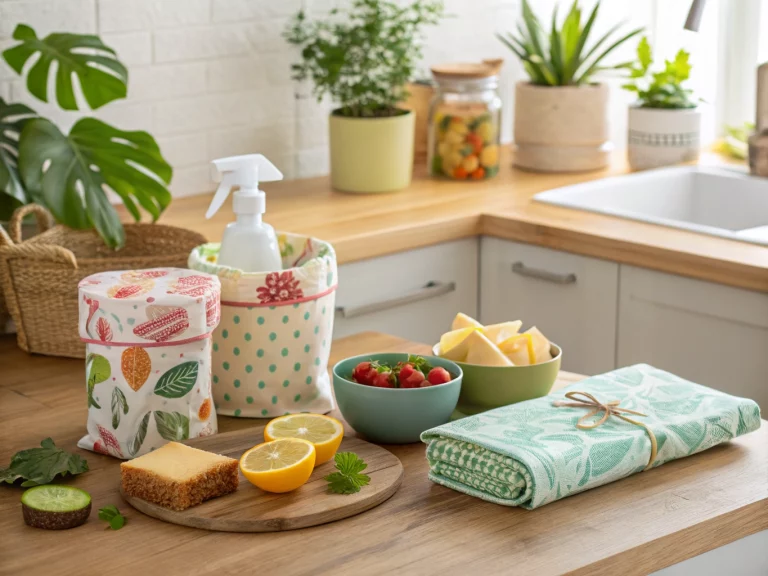
- Reuse: Before throwing something away, consider if it can have another life. Glass jars become storage containers, old clothes can be repurposed as cleaning rags, and reusable bags are a must for shopping.
- Recycle: Understand your local recycling rules. What can be recycled and how? Rinse containers, separate materials correctly, and make sure your recyclables are clean to avoid contamination.
- Repair: Instead of replacing broken items, try to fix them. Many communities have ‘repair cafes’ where volunteers help fix everything from electronics to clothing. Learning a few basic repair skills can save you money and keep items out of landfills.
- Rot (Compost): For organic waste like food scraps and garden trimmings, composting is an excellent way to return nutrients to the soil and reduce landfill waste. This reduces methane emissions from landfills and creates fantastic fertiliser for your plants.
Mindful Shopping Habits
Your purchasing power is huge. Use it wisely.
- Buy Second-Hand: Charity shops, online marketplaces, and vintage stores are packed with treasures. From clothing to furniture and books, buying second-hand saves resources and often money too.
- Support Local: Buying from local businesses often means fewer transport emissions, supports your community, and you might get higher quality goods.
- Ethical Brands: When you do buy new, research companies. Look for brands committed to sustainable practices, fair trade, ethical labour, and minimal environmental impact. Look for certifications that back up their claims.
- Durable Goods: Invest in quality items that will last, rather than cheaper, disposable alternatives. This applies to everything from kitchenware to clothing.
- Packaging: Choose products with minimal or recyclable packaging. Bring your own reusable bags, produce bags, and even containers to shops that allow it, especially for bulk items.
Sustainable Food Choices

What you put on your plate has a significant environmental footprint. Making conscious food choices can positively impact land use, water consumption, and greenhouse gas emissions.
Eating Smarter
It’s not just about going vegan, although that’s one avenue. There are many ways to make your diet more sustainable.
- Reduce Meat & Dairy: Livestock farming is a major contributor to greenhouse gas emissions, deforestation, and water pollution. Even reducing your consumption of meat and dairy a few times a week can make a difference. Explore plant-based alternatives and recipes.
- Eat Seasonal & Local: Food that’s in season often requires less energy to grow and transport. Buying local also reduces food miles – the distance food travels from farm to plate. Check out farmer’s markets for fresh, seasonal produce.
- Minimise Food Waste: A staggering amount of food is wasted globally. Plan your meals, store food properly, use up leftovers creatively, and compost what you can’t eat. Understanding ‘best before’ vs. ‘use by’ dates is also helpful – ‘best before’ often means quality, not safety.
- Grow Your Own: Even a small herb garden on a windowsill can connect you more to your food and reduce your reliance on store-bought items. If you have outdoor space, growing some of your own fruits and vegetables is incredibly rewarding and sustainable.
Green Travel and Commuting

How you get around significantly impacts the environment, particularly concerning fossil fuel consumption.
Rethinking Your Journeys
Every trip you take is an opportunity to make a greener choice.
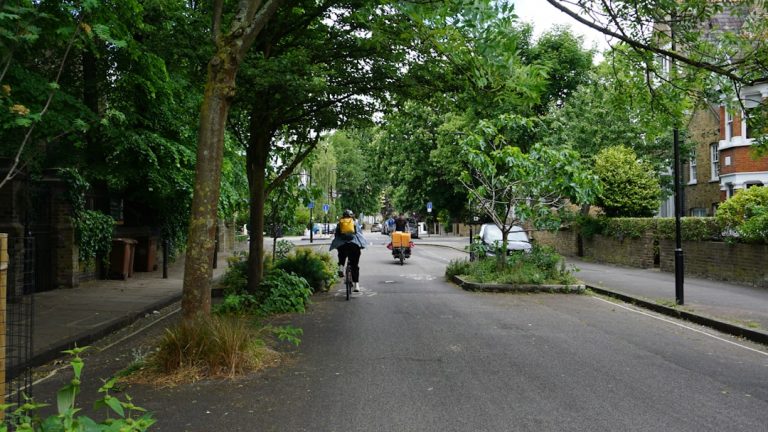
- Walk or Cycle: For short distances, walking or cycling is not only zero-emission but also excellent for your health. Explore local paths and consider cycling as a regular mode of transport.
- Public Transport: Buses, trains, and trams are much more energy-efficient per passenger kilometre than individual cars. Utilise your local public transport network whenever possible.
- Carpooling & Car Sharing: If driving is unavoidable, consider carpooling with colleagues or friends. Car-sharing schemes also provide access to a vehicle without the environmental impact and cost of ownership.
- Electric Vehicles (EVs): While the production of EVs has an environmental footprint, once on the road, they produce zero tailpipe emissions. If you’re considering a new car, an EV funded by renewable electricity is a far greener choice.
- Reduce Air Travel: Flying is one of the most carbon-intensive forms of transport. Where possible, choose train travel for longer distances or explore staycations. If you must fly, consider offsetting your carbon emissions through reputable schemes, though ideally, reduction comes first.
Adopting an environmentally friendly lifestyle can be both rewarding and inspiring, especially when you explore innovative living spaces designed with sustainability in mind. For instance, you might find it fascinating to read about various eco-friendly houses that showcase how modern architecture can harmonise with nature. One such article that delves into this topic is the top five eco-friendly houses that can motivate you to embrace a more sustainable way of living. These homes not only reduce their carbon footprint but also serve as a testament to the beauty of green design.
Community and Engagement
| Metrics | Data |
|---|---|
| Carbon footprint | 2.5 tonnes per year |
| Energy consumption | 15 kWh per day |
| Water usage | 100 litres per day |
| Waste production | 1.5 kg per day |
Living green isn’t just about individual actions; it’s also about collective effort and influencing broader change.
Spreading the Message
Your actions can inspire others, and working together can amplify your impact.
- Connect with Local Initiatives: Many communities have environmental groups, clean-up drives, or sustainability projects. Getting involved is a great way to meet like-minded people and contribute to larger efforts.
- Educate Yourself and Others: Stay informed about environmental issues and sustainable solutions. Share what you learn with friends and family in a positive, encouraging way. Not everyone is at the same stage on their green journey, so kindness and practicality go a long way.
- Advocate for Change: Support policies and politicians who champion environmental protection and sustainable development. Write to your local council, sign petitions, or participate in peaceful demonstrations. Your voice matters in pushing for systemic change.
- Support Eco-Friendly Businesses: Actively seek out and support businesses that demonstrate a genuine commitment to sustainability. Your spending habits can help shape the market.
- Be Patient and Persistent: Creating a truly sustainable lifestyle is a journey, not a destination. There will be times you slip up, and that’s okay. The key is to keep learning, adapting, and striving for better. Every small step contributes to a larger, more positive impact.
Living a green lifestyle is about making conscious, consistent choices that reflect your values. It’s a journey of continuous learning and improvement, not a race to perfection. By focusing on practical changes in your home, consumption habits, food choices, and travel, and by engaging with your community, you can make a tangible difference. It’s about building a future where both people and the planet can thrive.