So, you’re wondering what this “green living” thing is all about and if it’s something you can actually manage? Fair enough. The short answer is: yes, absolutely. It’s about making conscious choices in your everyday life that are a bit kinder to the planet, and it’s not nearly as complicated or restrictive as you might imagine. Think of it less as a radical overhaul and more as a series of simple adjustments that add up. This isn’t about living in a yurt (unless you want to!) or giving up everything you enjoy. It’s about finding practical ways to reduce your impact, from the food you eat to how you manage your waste, and often, these changes can even save you money and improve your well-being.
Essentially, green living, or an eco-friendly lifestyle, is about trying to minimise your negative impact on the environment. It’s a broad term that covers a huge range of practices, all aimed at sustainability. The core idea is to use resources responsibly, avoid unnecessary waste, and make choices that support the health of our ecosystems. It’s about recognising that our actions have consequences beyond our immediate doorstep and that we have a role to play in protecting the planet for ourselves and future generations.
Why Bother? The Bigger Picture
It’s easy to feel like one person’s actions won’t make a difference, but that’s where the collective power comes in. The cumulative effect of millions of people making small, greener choices is significant. Think about it: if everyone reduced their plastic bag usage by one a week, that’s millions fewer bags ending up in landfill or in our oceans. Beyond the global impact, there are often tangible benefits for you too.
Environmental Benefits
This is the obvious one. Reduced pollution, conservation of natural resources like water and energy, protection of biodiversity, and mitigation of climate change are all direct results of more people adopting greener habits.
Personal Benefits
Many green living practices can lead to healthier lifestyles. Eating more locally sourced, seasonal food often means fresher, more nutritious meals. Reducing exposure to harsh chemicals found in some cleaning products can benefit your health. And the simple act of spending more time outdoors, perhaps gardening or cycling, is good for both your physical and mental well-being.
Financial Benefits
This is a big motivator for many. Reducing energy consumption means lower electricity bills. Minimising waste can mean fewer impulse buys and more conscious spending. Repairing rather than replacing items saves money. Even switching to a reusable water bottle and coffee cup can add up to savings over time.
Adopting an environmentally friendly lifestyle can significantly enhance our connection with nature, and one effective way to do this is by incorporating native plants into our gardens. These plants not only support local wildlife but also require less maintenance and fewer resources compared to non-native species. For more insights on how to attract wildlife to your garden while promoting sustainability, you can read this informative article on native plants at Attracting Wildlife with Native Plants in Your Garden.
Making Your Kitchen Greener: From Food to Waste
Your kitchen is often the epicentre of your household’s daily life, and it’s a prime spot for making eco-friendly changes. From what you buy to how you cook and what you throw away, there are many opportunities to become more sustainable.
Sustainable Shopping Habits
The choices you make at the supermarket or local market have a ripple effect. Think about the packaging, the sourcing, and the carbon footprint of the food you choose.
Reducing Food Miles
When possible, opt for locally produced and seasonal food. This reduces the energy needed to transport goods across long distances. Visiting local farmers’ markets is a fantastic way to do this, and you often get higher quality produce.
Minimising Packaging
Choose loose fruits and vegetables over pre-packaged options. Look for products in recyclable or compostable packaging. Bringing your own reusable bags for groceries is a no-brainer.
Plant-Based Power
Reducing your meat and dairy consumption, even just a few days a week, can significantly lower your environmental footprint. Livestock farming has a substantial impact on land use, water consumption, and greenhouse gas emissions.
Cooking and Food Storage
How you prepare and store your food also matters.
Energy-Efficient Cooking
Use lids on pots and pans to retain heat, and consider using a pressure cooker or slow cooker for certain dishes, which can be more energy-efficient. When baking, try to use the oven for multiple things at once.
Reducing Food Waste
This is a huge one. Plan your meals to avoid buying more than you need. Store food correctly to maximise its lifespan. Get creative with leftovers – there are countless recipes for transforming yesterday’s dinner into something new and exciting. Compost your food scraps rather than sending them to landfill.
The Humble Reusable
Making the switch to reusable items in the kitchen can drastically cut down on single-use waste.
Reusable Food Wraps and Containers
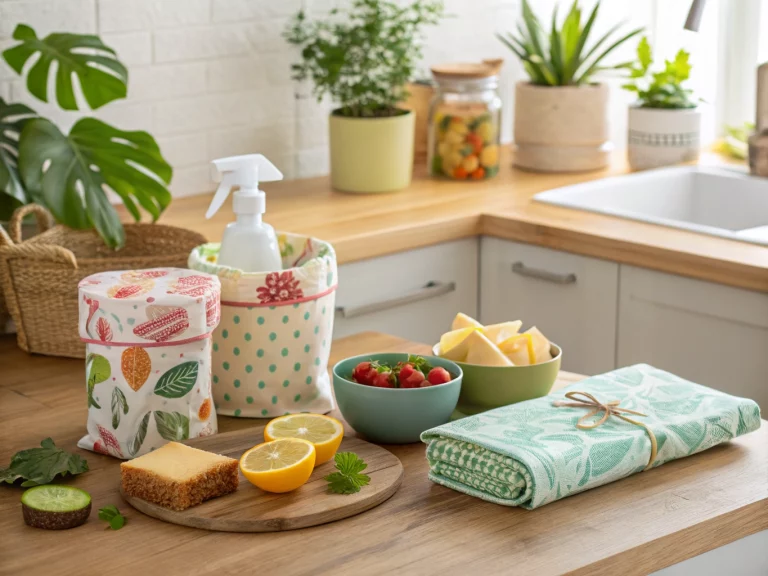
Forget cling film and single-use plastic bags. Beeswax wraps or reusable silicone food covers are excellent alternatives for keeping food fresh. Invest in good quality glass or stainless steel containers for storing leftovers.
Your Own Coffee Cup and Water Bottle
This is a simple one, but so effective. Carrying your own reusable coffee cup means saying no to disposable ones every time you grab a coffee. Similarly, a good water bottle means you never have to buy single-use plastic water bottles.
Greening Your Home: Energy, Water, and What You Buy

The place you live in, your sanctuary, is another area where you can make a real difference. From the energy you use to the water you consume and the things you buy, simple changes can have a significant impact.
Energy Efficiency: Less Power, More Savings
Reducing your home’s energy consumption is good for the planet and your wallet.
Smart Heating and Cooling
A programmable thermostat can make a big difference. Ensure your home is well-insulated to prevent heat loss in winter and heat gain in summer. Regularly service your boiler and heating system.
Lighting the Way
Switch to LED light bulbs. They use significantly less energy than traditional incandescent bulbs and last much longer, meaning fewer replacements. Turn off lights when you leave a room – it sounds basic, but it’s surprisingly easy to forget.
Unplugging Devices
Many electronics consume “phantom power” even when they’re switched off but still plugged in. Unplug chargers, TVs, and computers when not in use, or use smart power strips.
Water Wisdom: Every Drop Counts
Water is a precious resource, and conserving it is crucial.
Shorter Showers
This is a classic for a reason. Reducing your shower time by even a minute or two can save a lot of water. Consider installing a low-flow showerhead.
Fixing Leaks
A dripping tap might seem minor, but it can waste a surprising amount of water over time. Fix any leaks promptly.
Water-Wise Habits
Collect rainwater for watering plants. When doing laundry, always do a full load. Consider a dual-flush toilet if you’re looking at bigger renovations.
Conscious Consumption: What You Bring In
The items you buy for your home, from furniture to cleaning products, all have an environmental footprint.
Sustainable Furnishings and Decor
Look for furniture made from recycled or sustainably sourced materials. Consider buying second-hand or antique items. When choosing new textiles, opt for organic cotton or linen.
Eco-Friendly Cleaning Products
Many conventional cleaning products contain harsh chemicals that can be harmful to both your health and the environment. Opt for natural or biodegradable cleaning solutions. You can even make your own using simple ingredients like vinegar, baking soda, and lemon juice.
Reducing Paper Use
Opt for digital bills and statements. Keep a notepad by the phone for quick notes instead of running to the printer. Reuse scrap paper for printing drafts or doodling.
Waste Reduction: Rethinking Your Rubbish

Waste is a major environmental issue. Landfills overflow, and much of what we throw away could have been reused, recycled, or composted. Rethinking your approach to waste is a cornerstone of green living.
The Power of the Four Rs: Refuse, Reduce, Reuse, Recycle
This is the mantra for waste management.
Refuse
Say no to things you don’t need. This can be as simple as refusing a plastic straw, a promotional flyer, or an unnecessary paper receipt.
Reduce
The most effective way to manage waste is to create less of it in the first place. Think about your purchasing habits – do you really need that item? Can you buy it in bulk to avoid excess packaging?
Reuse
Before you throw something away, think if it can be used again. Jars can be used for storage, old clothes can become cleaning rags, and containers can be repurposed.
Recycle
This is the last resort for many materials. Understand your local recycling guidelines to ensure you’re recycling correctly. Rinse containers to avoid contamination.
Composting: Turning Scraps into Gold
Composting is a fantastic way to divert organic waste from landfill and create valuable fertiliser for your garden.
Basic Composting at Home
You don’t need a huge garden to compost. Various composting systems are available, from simple bin composters to wormeries. You can even compost fruit and vegetable scraps, coffee grounds, and tea bags in smaller-scale systems.
What to Compost and What to Avoid
Generally, fruit and vegetable scraps, eggshells, coffee grounds, tea bags, grass clippings, and dead leaves are good for composting. Avoid meat, dairy products, oily foods, diseased plants, and pet waste.
Beyond Recycling: Upcycling and Repair
When something is no longer useful in its original form, don’t immediately discard it.
Upcycling Creative Projects
Upcycling involves transforming waste materials or unwanted products into new items of better quality or for better environmental value. Old furniture can be painted, jars can become decorative storage, and old clothes can be turned into tote bags.
Embracing Repair Culture
Instead of replacing broken items, try to repair them. Many everyday items can be fixed with a little effort or by seeking out local repair services. This not only reduces waste but also often saves you money.
Adopting an environmentally friendly lifestyle can significantly reduce your carbon footprint and promote sustainability. One effective way to contribute to a greener planet is by implementing eco-friendly cleaning practices in your home. For insightful tips on how to achieve a spotless home while being kind to the environment, you can explore this article on green cleaning. By making small changes in your cleaning routine, you can help protect our planet for future generations.
Greener Transportation: Moving Around More Sustainably
| Metrics | Data |
|---|---|
| Carbon footprint | 2.5 tonnes per year |
| Energy consumption | 15 kWh per day |
| Water usage | 100 litres per day |
| Waste production | 1.5 kg per day |
How you travel has a significant impact on your carbon footprint. Finding greener alternatives to driving alone in a petrol or diesel car is key.
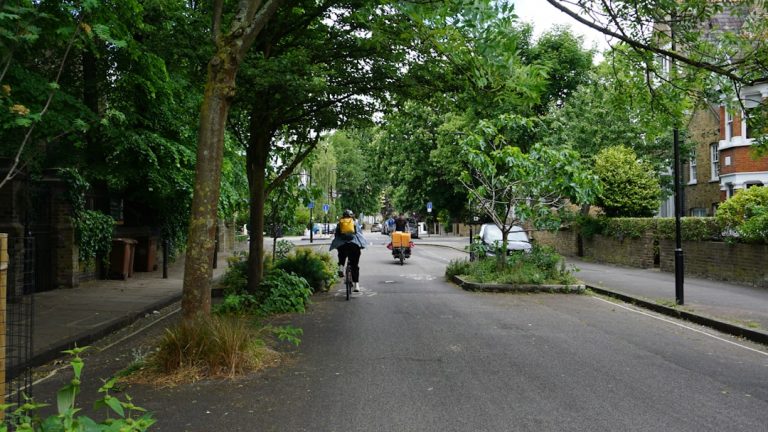
Walking and Cycling: The Ultimate Eco-Friendly Commute
These are the simplest and most direct ways to reduce your transportation emissions.
Health and Well-being Benefits
Not only are you doing your bit for the planet, but a brisk walk or a cycle ride is great for your physical and mental health. It’s a fantastic way to start the day or unwind after work.
Everyday Opportunites
Can you walk or cycle to the local shop? Could you cycle to work or part of the way? Even a few trips a week can make a difference.
Public Transport: A Collective Solution
Buses, trains, and trams are generally more energy-efficient per passenger than individual cars.
Reducing Congestion and Emissions
By using public transport, you’re helping to reduce road congestion and the overall emissions from traffic.
The Commuting Experience
Consider public transport for your daily commute. It can be a good opportunity to read, catch up on emails, or simply relax and people-watch.
Electric and Hybrid Vehicles: A Step Towards Cleaner Driving
If you need a car, then electric vehicles (EVs) and plug-in hybrids (PHEVs) are becoming increasingly viable, cleaner options.
Lower Emissions in Operation
EVs produce zero tailpipe emissions, contributing to cleaner air in urban areas. PHEVs can run on electric power for shorter journeys, reducing petrol consumption.
Charging Infrastructure and Considerations
As EVs become more common, charging infrastructure is improving. Think about where you can charge at home or work, and the availability of public charging stations.
Embracing a Green Lifestyle: It’s a Journey, Not a Destination
The most important thing to remember about green living is that it’s an ongoing process. You don’t have to do everything perfectly from day one.
Start Small and Build Momentum
Pick one or two areas that feel manageable and focus on making changes there. Once those become habits, you can gradually incorporate more. Small, consistent efforts are more sustainable in the long run than trying to do too much too soon.
Don’t Aim for Perfection, Aim for Progress
It’s okay to slip up. You might forget your reusable bag, or have a day where you can’t avoid a single-use item. The goal is to be more mindful and make conscious choices more often. Progress, not perfection, is the key.
Educate Yourself and Others
The more you learn about environmental issues and sustainable practices, the more empowered you’ll feel to make changes. Share what you learn with friends and family in a helpful, non-judgmental way.
Connect with Nature
Spending time outdoors can deepen your appreciation for the environment and inspire you to protect it. Whether it’s a walk in the park, a hike in the woods, or simply enjoying your garden, connecting with nature can be a powerful motivator for greener living.
Ultimately, embracing an eco-friendly lifestyle is about making thoughtful decisions that benefit both you and the planet. It’s about being part of a larger movement towards a more sustainable future, one small, practical step at a time. And that’s something everyone can do.