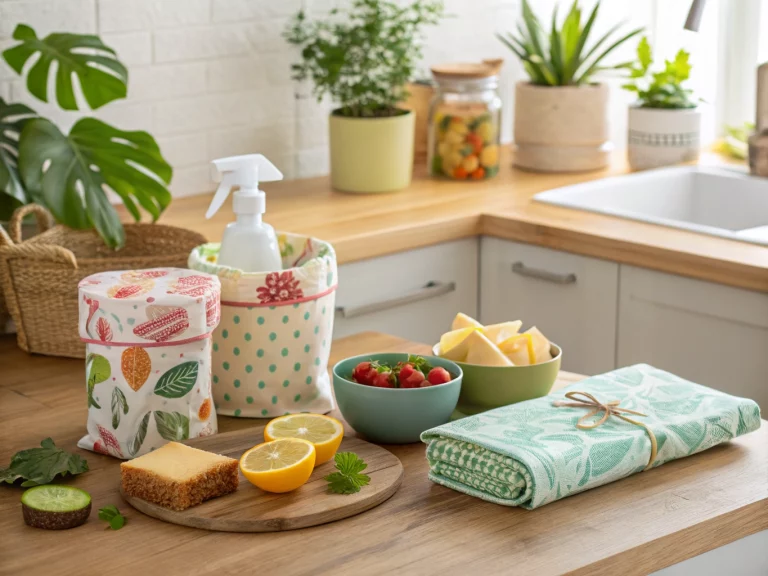
Eco-home living isn’t about grand gestures or a complete overhaul overnight; it’s really about making small, conscious choices that add up over time to create a more sustainable and environmentally friendly household. Think of it as a journey, not a destination, where each step, no matter how small, contributes to a healthier planet and often, a healthier wallet too.
At its core, eco-home living is simply adopting a lifestyle that minimises your environmental impact from within your home. It’s about reducing waste, conserving resources, and making more ethical choices about the products you bring into your life. It’s less about being perfect and more about being mindful.
Beyond Recycling: A Holistic Approach
While recycling is definitely a part of it, eco-home living goes much further. It encompasses everything from the energy you use to the food you eat, the chemicals you clean with, and even the materials your home is built from. It’s a holistic view of your home and its place in the wider ecosystem.
Why Bother? The Benefits Are Tangible
There are multiple reasons to embrace this way of living. Yes, you’re helping the planet, but there are direct benefits for you too. Often, it leads to saving money on bills, improving your indoor air quality, and even fostering a greater connection with your local community. It’s a win-win, really.
For those interested in enhancing their eco home living experience, a related article on maximising energy efficiency through attic insulation can provide valuable insights. By implementing effective insulation strategies, homeowners can significantly reduce their energy consumption and lower their carbon footprint. To learn more about this essential aspect of sustainable living, you can read the article here: Maximise Energy Efficiency with Attic Insulation.
Energy Efficiency: Powering Down Sensibly
A big part of an eco-home is how you manage your energy consumption. It’s not just about switching off lights; it’s about understanding where your energy goes and finding smarter ways to use less of it.
Understanding Your Energy Use
Before you can cut down, it helps to know what you’re currently using. Your energy bills are a great starting point. Many providers now offer detailed breakdowns of your usage, which can be eye-opening.
Smart Habits, Big Impact
- Mindful Lighting: This is classic, but still relevant. Turn off lights when you leave a room. Maximise natural daylight wherever possible. Consider task lighting instead of illuminating an entire space.
- Phantom Power Patrol: Those little red lights on your appliances? They’re still drawing power, even when turned off. Unplug chargers and electronics when not in use, or invest in smart plugs to cut power completely.
- Temperature Taming: Small adjustments to your thermostat can make a huge difference. A degree or two lower in winter and higher in summer won’t usually affect your comfort much, but it can significantly reduce your heating and cooling costs.
- Optimise Appliances: Run washing machines and dishwashers only when full, and at lower temperatures where possible. Many appliances have eco-modes that use less energy.
Upgrading for Efficiency
- Insulation Matters: A well-insulated home is a warm home in winter and a cool one in summer, without relying as heavily on heating and air conditioning. Look into loft insulation, cavity wall insulation, and even draught proofing doors and windows.
- Window Wisdom: Double glazing is a standard now, but if you have older windows, upgrading can dramatically improve your home’s thermal efficiency. Secondary glazing is a good option if full replacement isn’t feasible.
- Appliance Age & Rating: When an old appliance finally gives up the ghost, look for new ones with high energy efficiency ratings (A+++ is best). While upfront costs might be higher, the savings on your energy bills usually make it worthwhile in the long run.
- Renewable Energy Exploration: This is a bigger step, but worth considering. Solar panels (photovoltaic for electricity, thermal for hot water) can significantly reduce your reliance on grid electricity and even earn you money through feed-in tariffs in some areas. Heat pumps are another increasingly popular option for heating.
Waste Reduction: A Mindset Shift
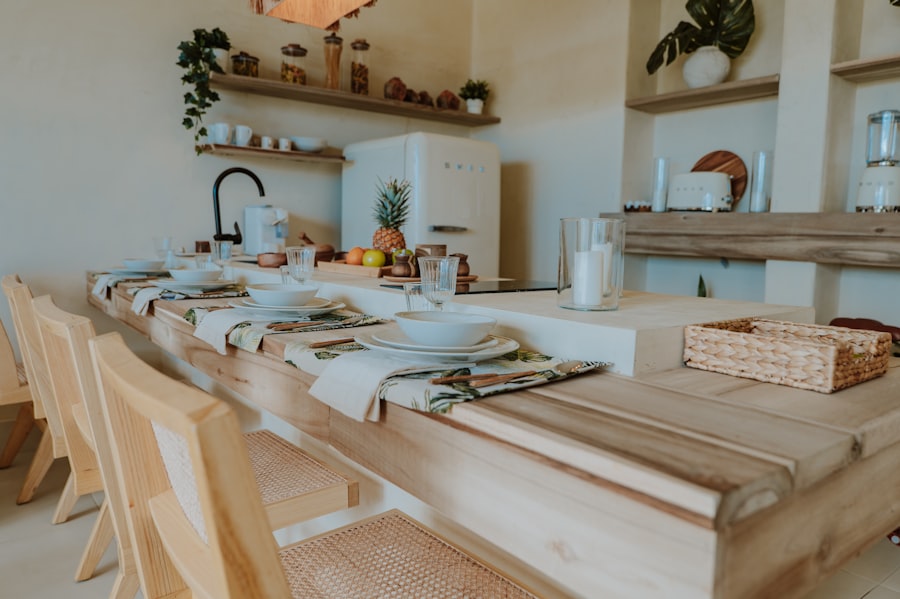
Dealing with waste is more than just having the right bins. It’s about preventing waste from happening in the first place, rethinking our consumption habits, and finding creative ways to reuse items.
The Five R’s: A Guiding Principle
You’ve probably heard of “Reduce, Reuse, Recycle.” Let’s expand that a little to be more comprehensive:
- Refuse: This is perhaps the most powerful R. Say no to things you don’t need or that come with excessive packaging. Think freebies, single-use plastics, and unsolicited junk mail.
- Reduce: Buy less stuff. It sounds simple, but it requires a conscious effort in our consumer-driven society. Assess whether you truly need something before buying it.
- Reuse: Before you throw something away, consider whether it has another life. Can that old jar become a storage container? Can clothes be mended or repurposed as cleaning rags?
- Rot (Compost): A significant portion of household waste is organic. Composting food scraps and garden waste turns them into valuable soil enrichment, diverting them from landfill.
- Recycle: Once you’ve gone through the other R’s, then it’s time to recycle what’s left. Understand your local council’s recycling rules; they can vary significantly.
Kitchen & Food Waste: A Major Culprit
- Meal Planning: Planning your meals reduces impulse buying and ensures you only buy what you’ll use, cutting down on food waste.
- Smart Storage: Knowing how to properly store fresh produce can extend its life considerably. Herbs in a glass of water, produce in the right drawer, etc.
- Batch Cooking & Freezing: Cook larger portions and freeze individual meals for later. This saves time and prevents ingredients from going bad.
- Composting: As mentioned, a food waste caddy for your compost bin is an absolute game-changer. It’s incredible how much less goes into the main bin when you start composting.
- “Use It Up” Mentality: Get creative with leftovers! Stale bread becomes croutons, vegetable scraps become stock.
Beyond the Kitchen
- Shopping Smarter: Bring your own reusable bags, produce bags, and even containers for deli items or bulk goods. Look for products with minimal or recyclable packaging.
- Repair, Don’t Replace: Before buying new, see if something can be fixed. Many communities have “Repair Cafes” where volunteers help mend broken items.
- Donating & Selling: Unwanted items that are still in good condition can be donated to charity shops or sold online, giving them a new lease of life.
- DIY Cleaning Products: Many common household cleaners can be made with simple, natural ingredients like vinegar, bicarb, and lemon juice, reducing plastic waste and exposure to harsh chemicals.
Water Conservation: Every Drop Counts
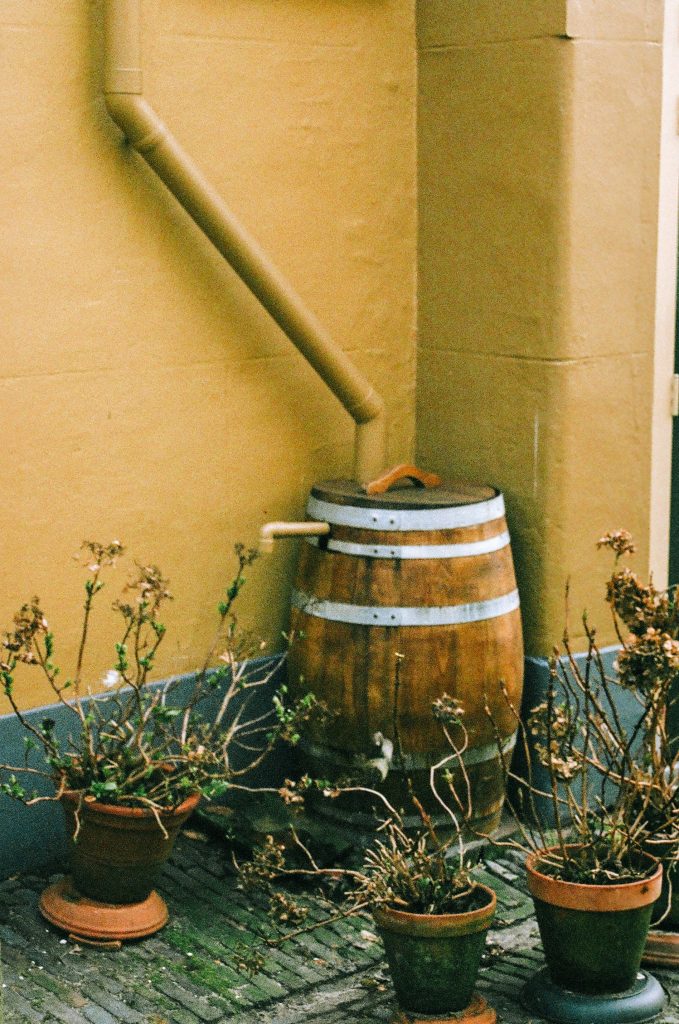
Water is a precious resource, and while it might not always feel like it in the UK, conserving it is crucial. Small changes in our daily habits can lead to substantial savings.
Daily Habits that Make a Difference
- Shorter Showers: Aim for quick showers instead of long baths. Consider a timer if you struggle to keep track.
- Turning Off the Tap: While brushing teeth, shaving, or washing dishes, turn off the tap. It’s a simple habit that saves litres.
- Full Loads Only: Like washing machines, dishwashers are most efficient when fully loaded.
- Watering Wisely: If you have a garden, water plants in the early morning or late evening to minimise evaporation. Use a watering can rather than a hosepipe.
- Check for Leaks: A dripping tap or a constantly running toilet can waste an astonishing amount of water over time. Fix them promptly.
Upgrading for Water Efficiency
- Low-Flow Fixtures: When renovating or replacing taps and showerheads, opt for low-flow models. They maintain good pressure but use significantly less water.
- Dual-Flush Toilets: These offer different flush volumes for liquid and solid waste, saving water with every flush.
- Rainwater Harvesting: For keen gardeners, installing a water butt to collect rainwater from your roof is a fantastic way to get free, chemical-free water for your plants.
- Greywater Systems: This is a more advanced option, where water from sinks and showers (greywater) is filtered and reused for non-potable uses like flushing toilets or garden irrigation.
For those interested in enhancing their eco home living experience, exploring energy-efficient lighting options can significantly reduce both costs and environmental impact. A great resource on this topic is the article on cutting home lighting costs, which provides practical tips and insights for making smarter choices. You can read more about it in this informative piece here. By implementing these strategies, you can create a more sustainable living space while also enjoying the benefits of lower energy bills.
Mindful Consumption & Green Products: Shopping with Purpose
| Aspect | Metric |
|---|---|
| Energy Efficiency | Use of renewable energy sources |
| Water Conservation | Low-flow fixtures and rainwater harvesting |
| Waste Management | Composting and recycling systems |
| Sustainable Materials | Use of recycled or locally sourced materials |
| Indoor Air Quality | Natural ventilation and non-toxic materials |
Being an eco-conscious consumer means looking beyond the price tag and considering the entire lifecycle of a product. It’s about supporting businesses that align with your values and choosing items that are kind to the planet and your health.
What to Look For
- Durability and Quality: Investing in well-made items that last longer reduces the need for frequent replacements, saving resources and money in the long run.
- Ethical Sourcing: Does a product’s origin and production process align with your values? Look for fair trade certifications, sustainable forestry (FSC), and cruelty-free labels.
- Minimal/Recyclable Packaging: As discussed in waste reduction, choose products with little or no plastic packaging, or packaging that can be easily recycled or composted.
- Non-Toxic Ingredients: Especially for cleaning products and personal care items, look for natural, biodegradable ingredients. Avoid harsh chemicals that can pollute waterways and affect indoor air quality.
- Second-Hand First: Before buying new, check out charity shops, online marketplaces, and vintage stores. You can often find fantastic quality items at a fraction of the cost, reducing demand for new production.
Specific Product Swaps
- Cleaning Products: Ditch chemical-laden sprays for DIY solutions (vinegar, bicarb), or opt for eco-friendly brands with plant-based ingredients and refill options.
- Personal Care:
- Solid Bars: Shampoo and conditioner bars eliminate plastic bottles.
- Reusable Wipes/Pads: Switch from disposable make-up remover wipes and cotton pads to reusable ones.
- Bamboo Toothbrushes: A small but impactful swap for plastic.
- Kitchen Essentials:
- Reusable Food Wraps: Beeswax wraps or silicone covers instead of cling film.
- Kitchen Cloths: Replace paper towels with washable cloths.
- Reusable Coffee Cups & Water Bottles: An obvious but essential daily habit.
- Clothing & Textiles:
- Natural Fibres: Prioritise organic cotton, linen, hemp, and wool, which generally have a lower environmental impact than synthetics.
- Buy Less, Choose Well: Invest in versatile, timeless pieces that you’ll wear often and for a long time.
- Care for Your Clothes: Proper washing and drying can extend the life of your garments.
Creating a Healthier Indoor Environment: Breathe Easy
Eco-home living isn’t just about the planet; it’s also about creating a healthier and more comfortable living space for you and your family. Many sustainable practices directly contribute to this.
Air Quality Matters
- Ventilation: Regularly open windows to air out your home, especially after cooking or cleaning. This helps clear out pollutants and reduce humidity.
- Natural Cleaning Products: As mentioned, avoiding harsh chemical cleaners improves indoor air quality significantly.
- Houseplants: Certain houseplants are excellent at filtering common indoor air pollutants. Spider plants, peace lilies, and snake plants are good choices.
- Low-VOC Paints & Finishes: When decorating or renovating, choose paints, varnishes, and adhesives with low or zero Volatile Organic Compounds (VOCs) to avoid off-gassing harmful chemicals.
- Dust Control: Regularly dusting and vacuuming (with a HEPA filter) reduces allergens and other particulates in the air.
Natural Materials & Comfort
- Sustainable Furniture: Look for furniture made from responsibly sourced wood (FSC certified), recycled materials, or natural fibres. Avoid items made with chipboard or MDF that can off-gas formaldehyde.
- Natural Textiles: For bedding, curtains, and upholstery, choose natural fibres like organic cotton, linen, wool, and hemp. These are often more breathable and free from synthetic chemicals.
- Minimising Synthetics: While practical in some applications, reducing your overall reliance on synthetic materials can contribute to a healthier home environment, as they can shed microplastics and off-gas chemicals.
- The Power of Light: Maximise natural light for both energy savings and mood. Studies show that ample natural light improves well-being.
- Temperature Regulation: A well-insulated home, combined with smart ventilation and shading practices, helps maintain a comfortable indoor temperature naturally, reducing reliance on artificial heating and cooling.
Getting Started: It’s a Journey
Embracing eco-home living can feel overwhelming at first, but remember, every small step counts. You don’t have to overhaul your entire lifestyle overnight. Pick one or two areas that resonate with you or feel most achievable, and start there.
Perhaps it’s reducing food waste, or finally getting that water butt installed. Maybe it’s swapping to eco-friendly cleaning products as your old ones run out.
The key is consistency and a willingness to learn and adapt. Share your journey with family and friends, exchange tips, and celebrate your successes. Over time, you’ll find that these small, conscious choices become second nature, leading to a home that’s not only kinder to the planet but also a healthier, more sustainable, and often more cost-effective place to live. It’s a continuous process of learning, adjusting, and making better choices, one mindful step at a time.