Living a life that’s kinder to the planet often feels a bit overwhelming, doesn’t it? But at its heart, ‘eco-living’ simply means making choices that reduce your negative impact on the environment. It’s about being more mindful of what we consume, how we travel, and the resources we use, with the goal of living sustainably. This isn’t about perfection; it’s about making gradual, practical changes that, when added up, make a real difference.
Our homes are where we spend a significant chunk of our lives, and they offer countless opportunities to embrace more sustainable practices. Think of it as a low-hanging fruit for eco-friendly living.
Energy Efficiency: More Than Just Turning Off Lights
It goes without saying that switching off lights and unplugging chargers is a good start. But let’s dig a bit deeper.
Smart Thermostats and Insulation
Investing in a smart thermostat can genuinely cut down on your heating and cooling bills by learning your habits and optimising temperatures. Combine this with good insulation – think draught excluders for doors and windows, loft insulation, or even cavity wall insulation if your home allows – and you’ll see a noticeable impact. It’s about keeping the warmth in during winter and the heat out during summer, reducing the need for excessive energy use.
Renewable Energy Sources
For those looking for a bigger step, consider exploring renewable energy. Solar panels, for instance, can significantly reduce your reliance on the national grid and, over time, pay for themselves. It’s an upfront investment, but the long-term environmental and financial benefits are substantial. Even if you can’t install panels, many energy suppliers now offer green tariffs, ensuring the electricity you use comes from renewable sources. It’s worth a quick check to see if your current supplier offers one, or if there’s a better option out there.
Managing Waste: Reduce, Reuse, Recycle, Rot
The mantra “reduce, reuse, recycle” is a classic for a reason. But let’s add “rot” to that, because composting is a superpower.
Reducing Consumption
The most effective way to manage waste is to create less of it in the first place. Before buying something new, ask yourself if you truly need it. Can you borrow it instead? Repair what you have? Or buy second-hand? This mindset shift can drastically cut down on packaging waste and the resources used in manufacturing new goods.
Reusing and Upcycling
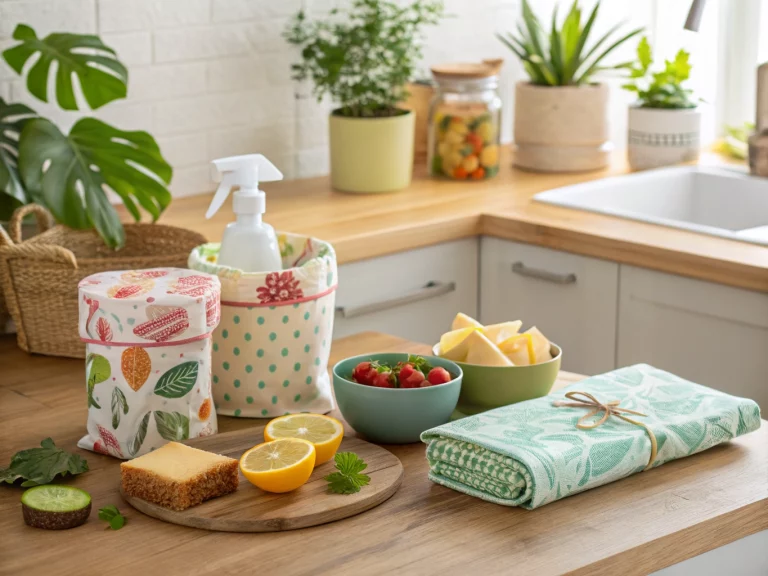
Get creative! Old glass jars make perfect storage for pantry items. Worn-out clothes can be turned into cleaning rags. Unwanted furniture can be upcycled with a bit of paint and imagination. Think beyond the item’s original purpose and you’ll find plenty of opportunities to keep things out of landfill.
Recycling Effectively
Understand your local council’s recycling guidelines. What plastics are accepted? Can you recycle glass? Are aerosols taken? A quick look at your council’s website can clear up a lot of confusion and ensure your efforts aren’t wasted. Rinse containers, squish bottles, and separate materials properly.
Composting Food and Garden Waste
Food waste and garden clippings sent to landfill produce methane, a potent greenhouse gas. Composting, whether in a dedicated bin in your garden or through a local council scheme for food waste, turns this organic matter into nutrient-rich soil. It’s a fantastic way to nourish your garden while significantly reducing your waste footprint.
For those interested in enhancing their eco-friendly lifestyle, a related article on efficient floor insulation can provide valuable insights into maintaining a warm and sustainable home. You can read more about this topic in the article titled “Efficient Floor Insulation for a Warm Home” available at this link. Implementing effective insulation techniques not only contributes to energy efficiency but also helps reduce your carbon footprint, making it a crucial aspect of eco living.
Your Plate: Eating for a Healthier Planet
The food we eat has a massive environmental impact, from how it’s grown to how it travels to our plates. Making conscious choices here can be incredibly powerful.
Plant-Based Eating: Not All or Nothing
You don’t have to become a strict vegan overnight (unless you want to!). Even reducing your meat and dairy consumption can make a big difference.
Meat-Free Days
Try introducing one or two meat-free days into your week. Many delicious plant-based recipes are readily available, and you might discover some new favourite meals. The livestock industry is a significant contributor to greenhouse gas emissions and land use, so even small cuts can add up.
Sustainable Sourcing
When you do eat meat or dairy, try to source it sustainably. Look for pasture-raised, organic, or local options. These often have a smaller environmental footprint and are produced with better animal welfare standards.
Reducing Food Waste: Every Scraps Counts
Globally, a huge amount of food is wasted, and this has significant environmental and economic costs.
Meal Planning and Shopping Smart
Plan your meals for the week and make a shopping list. Stick to it! This helps avoid impulse purchases and ensures you only buy what you need, reducing the likelihood of food going off before you can eat it.
Proper Storage
Understand how to store different foods to extend their shelf life. For example, keeping certain fruits and vegetables separate, or storing herbs correctly. Freezing leftovers or bulk-bought goods is also an excellent way to prevent waste.
Using Leftovers Creatively
Don’t let those last bits go to waste. Leftover roast vegetables can become a soup or a frittata. Stale bread can be turned into croutons or breadcrumbs. Embrace the art of creative leftover cooking!
Your Wardrobe: Sustainable Fashion Choices
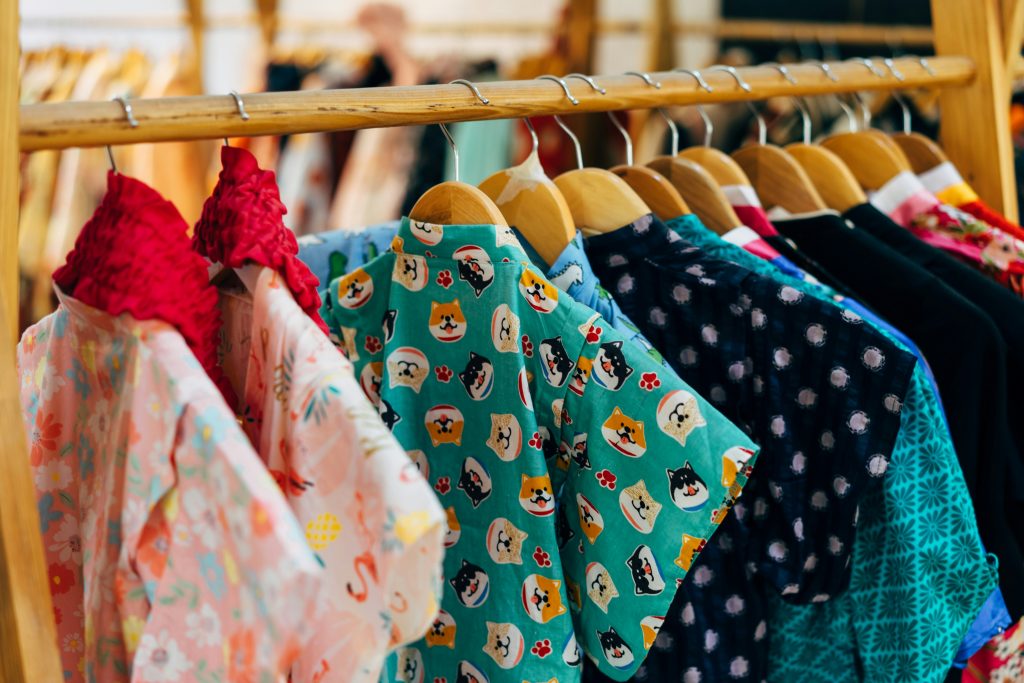
The fashion industry has a considerable environmental and social impact, from water usage and chemical pollution to textile waste. Being more mindful of our clothes can help.
Buying Less, Choosing Well
Fast fashion encourages constant consumption, but a more sustainable approach focuses on quality over quantity.
Investing in Durability
Instead of buying cheap, disposable clothes, invest in well-made pieces that will last for years. This often means spending a bit more upfront, but it pays off in the long run both for your wallet and the planet. Look for durable fabrics and good craftsmanship.
Timeless Styles
Opt for classic, versatile styles that won’t go out of fashion quickly. Building a capsule wardrobe of pieces that can be mixed and matched creates more outfit options with fewer items.
Embracing Second-Hand and Vintage
The most sustainable item of clothing is often one that already exists.
Charity Shops and Online Marketplaces
Exploring charity shops, vintage boutiques, or online platforms like Vinted and eBay is a fantastic way to find unique pieces and give clothes a second life. It’s often cheaper, too!
Clothing Swaps
Organise or join a clothing swap with friends. It’s a fun, free way to refresh your wardrobe without buying anything new, and it helps circulate items that might otherwise be discarded.
Caring for Your Clothes
Proper care can significantly extend the life of your garments.
Washing at Lower Temperatures
Most clothes clean perfectly well at 30 degrees Celsius or even 20 degrees. This saves energy and is gentler on your clothes, helping them last longer.
Air Drying
Where possible, air dry your clothes instead of using a tumble dryer. Tumble dryers are energy intensive and can damage fabrics over time.
Repairing and Mending
Don’t throw away an item just because of a small tear or a missing button. Learn basic mending skills, or take it to a tailor. Small repairs can save perfectly good clothes from landfill.
Your Travel: Greener Journeys

How we get from A to B contributes significantly to our carbon footprint. Re-evaluating our travel habits can lead to substantial environmental benefits.
Active Travel and Public Transport
Whenever possible, these are your best bets for eco-friendly commuting.
Walking and Cycling
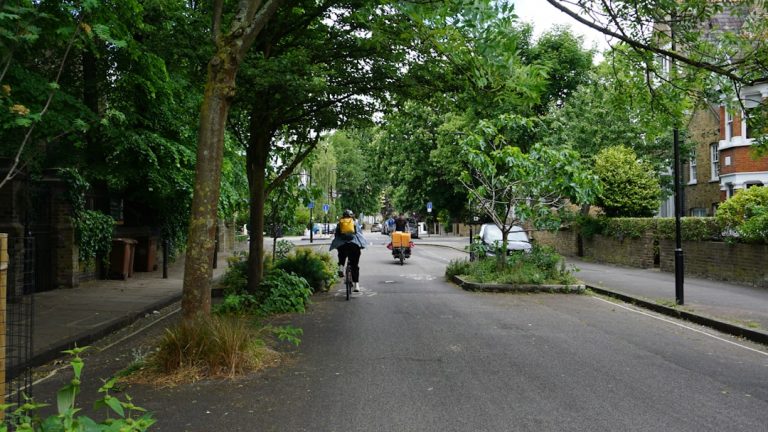
For shorter distances, walking and cycling are not only zero-emission but also great for your health. Consider cycling to work or school, or walking for errands.
Utilising Public Transport
Buses, trains, and trams are far more efficient per passenger than individual cars. If driving is your default, explore public transport routes for your regular journeys.
Car Sharing and Electric Vehicles
If a car is necessary, there are ways to make its use more sustainable.
Carpooling
Share rides with colleagues or friends. This reduces the number of cars on the road, cutting down on emissions and traffic.
Considering Electric or Hybrid Vehicles
If you’re in the market for a new car, look into electric or hybrid models. While there’s an environmental cost to manufacturing these vehicles, their operational emissions are significantly lower, especially if powered by renewable energy.
Mindful Flying
Air travel is highly carbon-intensive, so it’s worth thinking about your flying habits.
Reducing Frequency
Can you replace some trips with video calls? Or choose a domestic train journey over a short-haul flight?
Carbon Offsetting (with caution)
If you must fly, some airlines or third-party organisations offer carbon offsetting schemes. While these can help fund environmental projects, it’s generally agreed that reducing flights in the first place is the most effective approach. Treat offsetting as a last resort, not a green light for unlimited travel.
For those looking to enhance their eco-living practices, a recent article on efficient home energy offers valuable insights into maximising savings while reducing your carbon footprint. By implementing simple changes, you can significantly lower your energy consumption and contribute to a more sustainable lifestyle. To explore these strategies further, you can read the full article here.
Your Community: Collective Action
| Category | Metric | Value |
|---|---|---|
| Energy | Electricity Usage | 200 kWh/month |
| Water | Water Consumption | 100 litres/day |
| Waste | Recycling Rate | 70% |
| Transport | Carbon Emissions | 2.5 tonnes/year |
While individual actions are crucial, engaging with your wider community amplifies your impact.
Supporting Local Businesses
Local businesses often have a smaller supply chain, reducing transportation emissions. They also tend to be more invested in the community and may source goods more sustainably. By supporting them, you’re not just getting a product or service; you’re often supporting a more sustainable local economy. Look for local markets, independent shops, and community initiatives.
Advocating for Change
Don’t underestimate the power of your voice.
Engaging with Local Councils
Tell your local council what matters to you. Advocate for better recycling facilities, more green spaces, improved public transport, or stricter environmental policies. Attending council meetings or writing letters can make a difference.
Supporting Environmental Organisations
Consider donating to or volunteering with environmental charities. These organisations often work on larger-scale projects that drive systemic change, from policy advocacy to conservation efforts. Even a small contribution can help.
Sharing Your Journey
Talk about your eco-living efforts with friends and family. Share tips, discuss challenges, and celebrate successes. When more people see others making sustainable choices, it normalises the behaviour and encourages wider adoption. You might inspire someone to make their own changes, creating a ripple effect.
Embracing eco-living isn’t about being perfect; it’s about being purposeful. It’s a continuous journey of learning and adjusting, finding what works for you and your circumstances. Each small step you take contributes to a bigger, healthier picture for our planet. So, pick one area, make a change, and see where your sustainable journey takes you.