So, you’re curious about this “living eco lifestyle” thing, eh? It sounds a bit grand, doesn’t it? But really, it’s not about living in a yurt and foraging for berries (unless that’s your jam, of course!). At its core, embracing a living eco lifestyle is about making conscious choices that tread a little lighter on our planet, day in and day out. It’s about finding practical ways to reduce your waste, consume more thoughtfully, and generally connect with the natural world around you. Think less about drastic overhauls and more about small, manageable shifts that add up. It’s a journey, not a destination, and the beauty of it is, it can be tailored to fit your life, not the other way around.
Forget the idea of a perfect, unattainable ideal. A “living” eco lifestyle is adaptable, flexible, and acknowledges that we all have different circumstances. It’s about progress, not perfection.
It’s About Progress, Not Perfection
We’re all just doing our best, and that’s perfectly okay. There will be days when you forget your reusable shopping bag or fall back on a single-use item out of sheer convenience. Instead of beating yourself up, view these moments as learning opportunities. The goal is to make more mindful choices more often, not to achieve flawlessness. This mindset shift is crucial. Obsessing over minor slip-ups can lead to burnout and abandonment of the entire endeavor. It’s about building sustainable habits, and habits take time and a bit of gentle persistence. Think of it like learning to cook; you wouldn’t expect your first attempt at a roast to be Michelin-star worthy, would you? It’s about practice, refinement, and enjoying the process of getting better.
Tailoring it to Your Life
Your version of an eco lifestyle will look different from someone else’s, and that’s exactly how it should be. Don’t compare yourself to the perfectly curated Instagram feeds of eco-influencers. Focus on what’s realistic and achievable for you. Do you live in a tiny flat with no garden? Then perhaps your focus will be on reducing food waste and opting for sustainable fashion. Do you have a large family and a busy work schedule? Then maybe you’ll prioritize energy efficiency at home and bulk buying to reduce packaging. The key is to identify areas where you can make a positive impact without overwhelming yourself. Start with one or two changes that feel manageable, and build from there.
For those looking to maintain an eco-friendly home, you might find the article on DIY hardwood floor cleaner particularly useful. It offers a simple and effective homemade solution to keep your floors shining without the use of harsh chemicals. You can read more about it in this related article.
Rethinking Your Kitchen: Beyond the Bin
Our kitchens are often hubs of consumption and, consequently, waste. Making some simple adjustments here can have a significant ripple effect.
Tackling Food Waste Head-On
This is a big one for most households. Food waste isn’t just about chucking leftovers; it’s about everything from overbuying to letting produce go off in the fridge.
Smart Shopping Strategies
A well-planned shopping list is your first line of defence. Before you even leave the house, take stock of what you actually have. Get creative with what’s already in your pantry and fridge. Think about how you can use up wilting vegetables in soups, stews, or frittatas. Prioritize buying items you know you’ll use; bulk buying can be great for staples, but only if you have the storage and intention to use them before they spoil. Consider what’s in season – not only is it usually cheaper and tastier, but it also has a lower environmental footprint because it hasn’t travelled as far. Visit local markets for fresh produce; you can often buy exactly what you need, reducing the likelihood of overbuying.
Fridge and Pantry Organisation
A tidy fridge and pantry are your allies in the fight against food waste. Invest in some good quality, clear storage containers. This allows you to see what you have at a glance, preventing items from getting lost and forgotten at the back. The “first in, first out” principle is your friend here. Place older items towards the front so they get used first. Learn the “eat me first” box – a dedicated space in your fridge for items that need to be consumed soon. This visibility is surprisingly effective.
Creative Leftover Cuisine
Don’t just reheat yesterday’s dinner (though that’s fine too!). Think of leftovers as ingredients for new meals. Roast chicken can become the base for chicken pies, sandwiches, or a hearty salad. Vegetable scraps can form the foundation of a flavourful stock. Stale bread can be transformed into croutons, breadcrumbs, or French toast. There are countless recipes and websites dedicated to creatively using up leftovers. Embrace the challenge; it can lead to some delicious culinary discoveries!
Saying Goodbye to Single-Use Plastics
The kitchen is a prime spot for single-use plastics, from cling film to disposable food bags. There are plenty of practical alternatives.
Reusable Food Wraps and Containers
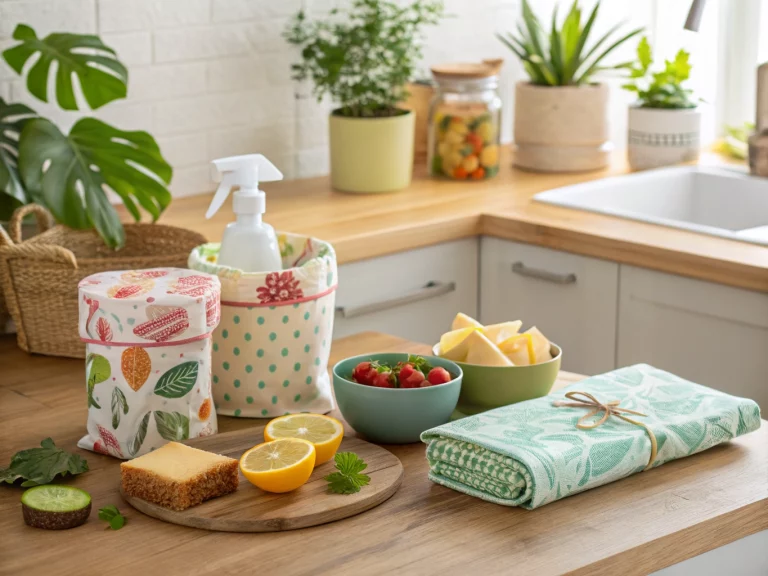
Beeswax wraps are a fantastic and popular alternative to cling film. They’re mouldable with the warmth of your hands and can be used to cover bowls, wrap sandwiches, or store cheeses. Wash them with cool water and mild soap, and they’ll last for ages. For storing leftovers or prepped ingredients, glass or stainless-steel containers are excellent choices. They’re durable, don’t leach chemicals into your food, and are easy to clean. Silicone food bags are also a good option for snacks or freezing.
Bulk Buying and Refill Stations
Many supermarkets and independent shops now offer bulk sections where you can buy staples like rice, pasta, nuts, and grains directly into your own containers or reusable bags. This drastically cuts down on packaging waste. Look for refill stations for things like cleaning products, washing-up liquid, and even some toiletries. It requires a bit more planning, but the environmental payoff is substantial. Bring your own labelled jars and bottles and fill ’em up!
Greening Your Cleaning Routine
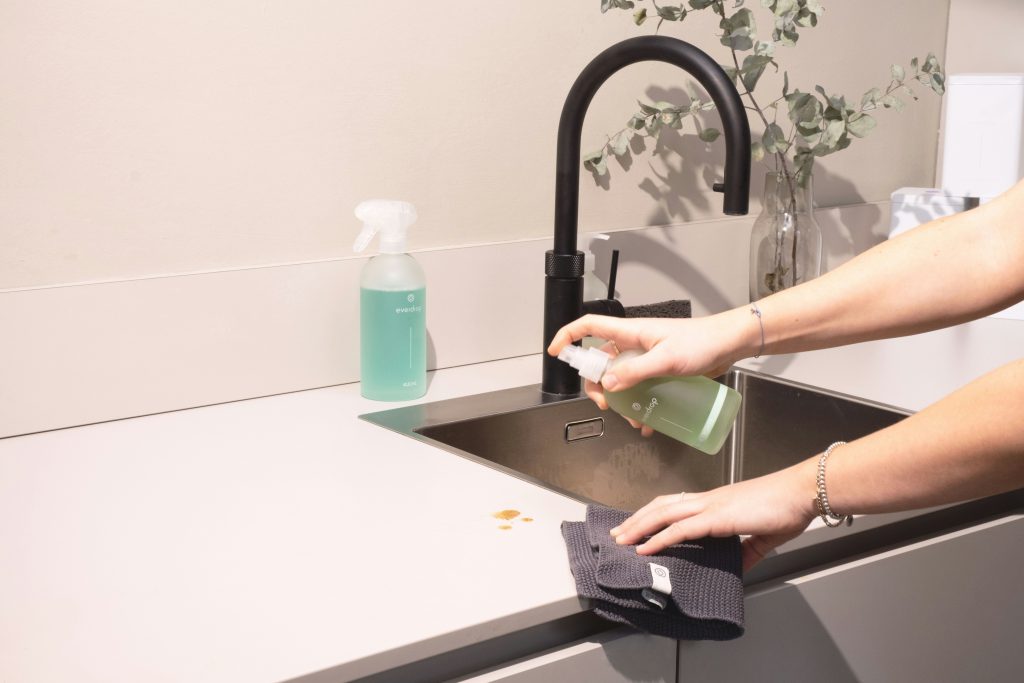
The products we use to keep our homes clean can have a surprising impact on the environment, both in terms of their ingredients and their packaging.
Sustainable and Natural Cleaning Solutions
You don’t need a cupboard overflowing with chemical-laden cleaners to get a sparkling home. Many effective and eco-friendly cleaning solutions can be made with simple, natural ingredients.
The Power of Vinegar, Bicarbonate of Soda, and Lemon
White vinegar is a powerhouse for descaling, disinfecting, and degreasing. Diluted with water, it’s a great all-purpose spray for surfaces. Bicarbonate of soda (baking soda) is a fantastic abrasive for scrubbing, a deodorizer, and can even help lift tough stains. A paste of bicarb and water can work wonders on sinks and ovens. Lemon juice is a natural bleach and can cut through grease. Its fresh scent is a bonus too. Together, these three can tackle most cleaning jobs with minimal fuss and environmental cost.
Choosing Eco-Friendly Brands
If making your own solutions isn’t for you, there are many excellent brands on the market that offer environmentally conscious cleaning products. Look for those with biodegradable ingredients, minimal or recycled packaging, and certifications like “Ecocert” or “Leaping Bunny” (cruelty-free). Read the labels carefully and be wary of “greenwashing” – marketing claims that are misleading about a product’s environmental credentials.
Reducing Water and Energy Consumption During Cleaning
Even your cleaning habits can be more eco-friendly.
Mindful Washing-Up and Dishwasher Use
When washing up by hand, don’t leave the tap running unnecessarily. Fill one sink or a basin with hot, soapy water and another with rinse water. For dishwashers, only run them when they’re full. Modern dishwashers are surprisingly water and energy efficient, often using less than washing up by hand, especially if you’re prone to letting the tap run. Scrape food scraps off plates rather than rinsing them before loading the dishwasher.
Microplastic-Free Laundry
Synthetic clothing often sheds tiny plastic fibres, known as microplastics, during washing. These end up in our waterways and oceans. Consider washing synthetic garments less frequently, or using a Guppyfriend washing bag, which traps microfibres. Investing in natural fibres like cotton, linen, or wool when you can also helps reduce microplastic pollution.
Sustainable Fashion: Beyond Fast Trends

The fashion industry has a significant environmental footprint. Shifting towards more sustainable choices can make a difference.
The Problem with Fast Fashion
Fast fashion thrives on cheap, rapidly produced clothing designed to be worn a few times before being discarded. This model encourages overconsumption and generates massive amounts of textile waste.
Understanding the Impact
From the water-intensive cultivation of cotton to the chemical dyes used in production and the landfill waste generated by discarded garments, fast fashion has a far-reaching environmental cost. The carbon emissions associated with manufacturing and transporting these clothes are also considerable. It’s a system that often exploits workers and the environment for the sake of fleeting trends.
Embracing a More Conscious Wardrobe
This isn’t about discarding your entire wardrobe; it’s about making more mindful decisions moving forward.
Buying Less, Choosing Well
The most sustainable garment is often the one you already own. Before buying something new, ask yourself if you truly need it and if you’ll wear it for a significant amount of time. Invest in quality pieces that are made to last, rather than impulse buys of trendy items. This philosophy of “buy less, choose well, and make it last” is central to a sustainable wardrobe.
Secondhand and Vintage Treasures
Charity shops, vintage stores, and online resale platforms are goldmines for finding unique and affordable clothing. Buying secondhand gives garments a new lease of life, diverting them from landfill and reducing the demand for new production. It’s also a fantastic way to find quality pieces at a fraction of the original price. Don’t be afraid to rummage; you never know what hidden gems you might unearth!
Repair and Upcycling
Don’t discard clothing with minor damage. Learning basic sewing skills to repair a small tear or replace a button can extend the life of your garments significantly. Upcycling – transforming old clothes into something new – is another creative way to give items a second chance. Old jeans can become shorts or a tote bag; t-shirts can be turned into cleaning rags or crafted into new tops.
For those looking to embrace a more sustainable lifestyle, exploring organic gardening techniques can be a fantastic way to start. By implementing eco-friendly practices in your garden, you not only contribute to a healthier environment but also enjoy the benefits of growing your own produce. A great resource for this is an article that delves into various sustainable practices for a greener garden, which you can find here. This guide offers valuable insights that can help you cultivate a thriving garden while minimising your ecological footprint.
Bringing Nature In: Simple Ways to Connect
“`html
| Category | Metric |
|---|---|
| Energy | Renewable energy usage |
| Transport | Public transport usage |
| Waste | Recycling rate |
| Water | Water conservation measures |
| Food | Organic food consumption |
“`
An eco lifestyle isn’t just about reducing harm; it’s also about actively appreciating and engaging with the natural world.
Creating a Greener Home Environment
Even small additions of greenery can make a big difference to your living space and your well-being.
Indoor Plants: More Than Just Decor
Houseplants can improve indoor air quality by filtering out toxins and releasing oxygen. They can also boost mood and reduce stress. Choose plants that suit your light conditions and your ability to care for them; a low-maintenance succulent is just as valuable as a thriving fern.
Natural Materials and Decor
Opt for home furnishings made from natural and sustainable materials like wood, bamboo, cork, and recycled fabrics. This can create a calmer, more grounded atmosphere, and reduces the reliance on plastics and resource-intensive manufacturing.
Connecting with the Outdoors
You don’t need to live in the countryside to enjoy nature. Little moments of connection can be incredibly restorative.
Local Parks and Green Spaces
Make a conscious effort to spend time in your local parks, gardens, or any available green spaces. A simple walk, a picnic, or just sitting and observing your surroundings can be a powerful way to reconnect with the natural world.
Growing Your Own (Even a Little)
If you have a windowsill, balcony, or even just a small patch of garden, consider growing a few herbs or vegetables. The satisfaction of nurturing something from seed to harvest is immense, and it provides you with fresh, homegrown produce. Even a pot of basil on your kitchen windowsill can be a rewarding start.
The Gentle Art of Reducing Consumption
Ultimately, a core principle of an eco lifestyle is about consuming less, but doing so more thoughtfully.
Mindful Purchasing Power
Every purchase is a vote for the kind of world you want to live in.
Questioning Your Needs
Before you buy anything, pause and ask yourself: “Do I truly need this?” Often, impulse buys are driven by fleeting desires rather than genuine necessity. Consider whether you can borrow, rent, or find an alternative solution before purchasing something new.
Supporting Ethical and Sustainable Businesses
When you do need to buy, try to support businesses that prioritize ethical and sustainable practices. This might mean opting for locally sourced goods, fair-trade products, or companies with transparent supply chains and strong environmental commitments. Your money has power, so use it wisely.
Embracing a Less Materialistic Mindset
This is perhaps the most profound shift, and it’s ongoing. It’s about finding joy and fulfillment outside of accumulating more “stuff.”
Valuing Experiences Over Possessions
Often, the memories we cherish most are those associated with experiences – travel, time with loved ones, learning new skills – rather than the material items we own. Shift your focus towards creating and enjoying experiences.
The Beauty of Simplicity
There’s a certain peace and freedom that comes with a less cluttered life, both physically and mentally. Embracing simplicity allows you to focus on what truly matters, reducing stress and increasing contentment. A living eco lifestyle is a journey of mindful choices, and each small step you take contributes to a more sustainable and fulfilling way of living. It’s about finding balance, progress, and a deeper connection to the world around you.