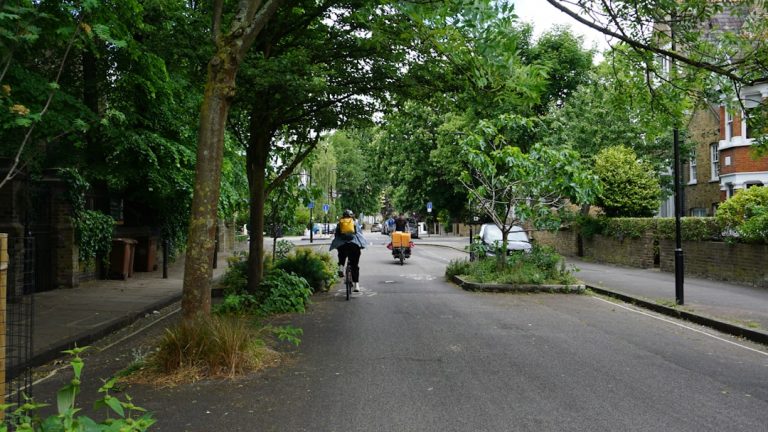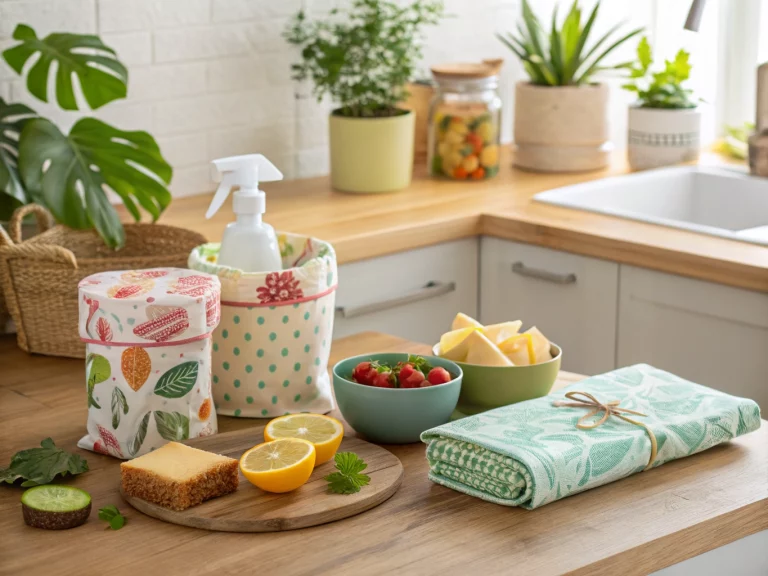
Living an eco-friendly lifestyle is all about making choices that are better for the planet and, often, for yourself. It’s not about being perfect, but about consciously reducing your environmental footprint through everyday decisions, from what you buy to how you use resources. Think of it as a journey of continuous small improvements rather than a sudden, drastic overhaul.
Before we dive into how to live more sustainably, it’s helpful to get a grasp of what exactly we’re trying to reduce: our environmental footprint. This is essentially the impact our daily lives have on the planet, encompassing everything from the carbon emissions generated by our transport to the waste we produce and the resources we consume.
What is a Carbon Footprint?
Your carbon footprint specifically measures the total greenhouse gas emissions caused directly and indirectly by your activities. This includes the CO2 released when you drive your car, heat your home, or even when you buy a new T-shirt (considering all the emissions from its production and transport). Understanding this helps pinpoint the biggest areas where you can make a difference. Websites and apps can help you calculate yours, giving you a baseline to work from.
Life Cycle Assessment (LCA)
Beyond just carbon, consider the full life cycle of products. A Life Cycle Assessment (LCA) looks at all environmental impacts from a product’s raw material extraction to its final disposal. It’s why reusable items are almost always better than single-use, even if the reusable option initially has a higher impact. Think about that coffee cup: the energy and water to make it, the chemicals used, the transport, and then its eventual end (landfill, recycling, etc.).
If you’re interested in sustainable living and want to learn more about maintaining a healthy garden, you might find this article on greenhouse pest control particularly useful. It explores various organic and eco-friendly methods to manage pests, ensuring that your gardening practices are both effective and environmentally responsible. Embracing these techniques can significantly contribute to a more sustainable lifestyle while promoting biodiversity in your garden.
Practical Steps for a Sustainable Home
Your home is a fantastic place to start making eco-conscious changes. It’s where many of our daily habits play out, and often where we have the most control.
Energy Efficiency Matters
Reducing energy consumption is one of the most impactful changes you can make. It saves money and lowers your carbon footprint significantly.
Smart Heating and Cooling
Heating and cooling typically account for a large chunk of household energy use. Invest in a smart thermostat if you haven’t already. These allow you to programme your heating to only be on when needed, and sometimes even learn your patterns. Draft-proofing windows and doors is a low-cost, high-impact fix. Consider thermal curtains in winter and airing your home strategically in summer to avoid relying on air conditioning.
Appliance Awareness
Are your appliances energy-efficient? When it’s time to replace an old fridge, washing machine, or dishwasher, look for the highest energy rating. Unplug chargers and appliances when not in use – ‘phantom load’ or ‘vampire draw’ can account for a surprising amount of wasted electricity. Even small changes, like using cooler wash cycles for laundry, add up over time.
Water Conservation at Home
Water is a precious resource, and conserving it benefits local ecosystems and reduces the energy needed for water treatment and delivery.
Efficient Fixtures
Installing low-flow showerheads and taps can drastically reduce water use without compromising performance. A quick shower uses significantly less water than a bath, and turning off the tap while brushing your teeth is a simple habit to adopt.
Greywater Systems and Rainwater Harvesting
For the more enthusiastic, consider a greywater system, which recycles water from sinks and showers for garden irrigation. Rainwater harvesting, using a butt to collect water from your downpipes, is another excellent way to supplement your garden watering and reduce reliance on treated tap water.
Mindful Consumption and Waste Reduction

Our purchasing habits and how we deal with waste have a huge environmental impact. Shifting towards conscious consumption is about making intentional choices.
The Power of “Reduce, Reuse, Recycle”
This mantra isn’t new, but its power is often underestimated. It forms the cornerstone of waste management.
Reducing First
The most effective step is reducing what we consume in the first place. Before buying something, ask yourself if you truly need it. Can you borrow it, repair an old one, or simply do without? This applies to everything from clothing to single-use plastics in your grocery shop. Choosing items with minimal packaging also falls under this category.
Reusing Creatively
Find new purposes for old items. Glass jars can become storage containers, old T-shirts can be cleaning rags, and furniture can be upcycled. Charity shops and online marketplaces are fantastic for finding pre-loved items and giving your unwanted goods a second life. Investing in reusable coffee cups, water bottles, and shopping bags are small but significant changes.
Recycling Effectively
While third in the hierarchy, recycling is still crucial. Understand your local council’s recycling guidelines – what they accept and what they don’t. Rinsing containers properly and flattening cardboard helps the process. Avoid ‘wishcycling’ (putting something in recycling hoping it might be recyclable), as this can contaminate whole batches.
Sustainable Shopping Choices
Every purchase is an opportunity to support more ethical and sustainable practices.
Local and Seasonal Produce
Buying local and seasonal food reduces ‘food miles’ (the distance food travels) and often supports local economies. Farmers’ markets are excellent for this. Seasonal produce also tends to taste better and can be more affordable.
Ethical and Durable Goods
When you do buy new, seek out products designed for longevity. Fast fashion, for example, has a devastating environmental and social impact. Look for brands committed to ethical sourcing, fair labour practices, and durable materials. Consider second-hand for clothing, electronics, and even cars.
Sustainable Travel and Transport
How we get around contributes significantly to our environmental footprint. Rethinking our travel habits can lead to substantial reductions.
Embracing Active Travel
Walking and cycling are the undisputed champions of sustainable transport. They produce zero emissions, improve your fitness, and often allow you to experience your surroundings more intimately. For shorter journeys, they are often quicker than driving, especially in urban areas.
Public Transport Prowess
Where active travel isn’t feasible, embrace public transport. Buses, trains, and trams emit significantly less carbon per passenger-mile than individual cars. Planning your journeys around public transport options can become second nature once you get into the swing of it.
Mindful Driving
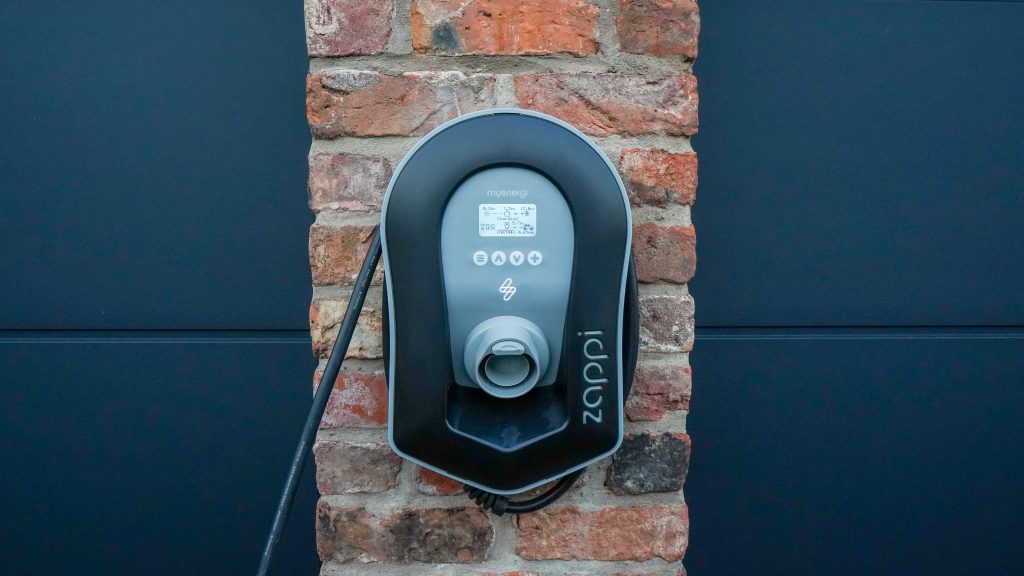
If driving is unavoidable, there are still ways to lessen your impact. Consider an electric or hybrid vehicle for your next purchase. Practising eco-driving techniques – smooth acceleration, anticipating traffic, and maintaining steady speeds – can improve fuel efficiency. Keep tyres properly inflated, as this makes a difference.
Rethinking Air Travel
Air travel has a particularly high carbon footprint. For long-haul trips, consider if it’s truly necessary. If you do fly, seek out airlines that offer carbon offsetting programmes (though these have their limitations) or look for direct flights, which are generally more efficient. Explore staycations or train journeys for holidays closer to home.
For those interested in enhancing their eco-friendly lifestyle, exploring sustainable urban spaces can be incredibly beneficial. A great resource on this topic is an article that delves into the advantages of green roofing design, which not only improves air quality but also contributes to biodiversity in urban areas. You can read more about this innovative approach to urban living in the article here. Embracing such practices can lead to a healthier environment and a more sustainable future for all.
Connecting with Nature and Community Involvement
“`html
| Category | Metric |
|---|---|
| Energy | Renewable energy usage |
| Transport | Public transport usage |
| Waste | Recycling rate |
| Water | Water conservation measures |
| Food | Organic food consumption |
“`
Living an eco-lifestyle isn’t just about reducing harm; it’s also about fostering a deeper connection with the natural world and engaging with your community.
Growing Your Own
Gardening, even a small window box, offers numerous benefits. It connects you to nature, reduces food miles, and provides fresh produce. Composting your food waste for your garden completes the cycle, turning waste into nutrient-rich soil. Joining a local allotment scheme is a fantastic way to expand your gardening efforts and connect with like-minded people.
Supporting Local Initiatives
Look for local environmental groups or community gardens in your area. Volunteering, even for a few hours, can contribute to larger conservation efforts and introduce you to new ways of thinking about sustainability. Supporting local businesses that prioritise eco-friendly practices also strengthens the green economy in your community.
Advocating for Change
Beyond personal actions, speak up for environmental protection. Write to your local MP, join campaigns, or simply discuss eco-issues with friends and family. Collective action is powerful, and every voice contributes to a broader shift towards a sustainable future. Sharing your own journey and lessons learned can inspire others.
The Journey, Not the Destination
Embracing a living eco lifestyle is an ongoing process of learning, adaptation, and improvement. Don’t feel overwhelmed by the sheer scale of the environmental challenges we face. Every small step counts, and consistency is more important than perfection. Start with changes that feel manageable and build from there. Enjoy the journey of discovering new ways to live more harmoniously with our beautiful planet.