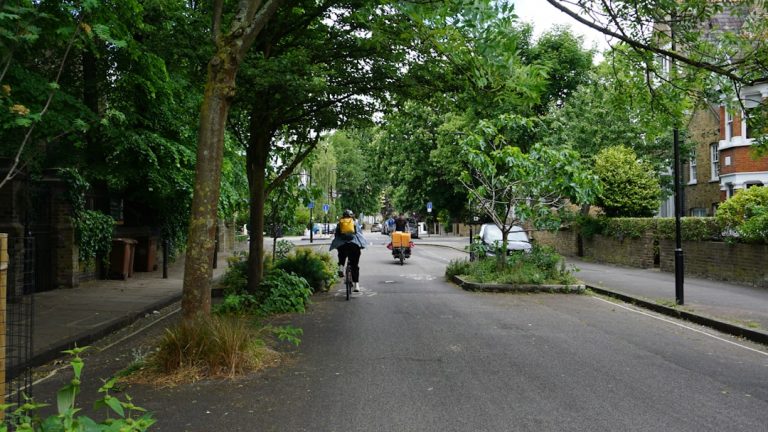
So, you’re curious about embracing sustainable living in an eco-village, eh? In a nutshell, it’s about intentionally creating a life that harmonises with the environment and fostering a strong, supportive community. It’s not just about recycling and growing your own spuds, though those are certainly part of it. It’s a holistic approach to living, designed to minimise your ecological footprint and maximise well-being. Think energy efficiency, local food, shared resources, and a deep connection to your neighbours and the land around you.
Eco-villages aren’t a new-fangled idea; communities built around sustainable principles have existed for centuries. What we call eco-villages today are often intentional communities specifically designed with ecological and social sustainability at their core. They’re a response to the environmental and social challenges of modern life, offering an alternative model for how we can live collectively.
What Defines an Eco-Village?
At its heart, an eco-village is a human-scale, full-featured settlement in which human activities are harmlessly integrated into the natural world, in a way that is supportive of healthy human development, and can be successfully continued for the indefinite future. Essentially, it’s a place where people actively work to live within the earth’s carrying capacity. This often means a focus on renewable energy, organic food production, water conservation, and waste reduction.
More Than Just Green Buildings
While sustainable architecture and eco-friendly infrastructure are certainly important, an eco-village is much more than just a collection of green buildings. It’s also about the social fabric, the economic models, and the spiritual connection to the place. The people are the living, breathing heart of the village, and their commitment to shared values is what truly makes it tick. Without a strong community, the most perfectly designed eco-houses won’t achieve the overall vision.
Living in an eco village offers a unique opportunity to embrace sustainable living while fostering a strong sense of community. For those interested in exploring the benefits and challenges of such a lifestyle, a related article can provide valuable insights. You can read more about the principles of eco-friendly living and how they can be integrated into everyday life by visiting this link. This resource delves into various aspects of eco villages, highlighting their potential to create harmonious living environments that prioritise both ecological balance and social connection.
Practical Steps to Sustainable Living
Alright, let’s get down to brass tacks. What does sustainable living look like in an eco-village setting? It’s a mix of individual effort and collective action, always with an eye on reducing impact and enhancing resilience.
Energy Independence and Efficiency
One of the big hitters in sustainable living is how you power your life. Eco-villages often strive for a high degree of energy independence, moving away from fossil fuels.
Renewable Energy Systems
You’ll find a lot of solar panels, both for electricity (photovoltaic) and water heating, gracing eco-village rooftops. Wind turbines might feature too, depending on the local climate and resources. The goal is to generate as much, if not all, of the community’s energy needs on-site. This significantly reduces carbon emissions and reliance on external grids.
Smart Energy Use
It’s not just about generating clean energy; it’s also about using it wisely. Eco-villages often incorporate passive solar design into their buildings, orienting them to maximise natural light and warmth, and minimise the need for artificial heating and cooling. Insulation is paramount, and residents are generally quite mindful of their energy consumption, using energy-efficient appliances and adopting habits that conserve power.
Food Security and Local Production
Food is fundamental, and eco-villages place a huge emphasis on knowing where their food comes from, and often, growing it themselves.
Permaculture and Organic Farming
Forget monocultures and chemical sprays. Eco-villages are typically buzzing with permaculture principles – designing agricultural ecosystems that are sustainable and self-sufficient. This means growing a diverse range of organic crops, often using techniques like companion planting, no-dig beds, and composting to enrich the soil naturally. It’s about working with nature, not against it.
Shared Gardens and Food Forests
Many eco-villages feature extensive communal gardens, where residents collectively grow fruit, vegetables, and herbs. Food forests, designed to mimic natural woodland ecosystems, are also popular, providing a continuous harvest of nuts, fruits, and berries with minimal input. This not only provides fresh, healthy food but also fosters a sense of shared responsibility and community.
Water Management and Conservation
Water is a precious resource, and eco-villages are typically on the front line of innovative water management.
Rainwater Harvesting
Collecting rainwater from roofs and other surfaces is a common practice. This water can be used for irrigation, flushing toilets, and even for drinking after appropriate filtration. This reduces reliance on mains water and helps replenish local aquifers.
Greywater Recycling
Instead of sending all used household water down the drain and into the sewage system, many eco-villages implement greywater systems. Water from showers, baths, and sinks (but not toilets) is collected, filtered, and then reused for irrigation, effectively getting a second life. This significantly reduces water consumption.
Community and Social Structure

Living sustainably isn’t just about environmental practices; it’s deeply intertwined with the social fabric of the community. In an eco-village, community isn’t just a buzzword; it’s the beating heart of the project.
Collaborative Decision-Making
Most eco-villages operate on principles of consensus or sociocratic decision-making. This means that important decisions are made together, with everyone having a voice and the opportunity to contribute. It can be slower than top-down approaches, but it fosters a strong sense of ownership and commitment among residents.
Skill Sharing and Mutual Support
One of the beautiful things about eco-villages is the culture of skill sharing. Someone might be a seasoned builder, another a brilliant gardener, and a third a whiz with solar panels. Residents often teach each other, leading to a rich exchange of knowledge and a strong support network. Need a hand with a project? Chances are, a neighbour is happy to help, and you’ll likely offer your own skills in return.
Collective Ownership and Shared Responsibilities
Eco-villages often involve collective ownership of land, infrastructure, or certain assets like tools or vehicles. This pooling of resources not only makes things more affordable but also encourages a sense of shared responsibility. Everyone has a part to play in maintaining and developing the village, whether it’s tending the communal gardens, maintaining the renewable energy systems, or organising social events.
Embracing Simplicity and Well-being
Sustainable living often goes hand-in-hand with a move towards a simpler lifestyle, one that prioritises well-being over material accumulation.
Reducing Consumption
In an eco-village, there’s often less emphasis on keeping up with the latest consumer trends. Instead, the focus shifts to repairing, reusing, and sharing. This naturally reduces material consumption and waste, and often, the financial burden that comes with it. It’s about valuing experiences and relationships over possessions.
Connection to Nature and Each Other
Living in close proximity to nature and with a strong, supportive community can have profound benefits for mental and physical well-being. There’s often a greater sense of purpose, reduced stress, and more opportunities for outdoor activity and social connection. It’s a chance to step off the hamster wheel of modern life and reconnect with what truly matters.
Challenges and Considerations
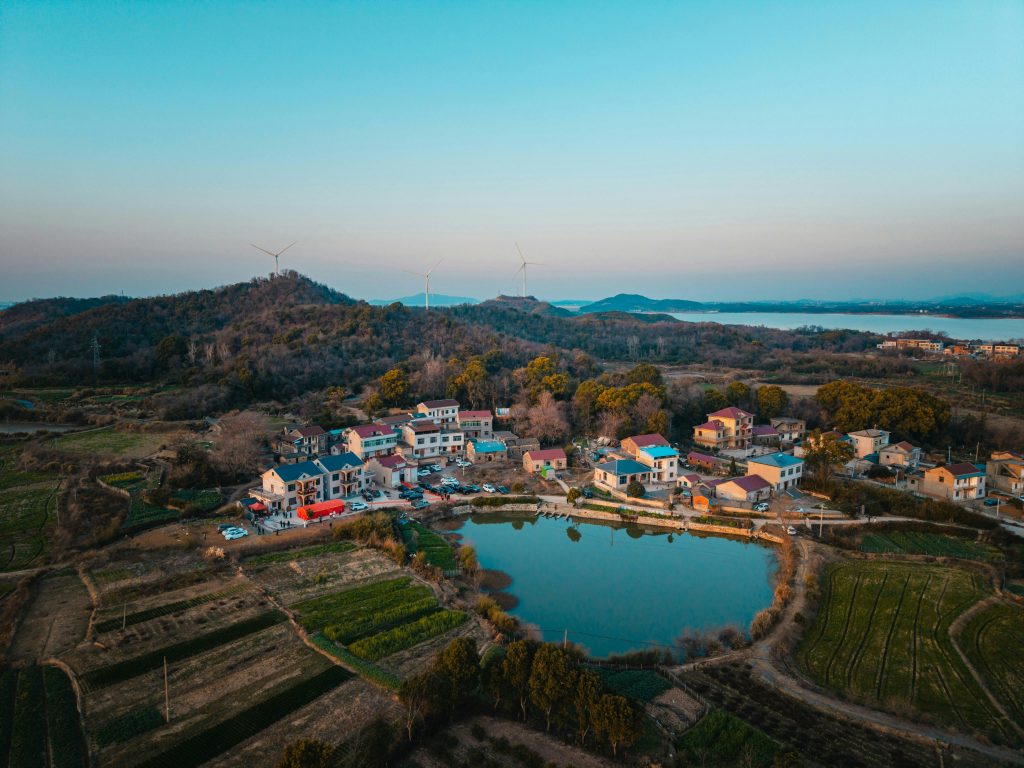
It’s not all idyllic sunsets and homegrown kale, though. Embracing sustainable living in an eco-village also comes with its own set of challenges that are worth considering before you dive in.
The Give and Take of Community Living
Communal living, while rewarding, isn’t always easy. Living in close quarters and making decisions by consensus can require a lot of patience, open communication, and a willingness to compromise. You’ll encounter different personalities, different working styles, and different opinions. It’s a journey of continuous learning and adaptation.
Conflict Resolution
Where there are people, there will be disagreements. Eco-villages often have established processes for conflict resolution, focusing on mediation and restorative practices. Being able to navigate these situations constructively is a vital skill for living in such a community. It’s important to remember that the goal isn’t to avoid conflict entirely, but to resolve it in a way that respects everyone and strengthens the communitybond.
Financial Viability and Work
While eco-villages can significantly reduce living costs in many areas (like food and utilities), they are not necessarily free. There are often initial investments required for land, infrastructure, and ongoing community fees.
Earning a Living
Many eco-villages are in rural locations, so finding local employment can sometimes be a challenge. Some residents work remotely, others develop on-site businesses (like craft production, food processing, or eco-tourism), and some might commute to nearby towns. It’s important to think about how you will support yourself financially within this new lifestyle. Some eco-villages even foster their own internal economies, where residents exchange goods and services.
Living in an eco village offers a unique opportunity to embrace sustainable practices and foster a sense of community. Residents often share resources and knowledge, which can lead to innovative solutions for reducing energy consumption. For instance, many eco villages are increasingly adopting solar technologies to cut costs and minimise their environmental impact. A related article discusses how solar water heaters can significantly lower energy expenses, making them an excellent choice for those looking to enhance their eco-friendly lifestyle. You can read more about this in the article on cutting energy costs with solar water heaters.
Getting Started on Your Journey
| Aspect | Metric |
|---|---|
| Energy | Percentage of energy from renewable sources |
| Waste | Amount of waste recycled |
| Water | Water consumption per person |
| Transport | Percentage of residents using sustainable transport |
| Food | Percentage of food grown locally |
So, if all this sounds appealing, how do you even begin to explore embracing sustainable living in an eco-village?
Research and Visitation
The first step is always research. There are numerous eco-villages around the UK and internationally, each with its unique character, values, and focus. Websites like the Global Ecovillage Network (GEN) can be a great starting point. Once you’ve narrowed down a few that pique your interest, try to visit them. Many eco-villages offer open days, workshops, or even short-term stays, allowing you to experience the life firsthand before making any big commitments.
Be Realistic and Prepared
It’s important to approach this with realistic expectations. Sustainable living in an eco-village is a significant lifestyle change. It often means learning new skills, adapting to new ways of doing things, and being deeply engaged with your community. It’s not a fantasy escape, but a conscious choice to live differently, with all the joys and challenges that come with it. Think about your own skills, what you’re willing to learn, and how well you thrive in a communal environment.
Contribute and Engage
If you do decide to take the plunge and join an eco-village, be prepared to contribute. These communities thrive on the active participation of their members. Whether it’s helping in the garden, volunteering for a project, or simply participating in community discussions, your engagement is what makes the village vibrant and successful. It’s not just about receiving; it’s very much about giving.
Embracing sustainable living in an eco-village is a profound journey, one that offers a powerful antidote to many of the pressures of modern life. It’s about building a better future, one house, one garden, and one conscious conversation at a time. It’s about proving that a life in harmony with the planet, and with each other, is not only possible but incredibly enriching.