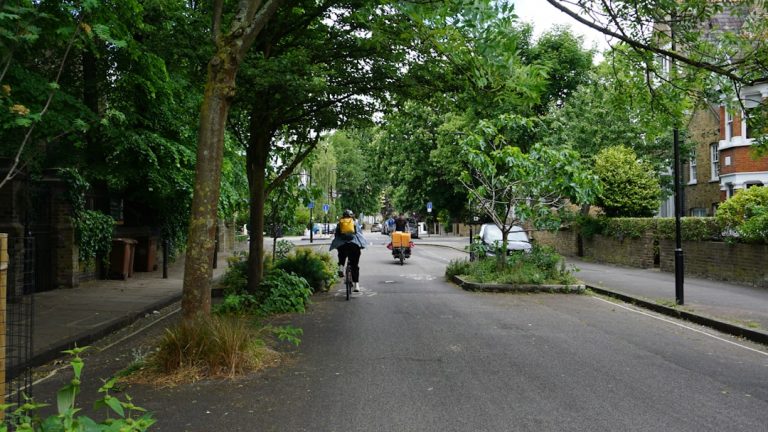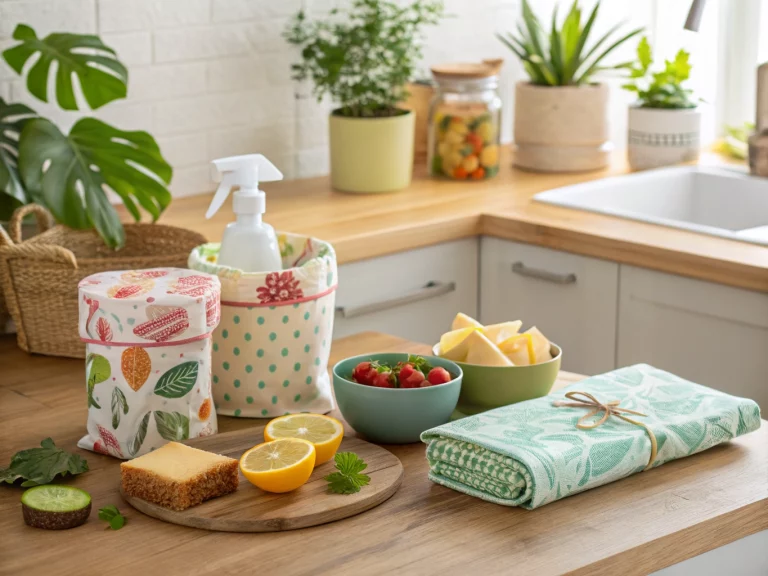
So, you’re curious about making your life a bit kinder to the planet, right here in the UK? It’s totally doable, and honestly, it doesn’t have to be a massive overhaul. Embracing eco-friendly living in the UK is more about making conscious choices, often smaller ones than you’d think, that add up over time. It’s about finding practical ways to reduce your footprint, from what you buy to how you power your home, all while enjoying life.
Let’s be honest, the idea of “going green” can feel a bit overwhelming. Where do you even begin? The good news is, you don’t need to do everything at once. Think of it as a journey, and these are just a few friendly nudges to get you moving.
Reducing Your Waste: It’s Not Just About Recycling
This is probably the most common starting point, and for good reason. The less we throw away, the better.
The Power of the Reusable
This is a no-brainer, really. Carrying a reusable shopping bag, a water bottle, and a coffee cup can drastically cut down on single-use plastic and paper. It might take a week or two to get into the habit, but soon it’ll be second nature.
On the Go
Keep a few tote bags in your car or by the front door. A collapsible water bottle can be a lifesaver for those long commutes or impromptu walks in the park. And that travel mug? Your local coffee shop will probably even give you a discount for using it.
At Home
Think about food waste. Planning your meals a little better can save you money and stop perfectly good food from ending up in the bin. Investing in some decent food storage containers can help here, and exploring options like composting, even if it’s just a small wormery on your balcony, can be surprisingly effective.
Understanding Your Council’s Recycling Scheme
Every local authority in the UK has slightly different rules about what can and can’t be recycled. It’s worth having a quick look at your council’s website to make sure you’re not contaminating your recycling bin with things that can’t be processed. Things like plastic film, certain types of packaging, and even some cartons can cause problems.
The “Wish-Cycling” Trap
We’ve all done it – chucking something in the recycling bin hoping it’ll get sorted. Unfortunately, this can sometimes do more harm than good. When in doubt, it’s often better to pop it in the general waste to avoid spoiling a whole batch of recyclables.
Embracing Second-Hand and Swapping
The UK has a thriving second-hand market. From charity shops to online marketplaces, there are countless opportunities to find pre-loved items.
Clothes
Charity shops are fantastic for finding unique clothes at bargain prices. Online platforms like Vinted and Depop are also great for selling on things you no longer wear and picking up stylish pre-owned pieces.
Furniture and Homeware
Need a new sofa or a quirky lamp? Check out Gumtree, Facebook Marketplace, or local furniture reuse charities. You can often find high-quality items for a fraction of the cost of buying new, and it prevents them from ending up in landfill.
For those looking to embrace eco-friendly living, a great resource is the article on composting, which provides essential tips for turning waste into valuable compost. This practice not only reduces landfill waste but also enriches your garden soil, promoting healthier plant growth. To learn more about how you can transform your waste into gold for a greener tomorrow, visit the article here: Transform Your Waste into Gold: Essential Composting Tips for a Greener Tomorrow.
Greening Your Home: Energy and Utilities
Your home is where you spend a lot of your time, so making it more eco-friendly can have a significant impact. This isn’t always about hefty renovations; simple changes can make a difference.
Reducing Energy Consumption
Using less energy means a smaller carbon footprint and, importantly, lower bills.
Heating and Insulation: Keeping Warm Efficiently
A well-insulated home is key to keeping it warm in winter and cool in summer without overworking your heating system.
Draft-Proofing
This is a classic for a reason. Investing in draft excluders for doors and windows is a cheap and effective way to stop heat escaping. You can even buy DIY kits to seal around pipes and letterboxes.
Loft and Wall Insulation
While this can be a bigger investment, properly insulating your loft and walls is one of the most effective ways to improve your home’s energy efficiency. Look into government grants or schemes that might be available to help with the cost.
Smart Ways to Use Electricity
Modern appliances are generally more efficient, but how you use them matters too.
Switching Off Standby
Those little red lights on your TV, microwave, or games console are still drawing power when they’re off. Unplugging them or using smart plugs that can control multiple devices can make a noticeable difference.
Efficient Appliance Use
Run your washing machine and dishwasher only when they’re full. If you have an older boiler, consider getting it serviced regularly or looking into upgrading to a more efficient model.
Water Conservation
We often take water for granted in the UK, but conserving it is a good habit to get into.
Simple Water-Saving Tips
Taking shorter showers, fixing leaky taps promptly, and only running the washing machine or dishwasher with a full load are easy wins.
Low-Flow Devices
You can also consider installing low-flow showerheads and tap aerators. These devices reduce the amount of water used without a noticeable difference in pressure, saving water and energy used to heat it.
Rainwater Harvesting
If you have a garden, setting up a water butt to collect rainwater for watering plants can be a simple and effective way to reduce your reliance on mains water.
Sustainable Food Choices: What You Eat Matters

The food we consume has a significant environmental impact, from how it’s grown and transported to how it’s packaged.
Eating More Seasonally
When food is in season locally, it generally requires less energy to grow and transport.
Seasonal Produce in the UK
You can find seasonal fruit and vegetable guides online or even at your local greengrocer. Eating seasonally encourages variety in your diet and supports local farmers.
The Farmers’ Market Advantage
Visiting your local farmers’ market is a brilliant way to buy in-season produce directly from the people who grow it. You can often have conversations about how it’s produced and build a relationship with your suppliers.
Reducing Meat and Dairy Consumption
Livestock farming, particularly for beef and lamb, has a high environmental footprint due to land use, greenhouse gas emissions, and water consumption.
The Rise of Plant-Based Eating
You don’t have to go fully vegan overnight if that’s not for you. Even introducing a few more plant-based meals into your week can make a difference.
Meat-Free Mondays and Beyond
Try making Mondays a “meat-free” day. Experiment with delicious vegetarian and vegan recipes – there’s a huge amount of inspiration available online and in cookbooks. Lentils, beans, and tofu are versatile and affordable protein sources.
Dairy Alternatives
There are now excellent plant-based alternatives for milk, cheese, and yogurt made from oats, almonds, soy, and more. Many people find they’re just as tasty, if not more so, than their dairy counterparts.
Mindful Packaging and Local Sourcing
Think about where your food comes from and how it’s packaged.
Avoiding Unnecessary Packaging
Opt for loose produce where possible. Buy from bulk bins if your local shops offer them.
Supporting Local Producers
Buying from local farms and producers not only reduces food miles but also supports the local economy and often means fresher, tastier food.
Eco-Friendly Transportation: Getting Around Greener

How we travel has a big impact on air quality and carbon emissions. Fortunately, there are increasingly accessible alternatives.
Embracing Public Transport
The UK has a relatively good public transport network in many areas.
Trains and Buses
For longer journeys, trains are generally a more eco-friendly option than planes or cars, especially if they are electrified. For shorter commutes, consider if a bus or tram route is feasible.
Planning Your Journey
Apps like National Rail Enquiries or your local bus company’s app can help you plan routes, check times, and even buy tickets.
Cycling and Walking: The Ultimate Eco-Friendly Options
These are not only the greenest ways to travel but also fantastic for your health.
Local Journeys Made Easy
For shorter distances, consider cycling or walking. It’s a great way to explore your local area, get some exercise, and avoid traffic jams.
Investing in Safety
Ensure you have good quality lights, a reliable lock, and appropriate safety gear if you’re cycling. For walkers, comfortable shoes are a must.
Electric and Hybrid Vehicles
If a car is essential for your lifestyle, looking at electric or hybrid options is a significant step in the right direction.
The Growing Charging Infrastructure
The UK’s electric vehicle charging network is expanding, making it more practical than ever to own an EV.
Government Incentives
Keep an eye out for any government grants or tax incentives that might be available for purchasing electric or plug-in hybrid vehicles.
For those interested in enhancing their eco-friendly lifestyle, a great resource is the article on how to maximise energy efficiency with attic insulation. This piece provides valuable insights into reducing energy consumption and improving home comfort, making it a perfect complement to your sustainable living journey. You can read more about it here.
Beyond the Basics: Deeper Dives into Sustainable Living
| Metrics | Data |
|---|---|
| Household Recycling Rate | 50% |
| Energy Consumption | 20 kWh per day |
| Water Usage | 100 litres per person per day |
| Carbon Footprint | 5 tonnes per year |
Once you’ve got the basics down, you might find yourself wanting to explore more involved aspects of eco-friendly living.
Ethical and Sustainable Shopping Habits
This extends beyond food and encompasses clothes, electronics, and household goods.
Researching Brands
Take a moment to look into the ethical and environmental policies of the brands you buy from. Are they committed to fair labour practices? Do they use sustainable materials?
Looking for Certifications
Keep an eye out for certifications like Fairtrade, B Corp, or the Carbon Trust Standard, which can indicate a company’s commitment to sustainability.
Reducing Your Digital Footprint
Even our online activities have an environmental impact, largely due to the energy used by data centres.
Mindful Online Habits
While it’s hard to eliminate entirely, being mindful of how much data you’re streaming, unsubscribing from unnecessary emails, and deleting old large files can contribute.
Choosing Greener Tech Providers
Some tech companies are more committed to renewable energy for their data centres than others. Doing a bit of research can help you make more informed choices.
Engaging with Your Community
Small individual actions are powerful, but collective action can be even more so.
Local Environmental Groups
Look for local groups focused on environmental issues. They might be organising litter picks, planting trees, or campaigning for local green initiatives. Getting involved can be rewarding and educational.
Supporting Local Initiatives
Support local businesses that are making an effort to be more sustainable. Your custom can encourage them to continue and expand their eco-friendly practices.
Continuous Learning and Adaptation
The world of sustainability is always evolving. What’s considered best practice today might be superseded by new innovations tomorrow.
Staying Informed
Follow reputable environmental organisations, read articles, and watch documentaries to keep your knowledge up-to-date.
Being Flexible
Don’t be afraid to adapt your habits as you learn more or as new, more sustainable options become available. It’s about progress, not perfection.
Embracing eco-friendly living in the UK is a journey of conscious choices. It’s about finding what works for you, your lifestyle, and your budget. Every small step you take contributes to a larger positive change, and that’s something to be genuinely proud of. It doesn’t require a radical lifestyle upheaval; it’s more about making small, consistent adjustments that align with a more sustainable way of living.